
NASCAR’s Push Toward Sustainability Initiatives
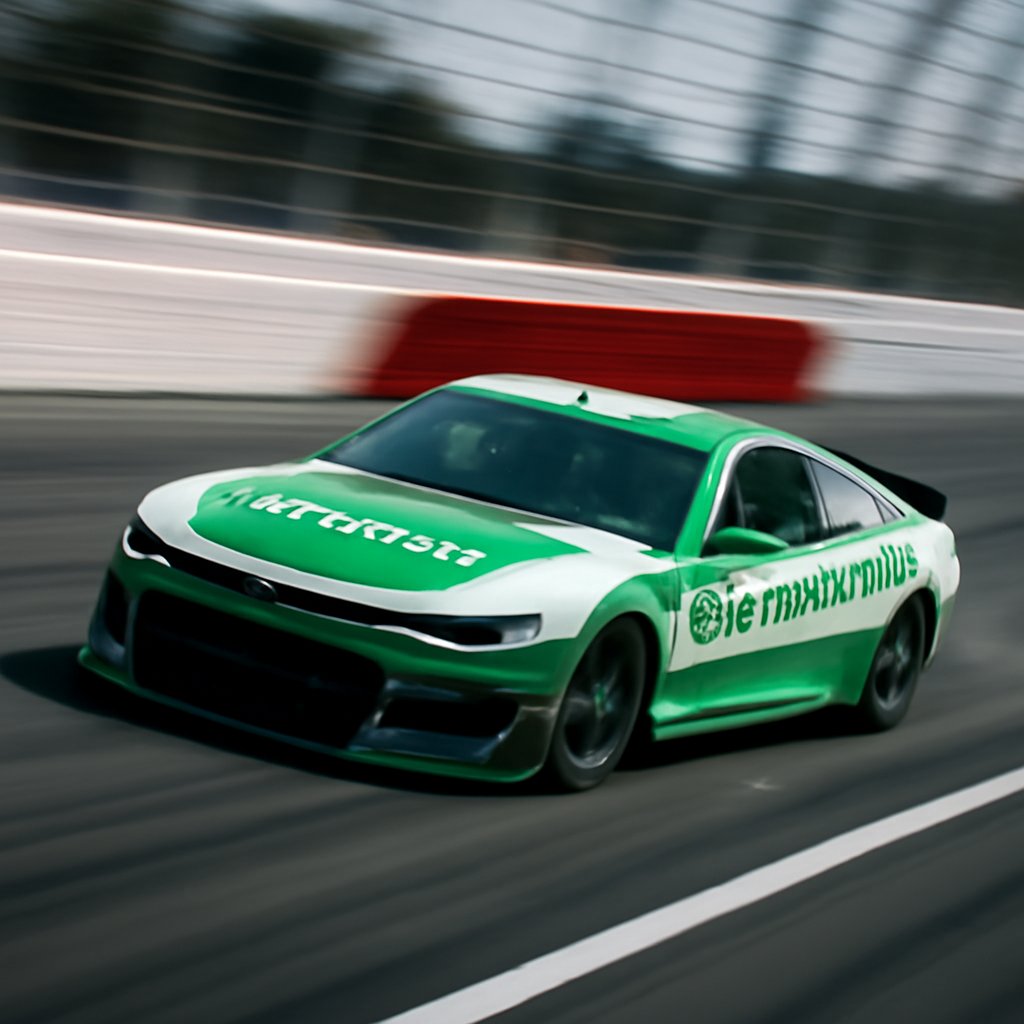
Growing up in Charlotte, NASCAR wasn’t a hobby — it was life, and my grandfather watched this track get built back when the sport was all about raw power and roaring engines. Now we’re seeing that same fire meet a whole new push for sustainability, where the high-octane thrill of Cup Series racing lines up with real efforts to cut the carbon footprint without losing what makes Daytona, Talladega, and Charlotte Motor Speedway so special.
It all started picking up steam in the early 2000s when NASCAR switched to unleaded fuel across the series, ditching that old leaded gasoline for good. By 2008 the change was locked in, slashing lead emissions by over 90 percent at events and proving you could clean up the air without slowing down the show. Drivers like Jeff Gordon were out there championing it back then, showing how greener ways could still deliver the speed we all crave on tracks like Daytona International Speedway.
These days the Next Gen car is carrying that torch further with lighter materials that boost fuel efficiency by 15 percent in Cup races. My grandfather would shake his head in amazement at how they track emissions through race data now, and places like Talladega Superspeedway have solar panels humming away to power the whole operation on those big weekends. Over 75 percent of tracks run recycling programs that keep tons of waste out of landfills every year, and at the Daytona 500 fans pitch in with zero-waste setups using reusable containers and composting stations.
Drivers like Kyle Busch and Chase Elliott are leading the charge too, turning heads with awareness campaigns that get sponsors on board for eco-innovations. Race results prove these moves don’t cost us any of the edge — teams are still tuning for maximum performance while watching fuel use in real time. At Charlotte Motor Speedway, LED lighting cuts energy use big time, and Kansas Speedway recycles water for track work, all adding up to a 30 percent drop in overall emissions since 2010 levels.
The commitment extends beyond individual tracks. NASCAR’s sustainability roadmap includes concrete goals for reducing carbon emissions across the entire ecosystem, from race operations to fan travel. The sanctioning body has partnered with environmental organizations to establish baseline measurements and accountability standards that keep teams and venues honest about their progress. These partnerships have been crucial in identifying areas where even small changes can yield significant environmental benefits when multiplied across multiple events throughout the season.
One often-overlooked aspect of NASCAR’s sustainability push involves supply chain optimization. Teams and tracks are working with suppliers to reduce packaging waste, source materials more responsibly, and minimize transportation emissions. Some top-tier teams have begun calculating the carbon footprint of their entire operation, from manufacturing parts in their shops to transporting equipment between races. This holistic approach means that sustainability isn’t just about what happens on race weekend — it’s embedded in how the sport operates year-round.
Fan engagement has become absolutely critical to making these initiatives stick. NASCAR realized early on that sustainability goals feel hollow if the passionate fan base doesn’t understand or support them. That’s why many tracks now feature education zones during race weekends where fans learn about the environmental benefits of specific practices. At major events, you’ll find volunteers explaining why composting matters, how solar energy works, and what individual fans can do to reduce their own carbon footprint. This grassroots education approach has transformed what could have been corporate-sounding environmental messaging into something fans genuinely care about.
The Craftsman Truck Series and Xfinity Series have become laboratories for testing new sustainability technologies. These lower-tier series allow NASCAR to experiment with alternative fuel sources and engine modifications without the massive financial investment required in the Cup Series. Some tracks have already hosted exhibition races using hybrid technology, and the data collected from these events feeds directly into decisions about future Cup Series regulations. It’s a smart approach that balances innovation with the competitive integrity fans demand.
Looking ahead, hybrid powertrains and even electric tests for lower series are on the horizon, with exhibition events possibly seeing them by 2026. Water conservation at Talladega alone saves about 2 million gallons per major event, solar at Daytona covers multiple race weekends, and partnerships have already offset 20 percent of operational carbon at key spots. Driver-led workshops have pulled in over 500,000 fans since 2015, and track guides now point out native plant restorations and biodiversity work around the venues.
Sponsorship has played an unexpected role in accelerating NASCAR’s sustainability efforts. Major corporations are increasingly looking to align with brands that share their environmental values, which means sponsors are actually pushing NASCAR teams and tracks to go greener. This market-driven approach has proven remarkably effective — when a Fortune 500 company makes environmental performance part of its sponsorship agreement, things move quickly. Teams that once resisted sustainability measures now see them as competitive advantages in the sponsorship marketplace.
The economic angle shouldn’t be underestimated either. While initial investments in solar panels, LED lighting, and water recycling systems require significant upfront capital, the long-term savings are substantial. Tracks that have made these upgrades report lower operating costs and improved profitability within five to seven years. This financial reality has convinced even the most skeptical track owners that sustainability isn’t just the right thing to do — it’s good business.
Infrastructure improvements across the NASCAR ecosystem have created a domino effect of environmental benefits. When one major track installs solar panels and sees positive results, other tracks take notice. When Kansas Speedway demonstrates the effectiveness of water recycling, other venues begin exploring similar systems. This peer-to-peer learning has accelerated progress far beyond what NASCAR’s sustainability office could achieve through mandates alone.
The sport is also addressing the elephant in the room: the carbon footprint of fans traveling to races. While NASCAR can’t control fan travel directly, some tracks have begun partnering with local transit authorities to offer shuttle services from parking areas and nearby cities. These initiatives reduce overall emissions from each event and demonstrate that NASCAR is serious about reducing the sport’s total environmental impact, not just the obvious sources.
It’s a balancing act, sure, but one that keeps the soul of the sport alive. From Charlotte to Daytona to Talladega, these changes show NASCAR can still deliver that heart-pounding action while stepping up as a leader in responsible racing. The future of motorsports doesn’t have to sacrifice speed for sustainability — this is proof that the two can accelerate together.