
Jeff Gordon Legacy in Cup Series
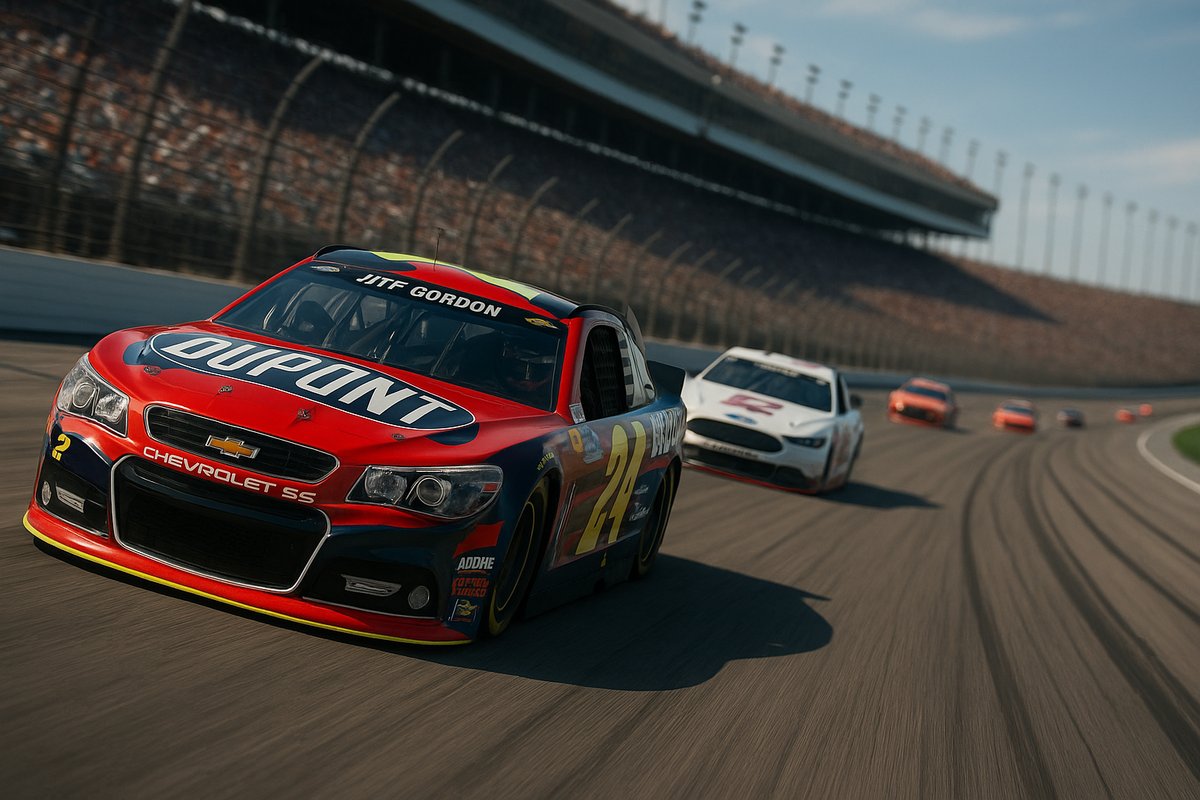
Jeff Gordon’s mark on the Cup Series remains one of the sport’s strongest case studies in how talent, preparation and marketability can reshape an entire business. As a four-time champion and Hendrick Motorsports cornerstone, he helped move stock-car racing from a regional draw into a national platform, pairing on-track precision with the kind of sponsor-friendly profile that opened new revenue streams from Daytona to Sonoma.
From the pit lane perspective, Gordon’s 1992 arrival after cleaning up in the lower series showed immediate poise. His Charlotte debut highlighted the calm that later became his signature, even as early mechanical issues tested the new Hendrick operation. What teams don’t tell fans is how quickly those setbacks turned into leverage; the 1994 Charlotte breakthrough not only delivered his first win but also signaled to sponsors that the No. 24 program was ready to deliver measurable returns.
The partnership with crew chief Ray Evernham proved especially valuable on the business side. Their shared focus on pit strategy and setup details gave Hendrick an edge in an era when small gains translated directly into television exposure and merchandising deals. By 1995 Gordon was stacking poles and victories, setting the stage for the first of four titles. The Evernham-Gordon combination became a blueprint for how driver-crew chief partnerships could elevate entire organizations, influencing how modern teams structure their technical leadership and communication protocols.
Between 1995 and 2001 he collected championships in 1995, 1997, 1998 and 2001, matching Dale Earnhardt’s total during one of the most competitive stretches in series history. The 1998 campaign, with its 13 victories, underscored how superior car control and tire management could stretch a sponsor’s investment across an entire season. At tracks like Indianapolis, his four Brickyard 400 wins combined raw speed with the disciplined line selection that teams still reference when mapping out fuel-mileage scenarios and late-race restarts.
What made Gordon’s championship seasons particularly noteworthy was his ability to excel across diverse track types. Whether running the high banks of Bristol, the road courses at Sonoma and Watkins Glen, or the flat-mile ovals like Richmond and Las Vegas, Gordon consistently adapted his driving technique to maximize tire grip and fuel efficiency. This versatility set him apart from many contemporaries and demonstrated that precision in setup and racecraft could overcome raw horsepower deficits—a lesson that carries into today’s more balanced technical regulations.
Gordon’s 1997 championship season deserves particular attention for its strategic innovation. Working with Evernham, the No. 24 team pioneered aggressive fuel-mileage strategies that other teams scrambled to implement mid-season. They proved that calculated risk-taking, combined with flawless execution under pressure, could deliver wins in tight circumstances. The 1997 Daytona 500 victory, achieved in dramatic fashion, exemplified how Gordon thrived when the spotlight intensified and margins narrowed to inches.
Beyond the numbers, Gordon’s crossover appeal shifted sponsor dynamics in real time. His measured victory-lane presence and straightforward media approach attracted demographics and corporate partners that had previously viewed NASCAR as a niche play. That influx of marketing dollars helped fund the series’ growth through the late 1990s boom. Unlike some drivers of his era, Gordon understood that television ratings and fan engagement directly translated to sponsor ROI, and he tailored his public appearances and social interactions accordingly.
The Hendrick Motorsports ecosystem benefited tremendously from Gordon’s championship success. His dominance helped attract top engineering talent, elevated the organization’s reputation with manufacturers and sponsors, and provided financial resources that allowed the team to invest in cutting-edge facilities and personnel development. Younger drivers coming through the Hendrick pipeline—from Dale Earnhardt Jr. to Jimmie Johnson to Chase Elliott—inherited a winning culture and technical infrastructure directly built on Gordon’s foundation.
Gordon’s road-course proficiency remains underappreciated in casual discussions of his legacy. His mastery of layouts like Watkins Glen and Sonoma—where he collected multiple victories—proved that stock-car racers could compete at the highest level across multiple disciplines. In an era when many drivers were pigeon-holed as specialists, Gordon’s adaptability across track types demonstrated the value of versatile racecraft. This skill set became increasingly important as NASCAR expanded its schedule to include road-course events, and his techniques continue to inform how contemporary drivers prepare for challenging layouts.
After stepping away from full-time driving, Gordon moved into the Fox Sports booth, where his analysis continues to shape how teams communicate strategy to a broader audience. His commentary stands out for technical depth without sacrificing accessibility—he explains tire degradation, fuel strategy and aerodynamic implications in language that casual viewers can grasp while satisfying hardcore fans’ appetite for insider perspective. This broadcasting work has extended his influence well beyond his driving years, allowing him to mentor a new generation of drivers through media commentary that decodes what separates winning and losing performances.
Inside Hendrick he also took on a mentorship role, emphasizing the mental and racecraft elements younger drivers need to protect long-term sponsor relationships. Gordon’s approach to driver development focuses on the unglamorous aspects of professional racing: setup feedback precision, data analysis, pit-crew communication and media training. He conveys to emerging talents that championships require mastery across all these domains, not just speed.
Today’s competitors still pull data from Gordon’s 93 career victories—third on the all-time list—along with his 81 poles, 325 top-five finishes in 805 starts and status as the first driver to eclipse $100 million in earnings. His three Daytona 500 wins, including the 1997 and 1999 editions, and the 2019 Hall of Fame induction serve as benchmarks. Even the record 13 wins credited to the 1998 season remain a reference point for teams calculating how consistency converts into both trophies and balance-sheet results. The statistical foundation Gordon built created a template for sustained excellence that modern championship contenders aspire to match.
Gordon’s foundation work with children’s health initiatives further illustrated how Cup Series visibility can be leveraged for community impact, an approach many modern programs now treat as part of their overall business strategy. The emphasis he placed on aerodynamics, chassis balance and road-course lines continues to inform Next Gen development and track-prep routines at venues like Watkins Glen. His technical contributions during the Next Gen car development process demonstrated that retired drivers can remain valuable to the sport through institutional knowledge and advisory roles.
The influence Gordon exerted on sponsor activation and driver marketability cannot be overstated. He pioneered sophisticated approaches to fan engagement, merchandise optimization and brand partnership that became industry standard. Teams now employ analytics and social-media strategies that trace their origins directly to the methodologies Gordon and Hendrick Motorsports developed in the 1990s to maximize commercial return on championship success.
In short, the combination of speed, calculated risk and commercial awareness that defined Gordon’s career still sets the standard teams measure themselves against when building programs that must deliver on both the scoreboard and the sponsor ledger. His impact extends far beyond wins and championships—it encompasses how the sport structures itself, compensates its performers and communicates its value to corporate America and mainstream audiences.