
Kevin Harvick Retirement and Career Recap
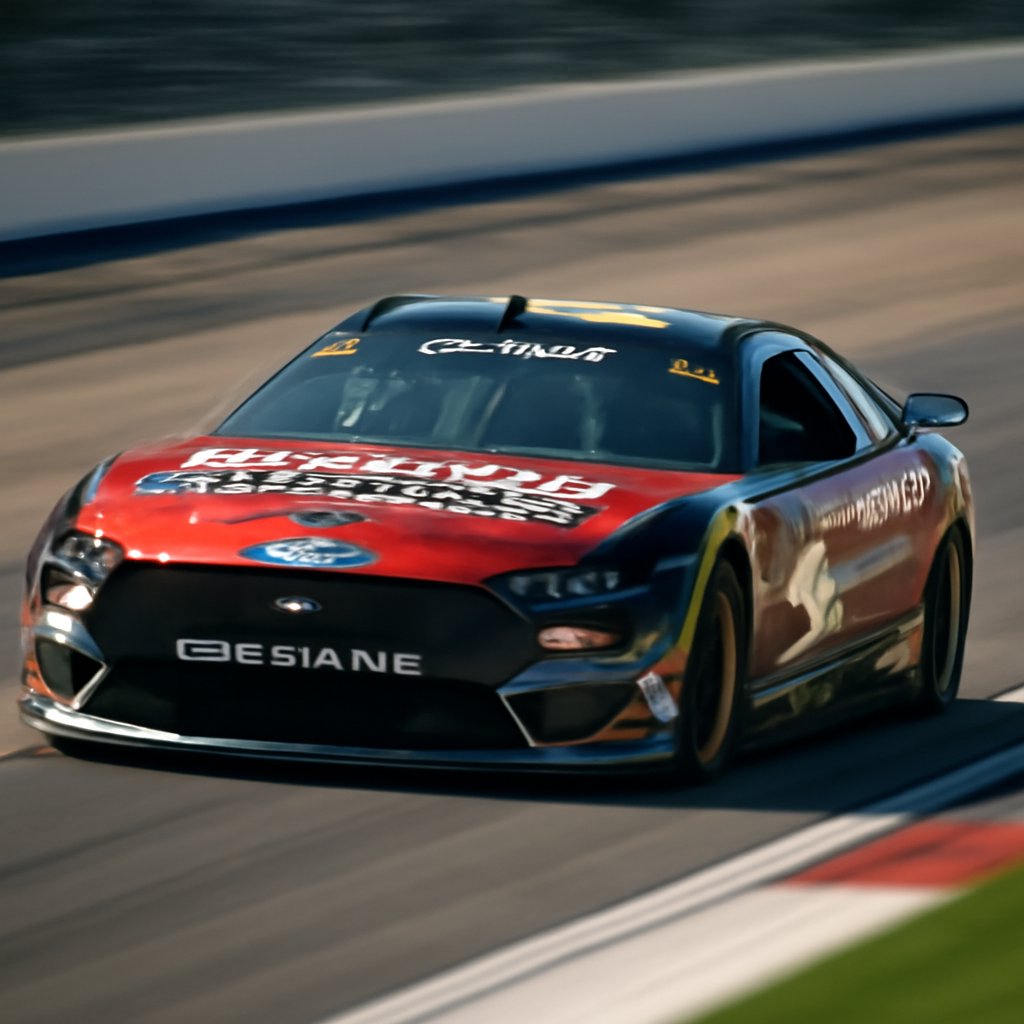
Kevin Harvick’s retirement at the end of the 2023 season wrapped up one of the longest and most rock-solid runs anybody’s seen in the NASCAR Cup Series. Growing up in Charlotte, NASCAR wasn’t a hobby — it was life, and my daddy and granddaddy used to say the same thing about drivers who stuck around through thick and thin the way Harvick did. He brought consistency, the kind of track versatility that could handle everything from road courses to the big superspeedways, and a knack for coming through when it mattered most across more than twenty years at the top level.
Harvick burst onto the Cup scene in 2001, sliding into that famous No. 3 Chevrolet for Richard Childress Racing right after Dale Earnhardt’s passing at the Daytona 500. My grandfather watched this track get built back in the day, and he always talked about how Harvick’s debut win in the Cracker Barrel 500 at Atlanta Motor Speedway showed he was ready for the big leagues right away. He made his mark quick as a road-course ace and short-track threat while figuring out those high-banked beasts like Daytona and Talladega.
Before that full-time Cup jump, Harvick had already claimed the 2000 NASCAR Busch Series title. Racing wheel-to-wheel with future stars like Jimmie Johnson and Matt Kenseth gave him the weekly grind he needed, and those early Cup top-fives set him up for a 23-season run that few have matched.
The high point came in 2014 when he grabbed the Cup championship with Stewart-Haas Racing. He scored five wins that year, including the Brickyard 400 at Indianapolis and the Southern 500 at Darlington. Folks around Charlotte still talk about how he shook off a rocky start to the Chase and closed strong at Homestead-Miami. In his prime, Harvick was all about smart strategy and setup work, owning intermediate tracks like Kansas and Texas on long runs, racking up wins at Phoenix, and holding his own at places like Watkins Glen.
His shift to Stewart-Haas in 2014 lit a fire after years at Childress without a title. Those battles with Kyle Busch and Brad Keselowski gave us plenty of on-track fireworks and some choice words off it. Extra wins followed in 2015 and 2016 at spots like Auto Club and Michigan, showing the championship wasn’t just luck. The 2015 season saw Harvick post six wins and finish third in points, cementing his status as a legitimate championship contender year in and year out.
One of the most underrated aspects of Harvick’s career was his dominance at Phoenix Raceway. Over his time competing in the Cup Series, he racked up more wins at the one-mile D-shaped track than perhaps any other driver. His ability to manage tire wear and execute late-race strategy at Phoenix became almost legendary among fans and competitors alike. The track seemed to suit his driving style perfectly, and his success there became a hallmark of his legacy as a versatile, intelligent racer.
Beyond his Cup wins, Harvick’s consistency in the Chase for the Cup demonstrated his ability to perform under pressure when it mattered most. He made the playoffs every single year from 2003 through 2023, a streak that speaks volumes about his reliability and skill. While he only captured the one championship, his repeated deep playoff runs showed he was always capable of mixing it with the best when races counted most.
Harvick’s partnership with crew chief Rodney Orr during his championship year proved transformative. Orr’s innovative setup work and Harvick’s ability to communicate precisely what the car needed created a dynamic that helped Stewart-Haas Racing establish itself as a top organization. The chemistry between driver and crew chief became a blueprint for success that the team continued to build upon in the years that followed.
By the later years, retirement chatter picked up as Harvick kept racing into his fifties in the No. 4 Ford. He stayed sharp with wins in 2020 and steady playoff runs through 2022. That 2023 farewell tour hit different, with special schemes nodding to his 2014 title and those early roots. The final season carried an emotional weight, with fans and competitors alike recognizing they were witnessing the end of an era. Harvick approached his final races with the same professionalism and focus that had defined his entire career, refusing to coast or take any lap for granted.
He stepped away for family and to leave while still competitive, then moved into the Fox Sports booth where his straight talk on strategy and what drivers are thinking has been a hit. His broadcasting voice brings an authenticity that viewers appreciate—he speaks from genuine experience and isn’t afraid to call out when teams make mistakes or when a driver’s decision-making was off. Harvick’s analysis focuses on the technical side of racing, the setups, tire strategy, and fuel mileage, areas where his decades of experience shine through.
Harvick’s ability to adapt his driving style across different eras of NASCAR proved to be one of his greatest strengths. When the sport shifted to the Gen-6 cars in 2013, many established veterans struggled with the new platforms. Harvick, however, quickly adjusted and thrived, showing the kind of learning capacity that kept him competitive throughout his entire tenure. Similarly, when the Next Gen cars arrived in 2022, he continued to perform at a high level despite the dramatic changes to aerodynamics and weight distribution.
Beyond the numbers, Harvick helped shape younger talent through advice and team ownership. His ownership stake in Harvick, Inc., gave him the opportunity to develop the next generation of NASCAR drivers. He provided mentorship and guidance to drivers coming through his organization, passing along the lessons learned over thousands of laps at hundreds of racetracks. Post-retirement he’s stayed tied to local racing and giving back in NASCAR towns, understanding that the sport saved him and gave him everything.
Throughout his career, Harvick was also known for his charitable work and community involvement. He supported numerous causes, particularly those related to children’s health and racing development programs in his native California and throughout NASCAR communities. His work with youth racing initiatives helped create pathways for the next generation of competitors to develop their skills.
Key facts from the run include the 2014 title, 58 Cup wins over those 23 seasons, multiple victories at Phoenix, Darlington, and Atlanta, that 2000 Busch championship, top-10 points finishes in 18 of 23 full seasons, more than 900 starts with over 200 top-fives, and hanging it up after the 2023 finale at Phoenix. His average finish over his career hovered around 12th, a number that underscores the level of consistency he maintained race after race, season after season.
In the end, Harvick bridged eras in this sport the way few have, from that emergency 2001 debut through the championship and those last laps in 2023. His steady hand and know-how keep showing up in the broadcast booth and with the next generation. Whether fans remember him primarily for that dream run in 2014, his Phoenix mastery, his versatility across all track types, or simply his remarkable durability and consistency, there’s no denying Kevin Harvick left an indelible mark on the NASCAR Cup Series and the sport as a whole.