
Kyle Larson Dirt Racing Background Profile
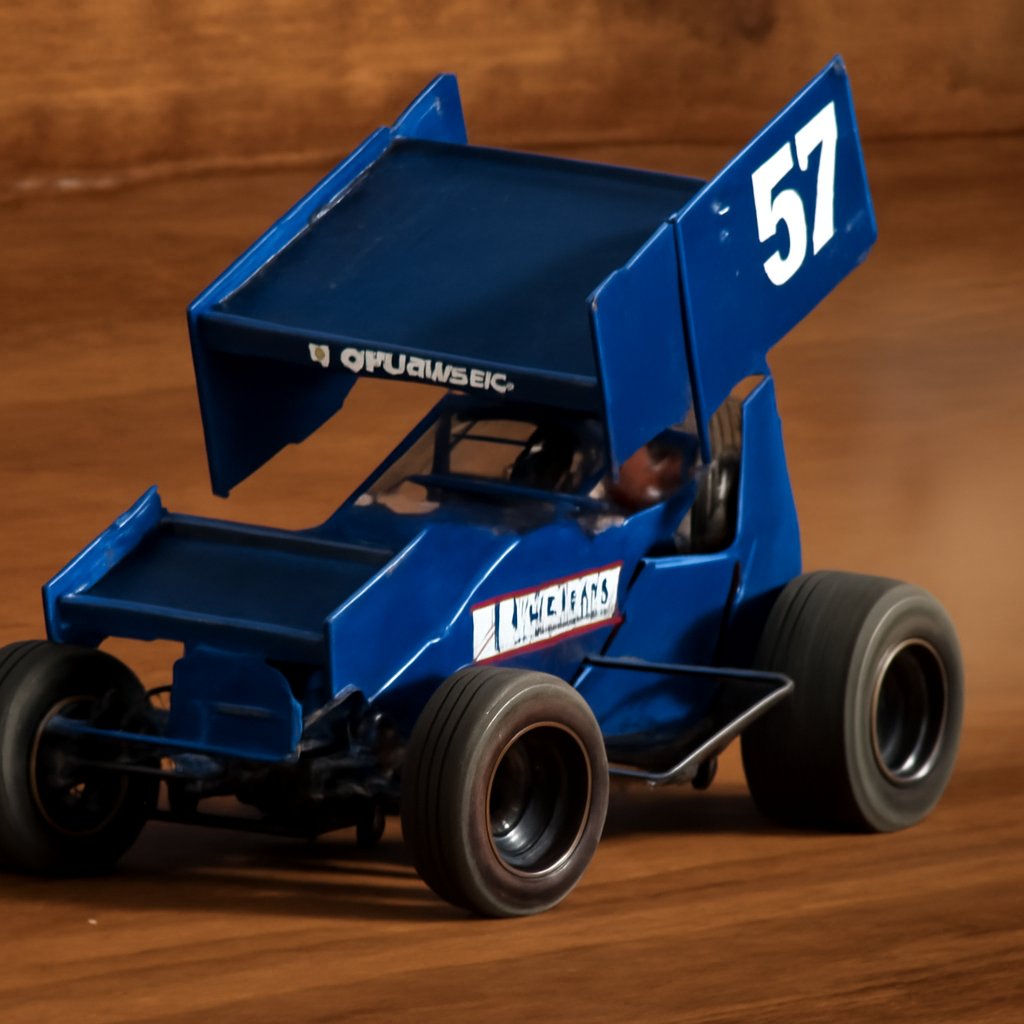
Growing up in Charlotte, NASCAR wasn’t a hobby — it was life, and that’s why Kyle Larson’s dirt racing roots speak to me like an old Talladega tale passed down from my granddaddy. From his humble start on California dirt tracks to becoming one of the Cup Series’ most aggressive talents with Hendrick Motorsports, those early days built the car control and throttle feel that still show up every time he slides a stock car through traffic at Daytona or holds the wheel wide open down the backstretch at Talladega. My grandfather watched tracks like this get built back in the day, and he’d tell you the same thing: dirt teaches you lessons pavement can’t.
Kyle first climbed into a go-kart at age seven on local California tracks before switching fully to dirt modifieds and sprint cars as a teenager. Places like Antioch Speedway and Placerville Speedway became his classroom, where he learned to dance on loose surfaces and manage tire wear the hard way. His family pitched in, with his dad prepping cars for weekend battles, the same kind of trackside support you still see around the shops outside Charlotte.
Those first wins came quick in the micro sprint division around 2006, followed by Rookie of the Year nods at several California tracks. By 2008 he was mixing it up with veterans and landing on podiums despite being one of the youngest in the field. That caught national eyes and opened doors to bigger stages.
Larson took that foundation national with the USAC and World of Outlaws. In 2011 he claimed the USAC National Midget Championship with ten feature victories, proving he could adapt to any short track from coast to coast. He added multiple wins and top-fives in the World of Outlaws NOS Energy Drink Sprint Car Series, racking up over fifty top-ten finishes during his peak dirt years. Venues like Eldora Speedway and Knoxville Raceway became regular battlegrounds where he traded paint with the best, learning high-banked ovals the same way Southern boys cut their teeth at places that echo Talladega’s banking.
The 2011 USAC Midget Championship season was particularly significant for Larson’s development. Racing against seasoned dirt veterans and coming out on top demonstrated that his skill set translated across different car types and track configurations. This wasn’t beginner’s luck—it was the result of thousands of hours learning how to read dirt surfaces, manage fuel consumption, and position himself strategically in traffic. The midget cars, with their lightweight frames and high horsepower-to-weight ratios, required precision steering inputs and split-second throttle management. These are the exact same skills that would later allow Larson to make daring passes and recover from loose-handling stock cars in the NASCAR Cup Series.
His success in the World of Outlaws Sprint Car Series elevated his profile even further within racing circles. Sprint cars are considered by many to be the most difficult vehicles to drive in motorsports—they’re powerful, squirrelly, and demand fearless commitment on high-banked dirt ovals. Larson’s willingness to throw these cars into corners with confidence, combined with his calculated aggression, made him stand out among a field of competitors who had been racing sprint cars their entire lives. His performances at tracks like Knoxville, with its steep banking and demanding surface, proved he had the mental fortitude and car control to compete at the highest levels of dirt racing.
That dirt schooling carried straight into NASCAR when he moved over in 2012. The sliding techniques and loose-car feel he mastered on dirt helped him recover from moments that would send others spinning in the Xfinity Series and later the Cup Series. Even now, full-time with Hendrick, he still heads back to dirt in the offseason, picking up multiple Chili Bowl Nationals wins that keep that edge razor sharp.
The Chili Bowl Nationals, held annually in Tulsa, Oklahoma, represents one of the most prestigious dirt racing events in America. It’s where drivers from all disciplines—sprint car, midget, and even open-wheel professionals—gather to compete in a format that strips away sponsorship advantages and levels the playing field. Larson’s multiple victories at this event are significant because they validate his status as a legitimate dirt racing talent, not just a stock car driver dabbling in dirt racing. The competition level at the Chili Bowl rivals anything you’ll find in professional motorsports, and winning there means you’re among the elite.
Standout moments like his 2014 Knoxville Nationals victory and steady top finishes at the Gold Cup Race of Champions cemented his reputation as a dirt phenom before he committed fully to stock cars. The 2014 Knoxville Nationals win was particularly impressive because Knoxville Raceway is widely considered one of the most challenging tracks in America. The high banking, variable surface conditions, and aggressive driving style required to succeed there make victories memorable. Larson’s ability to navigate these conditions while competing against some of the sport’s most experienced dirt racers demonstrated that his skillset extended beyond California tracks.
He started racing at age seven in go-karts, moved to dirt sprint cars at thirteen, holds track records at California ovals from those early years, and has more than 150 dirt feature wins across midget, sprint, and modified divisions. These aren’t inflated statistics—150 feature wins represents genuine success across multiple racing disciplines over more than a decade of competition. For context, many professional dirt racers compile 50 to 75 career feature wins over their lifetime. Larson’s total is exceptionally high because he raced year-round, competed in multiple divisions, and consistently finished at the front of fields.
He made his NASCAR debut in 2013 after all that dominance and still races dirt events every year to stay ready for Cup. This commitment to dirt racing even after establishing himself as a NASCAR driver sets Larson apart from many of his peers. While some drivers view their racing roots as a stepping stone to be abandoned once they achieve success, Larson has maintained his connection to dirt racing. This decision keeps his skills sharp and allows him to test different techniques that eventually filter back into his NASCAR approach.
The transition from dirt racing to stock car racing requires significant adjustment. Stock cars are much heavier, less responsive to steering inputs, and demand a completely different throttle management philosophy. Yet Larson’s early success in NASCAR, including some memorable performances in the Xfinity Series, showed that his fundamental car control abilities translated effectively. His willingness to dive into corners aggressively and his confidence in managing loose-handling situations became trademark characteristics of his Cup Series driving style.
Kyle Larson’s story shows exactly why dirt remains the best training ground for future champions. The technical feel and mental toughness he built on those California tracks still light up his driving style today, proving the path from bullring ovals to the big stages at Daytona and beyond never really changes. For young racing drivers looking to develop their craft, Larson’s career trajectory serves as proof that investing time in grassroots racing programs pays dividends at the professional level. His success validates the philosophy that champions aren’t born—they’re built through years of dedicated practice, family support, and a willingness to race anything, anywhere, and under any conditions.