
NASCAR Sponsorship Deals and Team Economics
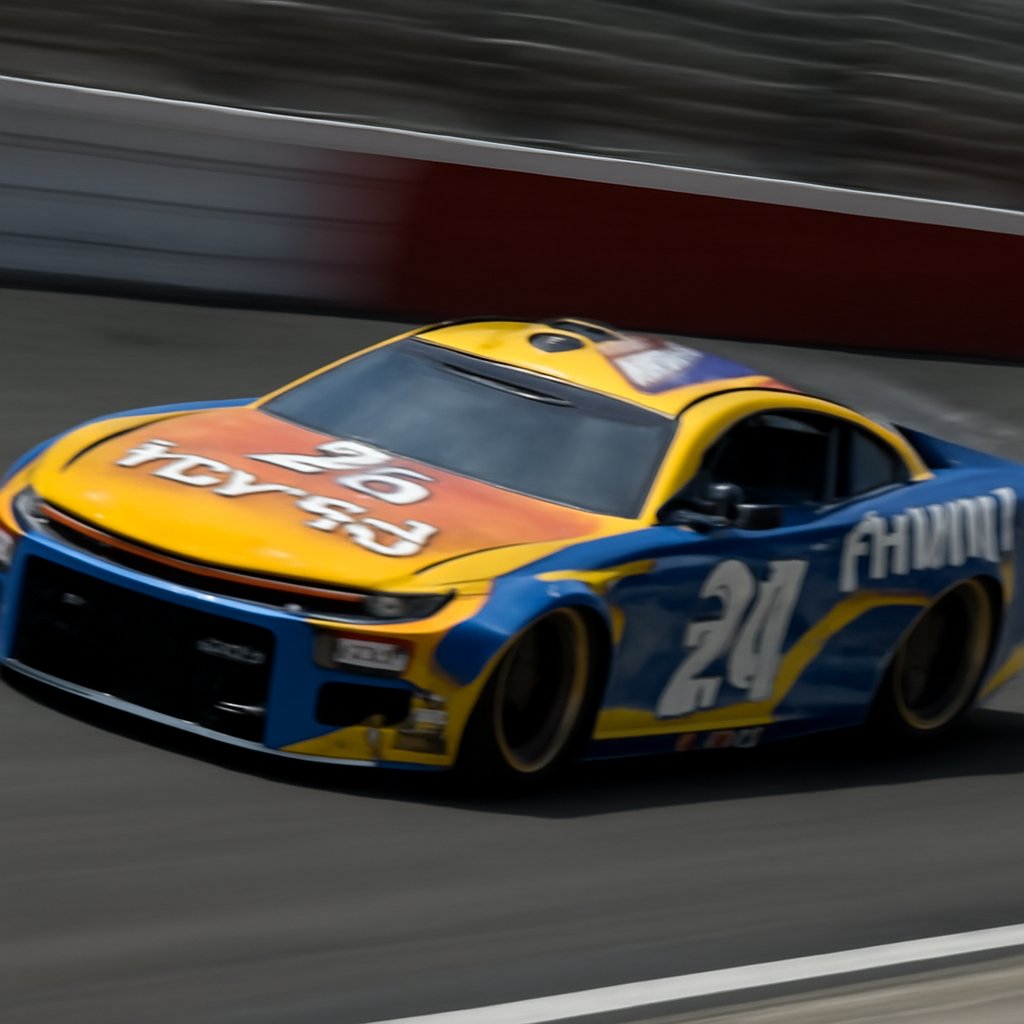
NASCAR sponsorship deals remain the financial engine that keeps Cup Series organizations competitive, and from the pit lane perspective, they dictate everything from chassis allocations to which driver profiles get the best equipment week in and week out. Primary partners and associate arrangements don’t just cover paint schemes; they determine whether a team can absorb the $20-30 million annual operating budget per full-time entry while still turning a profit on the business side of racing.
Sponsorship structures have shifted from legacy tobacco and beer alignments to a broader mix of automotive, consumer, and tech brands. A solid primary deal now delivers between $10 million and $25 million per car, directly underwriting driver salaries, engineering talent, and the logistics of a 36-race schedule. Teams lacking that level of commitment often juggle multiple smaller sponsors, which creates scheduling headaches and limits testing time at venues like Daytona and Charlotte. What teams don’t tell fans is that these fragmented deals also complicate sponsor activations and reduce negotiating leverage with manufacturers.
Driver branding plays a growing role in attracting capital. Kyle Busch and Denny Hamlin, for instance, leverage their social reach and consistent results to secure long-term commitments that strengthen team economics and, in turn, deliver aerodynamic and data advantages during qualifying. Sponsor dynamics here aren’t purely transactional; they influence race strategy when a well-funded program can afford mid-season upgrades that undercapitalized entries simply cannot match.
Charter agreements provide a baseline of guaranteed purse money, yet most organizations still depend on external sponsorship revenue to close the gap. Multi-car teams such as Hendrick Motorsports and Joe Gibbs Racing exploit economies of scale by pooling partner dollars across entries, negotiating better rates on engine leases from Toyota, Chevrolet, and Ford, and sharing analytics resources. Single-car operations face the opposite reality: short-term sponsors create cash-flow volatility that restricts simulator time and development programs. The result shows up in average finishing positions, where diversified portfolios correlate with 15-20 percent stronger seasonal results.
Hendrick’s longstanding Axalta relationship has funded wind-tunnel work and driver development that supported multiple championships. Stewart-Haas Racing’s Mobil 1 partnership similarly stabilized four full-time entries, converting consistent funding into playoff contention. Track-specific activations at places like Bristol and Talladega add value by justifying premium primary pricing while opening doors for associate deals worth an additional $2-5 million annually. Performance-based incentives tied to social metrics and on-track results are now standard in multi-year contracts that often span five seasons or more.
Primary packages typically range from $15 million to $30 million depending on driver profile and team infrastructure, with sponsorship revenue covering roughly 60-70 percent of operating budgets. The charter system distributes about $30 million in base purse money, but without robust partner commitments the math simply doesn’t work. As media rights evolve and digital engagement grows, organizations that treat sponsorship as a strategic partnership rather than a transaction will continue to separate themselves on the business side of racing.
The economics of NASCAR sponsorship have undergone significant transformation over the past decade. Rising operational costs and increased competition for limited sponsorship dollars have forced teams to become more creative in their pitch to potential partners. Today’s successful teams don’t simply offer a paint scheme and race day visibility; they present comprehensive activation packages that include hospitality suites, social media exposure, digital content production, and fan engagement metrics that demonstrate genuine return on investment. Companies investing $10 million or more annually expect detailed analytics showing brand impression growth, social media reach, and customer acquisition tied directly to their NASCAR presence.
Television ratings and live attendance figures influence sponsorship valuations significantly. When a race delivers higher viewership—particularly among the demographic a sponsor targets—teams can justify premium partnership pricing. Conversely, a string of races with declining viewership can pressure existing sponsors to renegotiate terms or signal hesitation to new prospects. Teams like Joe Gibbs Racing have mitigated this risk by cultivating long-term relationships with sponsors who understand that NASCAR investment is a multi-year play rather than a seasonal transaction. This stability allows teams to invest confidently in infrastructure upgrades that improve competitiveness.
Associate sponsorships have become increasingly valuable as a secondary revenue stream. While primary sponsors command the lion’s share of visibility, associate and secondary partners—often companies paying $1-5 million annually—create essential top-up funding. A team running four primary sponsors and eight to ten associate partners can theoretically reach $60 million in annual sponsorship revenue, though achieving that level requires exceptional execution. The integration of these multiple relationships without cluttering the car’s paint scheme or creating sponsor conflicts has become an art form. Smart teams leverage different sponsors for different tracks, allowing a primary partner to dominate at marquee venues like Daytona while letting secondary partners get prominent placement at regional markets where their customer bases concentrate.
Emerging brands and non-traditional sponsors have begun filling gaps left by departing Fortune 500 companies. Energy drink manufacturers, cryptocurrency platforms, and direct-to-consumer e-commerce brands view NASCAR as a cost-effective way to reach engaged audiences. These newer sponsors often bring different expectations and timelines than legacy automotive or consumer goods companies, requiring teams to adapt their activation and reporting approaches. Some of the most innovative sponsorship deals in recent years have come from tech startups and digital-first companies that view NASCAR fan engagement differently than traditional sponsors.
Team ownership structure directly impacts sponsorship success. Family-owned operations often leverage existing business relationships to secure partner commitments, while publicly traded or equity-backed teams have access to corporate finance networks that can accelerate partnership negotiations. Owner-operators like Michael Jordan and Denny Hamlin have successfully attracted premium sponsors by combining their personal brand equity with team performance. The involvement of established business figures in team ownership frequently opens doors with major corporations that might otherwise overlook NASCAR opportunities.
Financial planning around sponsorship cycles requires sophisticated forecasting. Teams must project which sponsors will renew, which may depart, and how much revenue they need to guarantee versus what they can secure through performance bonuses or contingent arrangements. A team projecting $35 million in sponsor revenue might have $25 million locked in with multi-year deals and chase the remaining $10 million through performance-based arrangements, track promotions, and mid-season sponsor additions. This balancing act determines resource allocation across departments—whether the team can hire additional engineers, upgrade simulation equipment, or invest in pit crew training.
The relationship between performance and sponsorship retention cannot be overstated. A team that misses the playoffs will struggle to retain sponsors for the following season, even with existing contracts intact. Better-performing teams attract sponsor expansion dollars and can command premium pricing renewals. This creates a cyclical dynamic where well-funded teams compound their advantages, while underfunded teams must execute perfectly to gain traction. Mid-tier teams often find themselves in precarious positions where a single poor season can precipitate sponsor departures that cascade into further performance decline.
Sponsorship agreements increasingly include data-sharing clauses and social media requirements. Sponsors want access to real-time engagement metrics, fan demographics, and performance data that demonstrates their NASCAR investment is reaching intended audiences. Drivers and teams that excel at social media engagement and content creation gain negotiating leverage, as sponsors view them as force multipliers for their brand activation efforts. This has elevated the importance of digital marketing competency across racing organizations.