
NASCAR Drafting Techniques for Beginners
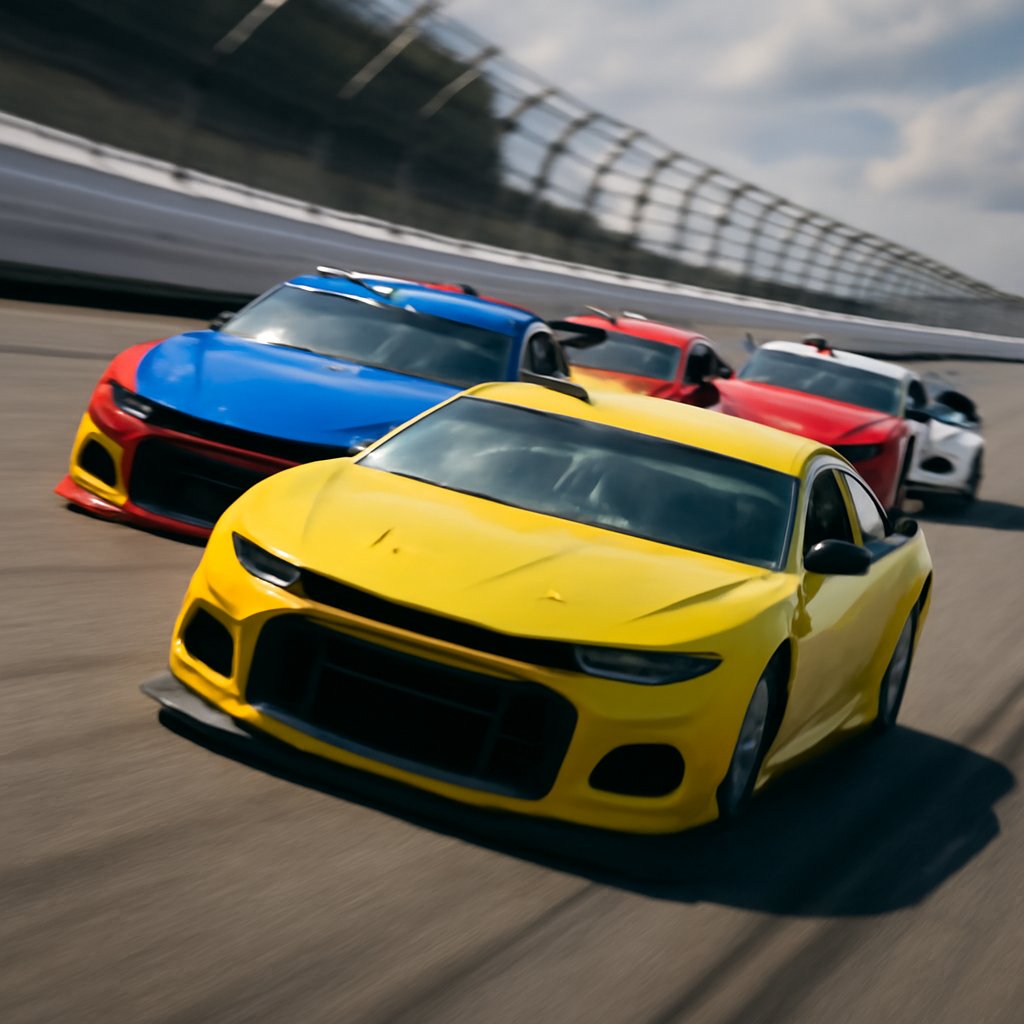
In the world of Cup Series competition, understanding drafting isn’t merely a technical exercise—it’s a cornerstone of team strategy that directly influences fuel mileage, tire management, and ultimately how sponsors see their branding play out on superspeedways like Daytona and Talladega. From the pit lane perspective, this aerodynamic tactic has evolved since the 1960s into a calculated business lever, where precise positioning can shave seconds, stretch fuel windows by 15-20 percent, and keep cars in the lead pack longer for maximum television exposure.
What teams don’t tell fans is that drafting alliances often hinge on sponsor dynamics as much as raw speed. When two cars lock into tandem formation, they’re not just chasing a 5-10 mph boost or a 30 percent drag reduction—they’re aligning marketing partners for shared airtime during those high-visibility restrictor-plate events where speeds top 190 mph. The low-pressure zone created behind the lead car becomes prime real estate, allowing trailing machines to conserve resources while their backers’ logos stay front and center on broadcasts.
The physics behind drafting centers on aerodynamic drag, the resistance a vehicle encounters moving through air. At superspeedway speeds, this force consumes enormous amounts of fuel and limits acceleration. By positioning a following car directly behind the lead vehicle, the trailing driver enters a pocket of reduced air pressure. This drafting zone can decrease fuel consumption by nearly 20 percent and provide meaningful speed advantages without requiring additional engine power. Understanding this fundamental principle helps newcomers grasp why professional drivers spend entire race weekends perfecting their positioning to just inches or feet from competitors.
Basic following positions remain the entry point for any serious contender. Maintaining mere inches to a few feet behind the leader sets up bump drafting, a controlled momentum transfer that demands flawless execution to avoid turning a strategic push into a wall-bound spin. Side drafting adds another layer, where pulling alongside disrupts the leader’s airflow and forces grip loss—moves that crew chiefs weigh carefully against the risk of early-race incidents that could sideline sponsored entries. Learning to recognize these positioning nuances through broadcast analysis helps fans appreciate the tactical complexity unfolding lap after lap.
The evolution of restrictor plates in 1988 fundamentally changed how drivers approach drafting strategy. These devices, mandated for safety, limit engine intake air and reduce horsepower from approximately 750 to around 550 horsepower at superspeedways. This engineering constraint paradoxically enhanced drafting’s importance because cars can’t simply overpower through turns on raw speed alone. Instead, teams must work together in coordinated formations, making cooperative strategy as vital as individual driving talent. The restrictor plate era ushered in the tandem and multi-car draft formations that define modern superspeedway racing.
Tandem drafting, in particular, has become a preferred playbook at venues like Talladega, where historical data shows over 60 percent of Daytona 500 winners since 2000 leaned on late-race partnerships. These pairings factor in everything from tire wear during extended green-flag runs to the restrictor plate’s role, introduced in 1988 precisely to temper the extreme velocities enabled by refined drafting. Improper angles, as simulator data confirms, can spike drag by 40 percent and erase hard-fought positions. Teams spend countless hours analyzing onboard footage and telemetry data to identify the optimal spacing, angle, and timing that maximizes speed while maintaining control.
Three-wide and four-wide racing, once considered reckless, has become standard at Daytona and Talladega when multiple drafting alliances form simultaneously. These situations test driver skill, courage, and judgment to extraordinary degrees. One miscalculation from any participant can trigger a cascade of collisions affecting dozens of cars. Spotter communication becomes critical in these moments—spotters positioned in the team hauler or high in the grandstands relay real-time information about track position, approaching traffic, and potential hazards that drivers cannot see from the cockpit.
Fuel mileage strategy directly intersects with drafting technique. A driver in the draft burns significantly less fuel than a car running solo in clean air, allowing teams to extend fuel-conservation windows or stretch their final fuel load further into the race. This advantage becomes magnified during caution periods and fuel-mileage-dependent finishes, where a well-executed draft partnership can mean the difference between running out of fuel on the final lap or crossing the line at full throttle. Crew chiefs calculate these scenarios obsessively during race preparation, building contingency plans around expected caution flags and fuel consumption rates.
Tire management intertwines with drafting dynamics in ways casual fans rarely consider. A car running in the draft experiences different aerodynamic loads than a solo car, affecting downforce distribution and consequently tire wear patterns. Drivers drafting behind competitors often experience slightly reduced tire temperatures due to lower overall aero loads, potentially extending tire life but also creating a delicate balance where tires must remain warm enough to maintain grip through turns. This nuance explains why experienced drivers sometimes reject seemingly advantageous draft positions—they recognize that preserving tire condition for critical moments outweighs short-term speed gains.
Practice methods have shifted toward iRacing and simulator sessions for aspiring professionals, allowing safe experimentation before real-track commitments. Spotter communication stays non-negotiable, and veterans like Ryan Blaney or Chase Elliott consistently stress patience in post-race breakdowns—over-eagerness frequently triggers multi-car wrecks that wipe out contenders and their associated marketing investments. Tracking lap-by-lap metrics from events such as the Coke Zero Sugar 400 reveals when to press an advantage or hold position for a fuel-mileage swing. Young drivers benefit immensely from reviewing footage of successful superspeedway races, studying how championship winners positioned themselves lap after lap and which strategic decisions proved decisive.
Wind tunnel testing and computational fluid dynamics simulations provide modern NASCAR teams with unprecedented insight into drafting aerodynamics. Engineers can model various car configurations, suspension setups, and body panel arrangements to understand how each element affects drag coefficients and downforce distribution. This technical foundation informs setup decisions that seemingly small changes—a quarter-inch adjustment to a splitter angle or slight modifications to hood venting—can meaningfully impact drafting performance throughout a race distance.
The human element remains irreducible in drafting mastery. Reading competitor intentions, anticipating sudden line changes, and maintaining composure when racing within feet of another vehicle at 190+ mph demands mental discipline that transcends mechanical skill. Drivers describe drafting as a conversation between machines, where subtle throttle adjustments and steering inputs communicate intentions to nearby competitors. Misinterpreting these signals or failing to respond appropriately cascades into incidents that reshape entire races.
At Daytona, tandem speeds have climbed above 200 mph in qualifying trim, underscoring why wind-tunnel insights and onboard footage remain essential tools for teams balancing performance with the commercial realities of the sport. Consistent study of these elements separates those who merely watch from those who grasp how drafting shapes both on-track results and the broader economics of NASCAR. As the sport continues evolving—with potential future rule changes and new car designs on the horizon—the fundamental principles of drafting will remain central to superspeedway success, ensuring that mastery of this technique remains essential for any driver aspiring to victory at racing’s most prestigious venues.