
NASCAR Stage Racing Impact on Competition
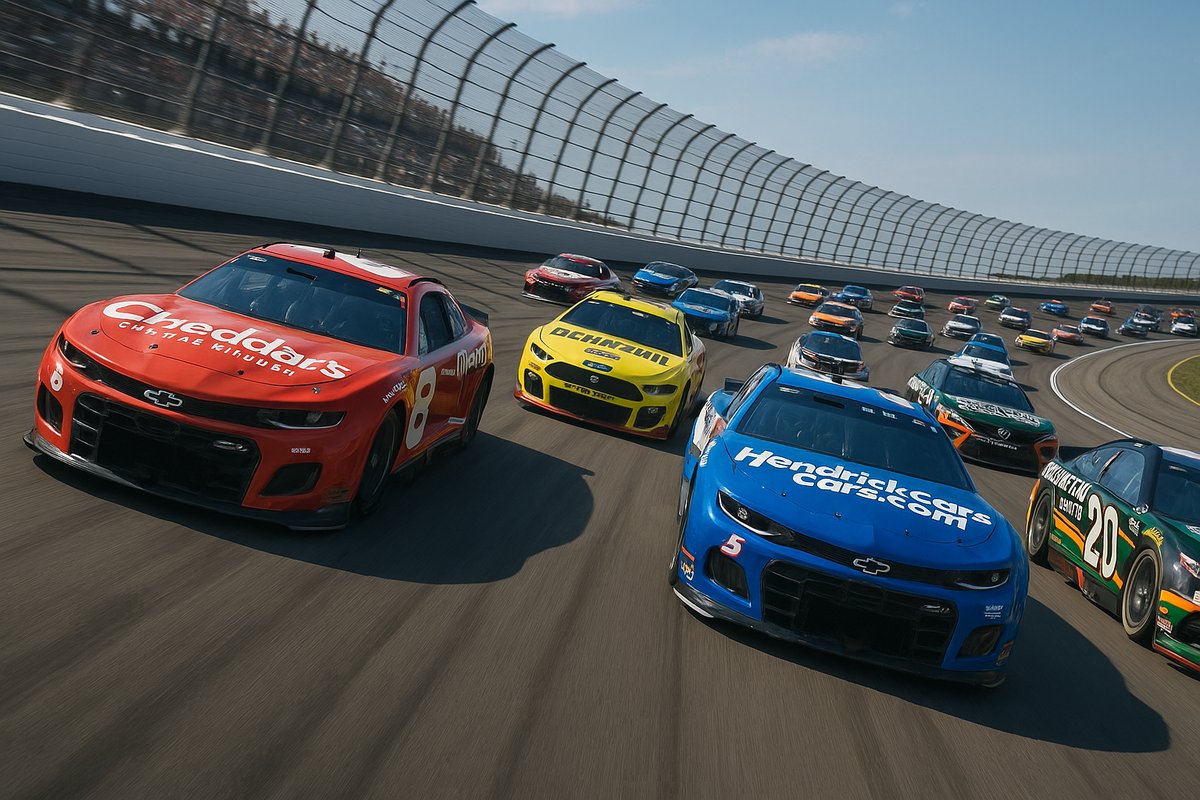
NASCAR’s adoption of stage racing back in 2017 has done more than tweak the Cup Series points structure—it has fundamentally altered how teams allocate resources, manage sponsor expectations, and chase both on-track results and off-track visibility. Dividing events into three segments with bonus points for the top ten in the opening two stages forces organizations to weigh immediate aggression against long-term championship positioning, all while keeping partners like primary sponsors happy with consistent TV exposure during those mid-race breaks.
From the pit lane perspective, the format arrived as a direct response to flat ratings and the risk of long green-flag periods that left broadcasts feeling flat. Brian France pushed it through ahead of the 2017 season, awarding 10 points down to 1 for stage finishes and preserving the traditional win for the final segment. What teams don’t tell fans is how quickly data analytics became a line-item priority; outfits like Joe Gibbs Racing and Hendrick Motorsports ramped up simulation work specifically to optimize stage results, turning what used to be conservative race-day plans into calculated risks that also boost sponsor logo time on restarts.
Crew chiefs now build layered strategies around stage breaks, deciding whether fresh tires justify the track-position gamble or if staying out serves both the points haul and a marquee partner’s branding needs. This has rewarded squads with elite pit crews and exposed gaps elsewhere, particularly at short tracks where restarts carry amplified weight for playoff math. Drivers who thrive on consistency, from veterans like Kevin Harvick to emerging talents such as William Byron, have extended their value to sponsors by banking stage points even on days when an overall victory slips away.
The business ripple effects show up in tighter championship battles and stronger fan metrics. Multiple pathways to points mean a driver can exit a race with meaningful gains despite late mechanical trouble, keeping title fights dramatic and sponsors engaged through November. Networks have leaned into dedicated stage leaderboards and analysis windows, lifting social conversation and overall viewership. Average lead changes rose nearly 30 percent in the early years, while tracks with heavy tire wear like Texas and Kansas saw the sharpest strategic shifts.
Key facts remain unchanged: stage racing launched across all 36 points events in 2017; up to 20 stage points are available per race on top of finishing points; playoff advancement now hinges more on steady stage results than isolated wins; and drivers including 2023 champion Ryan Blaney have publicly tied stage points to their title runs. The format has also broadened top-10 stage finishes across a wider group of teams, improving parity that sponsors notice when evaluating activation opportunities.
The mathematical impact of stage racing extends beyond simple point accumulation. Under the pre-2017 system, a driver finishing 15th in a 400-mile event would earn a single set of finishing points with little opportunity for redemption. Today, that same driver can capture stage points in Stages 1 and 2, potentially earning up to 20 bonus points before the final segment even begins. This restructuring has made the points chase more fluid and less dependent on single-race performances. Over a 26-race regular season, a competitor who consistently finishes top-10 in stages but struggles with final-stage execution can still accumulate enough points to secure a playoff berth—a scenario that would have been far more difficult before 2017.
The strategic complexity intensifies during fuel-mileage decisions and tire conservation. Pit crews must now consider whether a stage break provides an optimal window for strategy calls that gain positions without sacrificing the points payload. At Michigan or Las Vegas, where fuel window calculations are tight, teams might opt to run lean in Stage 1 to set up a two-stop final stage, accepting a lower stage finish to preserve fuel for a potential Stage 3 pass. These tactical micro-decisions cascade through the weekend and require real-time communication between drivers, crew chiefs, and strategists monitoring fuel consumption data and tire degradation curves.
Television networks have also restructured broadcast architecture around stage racing. Instead of letting a race drift during the middle hours, Fox, NBC, and USA Network now trigger expanded coverage windows during stage-ending laps. Commentary becomes sharper, graphics more prominent, and pit-reporter access more frequent. Sponsor logos receive guaranteed airtime during stage-ending sequences and restart celebrations, making the mid-race segments prime advertising real estate. This has translated to higher acquisition costs for primary sponsorships, as teams can now guarantee broadcast visibility that wouldn’t exist under traditional green-flag racing.
Playoff implications have grown steeper because stage points directly influence the 16-driver postseason field. A driver who wins races but struggles with stage consistency faces a steeper climb than a competitor who may lack wins but stacks stage points across the season. This has tilted championship contention toward well-funded, data-driven organizations that can deploy engineers specifically tasked with stage-result optimization. Smaller teams without those resources often find themselves outside the playoff picture despite competitive machinery, because they cannot engineer wins through mid-race tactical advantages the way larger operations do.
Short-track racing and road courses present distinct challenges under the stage format. At Bristol or Martinsville, where passing is notoriously difficult, securing a top-10 stage finish can require strategic pit stops and fuel management that consume resources better spent on a final-stage push. Road-course stages at Sonoma and Road America introduce variable pit-stop timing and downforce adjustments, forcing teams to carry multiple setups in their haulers and practice rotations that account for stage-specific track conditions. The Roval at Charlotte combines both variables, creating a scenario where stage racing strategy can fundamentally diverge from traditional oval or road-course approaches.
Driver development has also shifted in response to stage racing’s emphasis on consistency. Young talent now enters the Cup Series with expectations that they deliver top-10 finishes regularly, not just aim for wins. Sponsorship talks increasingly focus on stage-point projections over a season, with potential partners evaluating not just a driver’s raw speed but their ability to accumulate mid-race points. Teams scout prospects based partly on their simulation work and ability to adapt to stage-focused strategies, adding another evaluation layer beyond on-track racecraft.
Ultimately, stage racing continues to deliver measurable returns by balancing competitive tension with commercial appeal. Teams that treat each segment as both a sporting and sponsorship asset have adapted fastest, ensuring the Cup Series stays compelling from Daytona through Phoenix while protecting the bottom-line interests that keep the garage funded. The format’s longevity suggests that despite occasional criticism from purists, NASCAR’s leadership remains committed to a points structure that rewards aggression, punishes complacency, and creates genuine intrigue across every hour of every race. For fans, this means closer finishes, more strategic variables to debate, and playoff scenarios that remain unsettled until the final checkered flag drops in November.