
Top 7 Underrated NASCAR Tracks
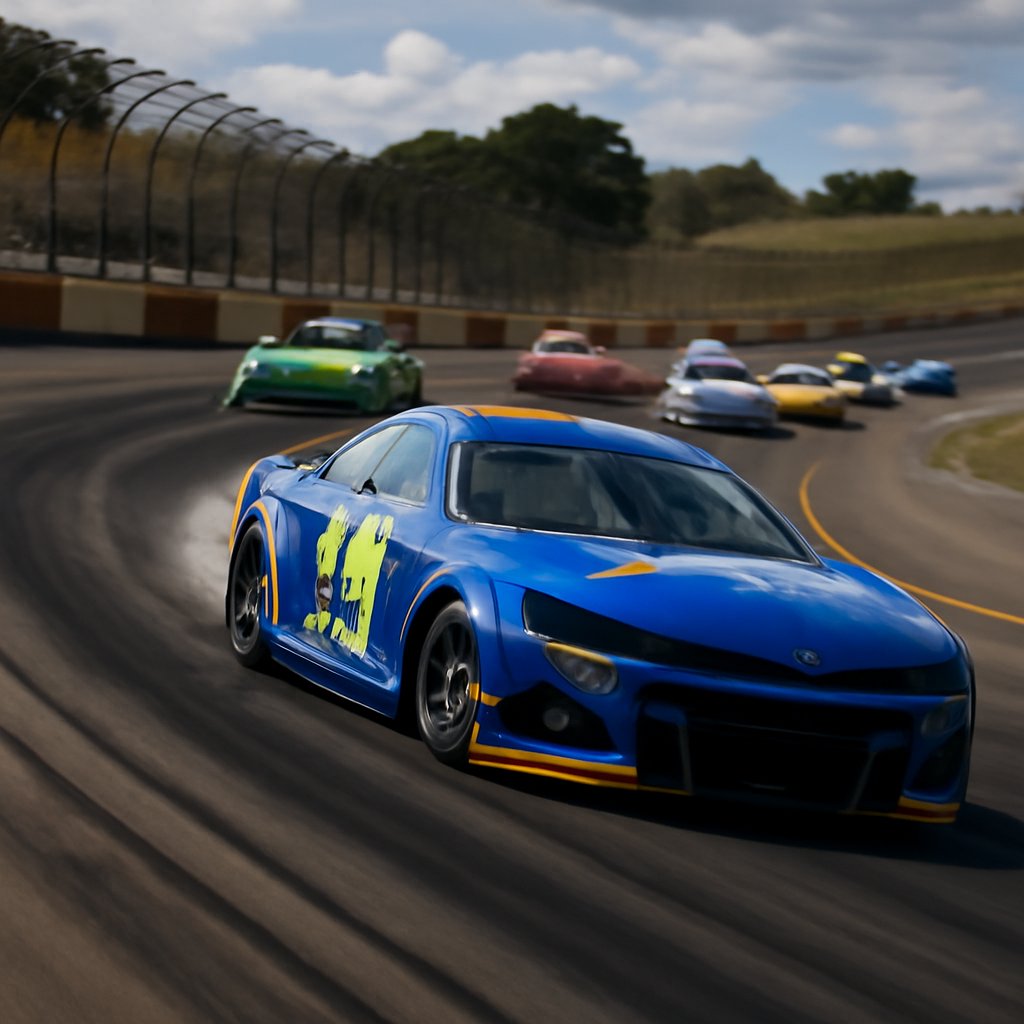
Growing up in Charlotte, NASCAR wasn’t a hobby — it was life, with every weekend revolving around the roar of engines and the smell of burning rubber out at the track. My grandfather watched this track get built back in the day, and he’d always remind us that while folks fixate on the big shows at Daytona or Talladega, the real heart of the sport beats at those underrated NASCAR tracks that don’t always get the hype. These hidden gems deliver Cup Series action with unique layouts, fired-up local crowds, and wheel-to-wheel battles that shape seasons in ways the superspeedways can’t match.
Many enthusiasts zero in only on those massive venues, but underrated NASCAR tracks offer deep track guides for strategy and driver growth. Short tracks and road courses push competitors with changing conditions, sparking surprise outcomes and standout runs from both vets and rookies. They breed tight racing that spotlights car setups and passing skills.
Take Iowa Speedway and its 0.875-mile layout that demands precise handling and aggressive moves. Cup Series races there often end in chaos, with drivers like Kyle Larson shining in traffic. Historical results show frequent cautions that reward smart pitting, making it a go-to for learning short-track basics. Profiles of drivers such as Christopher Bell show how Iowa hones adaptability, turning solid efforts into podiums with bold high-bank passes. The track’s 20-degree banking in the turns creates a unique rhythm where drivers must balance aggression with tire management across the 400-lap events typical of this venue. Iowa’s unpredictability means that qualifying performance matters less than race-day execution, often allowing underfunded teams or drivers with short-track experience to punch above their weight and challenge the powerhouse organizations.
Then there’s Road America in Elkhart Lake, stretching four miles with elevation changes and sweeping corners. It highlights braking zones and throttle control, leading to dramatic results when weather turns. Cup stars like Chase Elliott have owned its flow, proving their skills beyond ovals. The Wisconsin track’s technical nature means that setup choices carry enormous weight — teams spending hours in practice adjusting downforce levels, brake balance, and suspension geometry. Road America’s flowing layout rewards smooth inputs and car control over raw power, which explains why certain drivers consistently excel there. The track’s elevation variations also create natural passing zones at the end of the back straightaway and into the chicane, where bold moves under braking can determine race outcomes.
Mid-Ohio’s 2.258-mile road course mixes tight hairpins and fast straights for bold overtakes that swing Cup results. Tire management here separates the contenders, as track guides often note. The Columbus-area circuit features some of the tightest corners on the NASCAR Cup circuit, with Turn 1 and the carousel sections demanding precision that leaves no margin for error. Drivers who struggle with trail-braking into these technical zones typically spend a frustrating day working through the field, while those comfortable on the edge can thread passes that seem impossible to observers. Mid-Ohio’s layout also means fuel strategy plays a role in shorter races, sometimes allowing aggressive pit calls to determine winners when track position alone wouldn’t guarantee victory.
Circuit of the Americas in Austin brings international flair with its 3.4-mile layout and 20 turns. It tests endurance and setup versatility, creating memorable battles where drivers like Tyler Reddick have grabbed strong finishes to fuel championship runs. COTA’s design mirrors Formula 1 and IndyCar venues worldwide, which means drivers with open-wheel backgrounds often have advantages in their early Cup starts here. The track’s combination of high-speed corners like Turn 1 and technical sections like the carousel creates a physical and mental challenge that separates the thoroughly prepared from the unprepared. Weather variations at the Austin venue can dramatically shift strategy, with afternoon heat typically creating more grip than morning sessions, forcing teams to make bold setup adjustments between practice and race day.
The Charlotte Roval combines oval and road elements in an innovative way, forcing quick shifts between banking and chicanes that often reshape Cup standings with unpredictable twists. Growing up in Charlotte, I saw firsthand how this hybrid keeps the local flavor alive. The Roval’s unique configuration means that drivers excel based on their versatility rather than specialization — a pure road-course ace must adapt to high-speed oval sections, while oval specialists must suddenly navigate technical chicanes that demand road-course braking techniques. This blend creates fascinating personality in races, where different strategies reign during different stages. Early-race cautions often benefit bold pit calls, while late-stage races reward smooth execution and clean air. The Roval’s banking change from the oval sections into the road course portions means that tire wear and brake temperature management follow unpredictable patterns that confound standard pit strategies.
New Hampshire’s one-mile flat oval rewards clean air and strong restarts, emphasizing side-by-side action that builds compelling driver stories and season arcs. The track’s lack of banking means that aerodynamics play a massive role in performance, with teams constantly balancing downforce for straightaway speed against corner stability. Side-by-side racing at New Hampshire produces some of Cup Series’ most spectacular moments, as drivers literally run inches apart through turns because the flat surface offers multiple racing lines. The track’s relatively short length means that pit strategy and fuel mileage considerations can dramatically shift outcomes — a well-timed caution might allow a fuel-conscious pit call to vault a competitor from mid-pack to contention. New Hampshire’s races often feature surprising winners because the flat-track dynamics allow smaller teams with superior pit execution to overcome raw speed deficits.
Homestead-Miami’s 1.5-mile oval comes alive under the lights, hosting championship deciders where precise traffic work decides final outcomes and crowns champions. The South Florida track’s night-racing environment creates unique lighting that affects driver depth perception and braking point identification, requiring veteran competitors to demonstrate adaptability beyond what they’d experienced in daytime events. Homestead’s banking of 18.4 degrees creates a sweet spot where aerodynamic downforce and mechanical grip balance perfectly, allowing for multiple racing lines and producing passing opportunities throughout the field. The track’s history as a championship-deciding venue means that pressure intensifies during final laps, often separating mentally tough competitors from those who wilt under championship-level stress.
These seven underrated NASCAR tracks enrich the Cup Series with diverse challenges that reward skill and strategy. Each venue demands different skill sets — short-track racecraft at Iowa, road-course finesse at Road America and Mid-Ohio, endurance at COTA, versatility at Charlotte Roval, side-by-side racing at New Hampshire, and high-pressure championship moments at Homestead. Understanding how drivers perform at these varied venues provides deeper insight into their true capabilities and explains why championship contenders typically excel across multiple track types rather than dominating at single-type facilities.
Fans chasing deeper track guides and insightful race results ought to catch them live or on screen to see how they mold driver profiles and legacies beyond what the bigger places deliver. The intimacy of these tracks often means superior fan experiences too, with closer proximity to pit boxes, shorter walk distances to concessions, and more authentic local atmosphere that reminds spectators why they fell in love with NASCAR.