
Joey Logano Championship Journey Profile
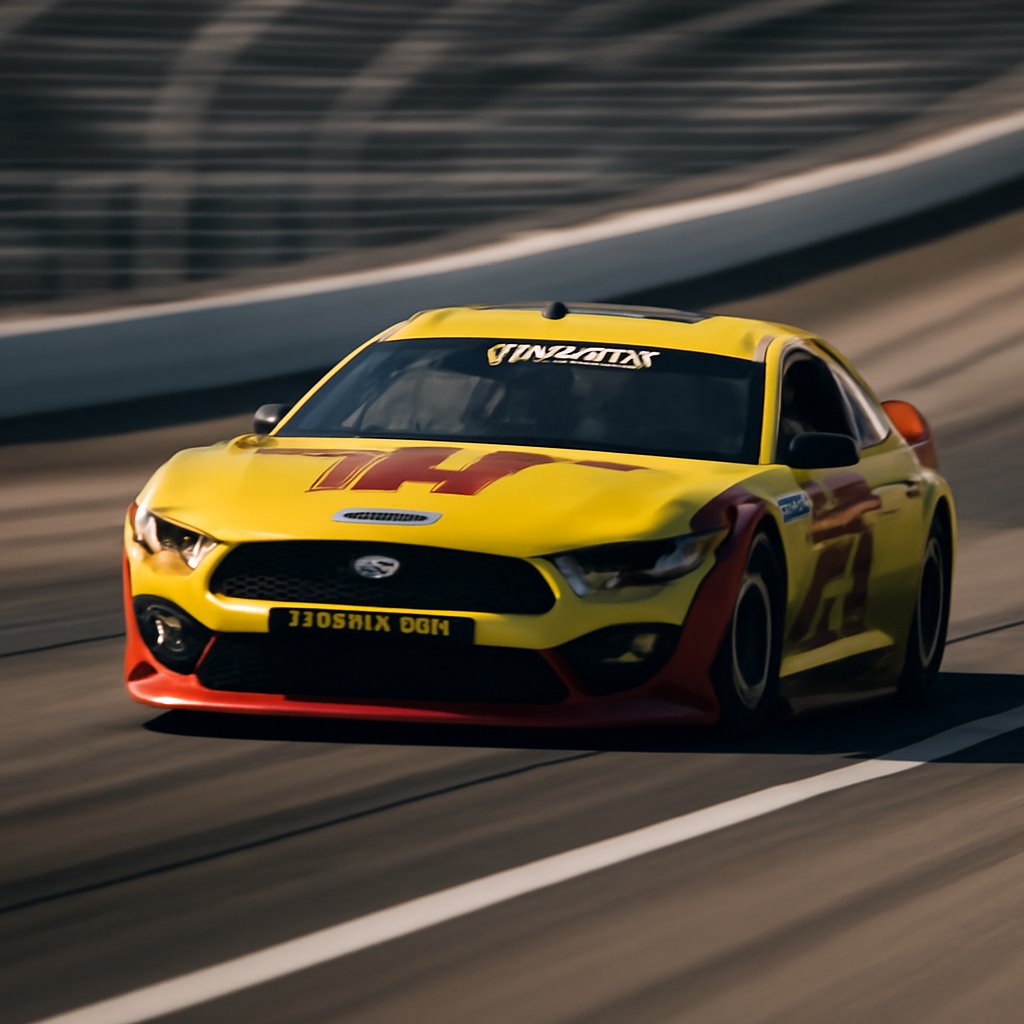
Growing up in Charlotte, NASCAR wasn’t a hobby — it was life, and Joey Logano’s rise from a Northeast karting kid to hoisting that 2018 Cup trophy feels like one of those stories my granddaddy would spin while we sat trackside at Charlotte Motor Speedway. He always said he watched that place get built, and watching drivers like Logano chase greatness just proves why this sport runs in our blood from Daytona to Talladega and everywhere in between.
Logano’s path started in those early karting days up north, where his raw talent showed quick. By his mid-teens he’d moved through the regional stock car ranks, grabbing Rookie of the Year in the NASCAR K&N Pro Series East back in 2008. Joe Gibbs Racing took notice, and at just 18 he made his Cup debut in 2009 at Texas Motor Speedway. Those first years had their ups and downs, but that speed and work ethic were plain to see. The big shift came in 2013 when he moved over to Team Penske, where the elite engineering help turned him into a consistent winner.
Before he claimed the big one, Logano owned the Xfinity Series with wins that showed he could close races when the pressure hit hardest. That experience paid off big when he made his first playoff run in 2014. Racing in the Xfinity Series wasn’t just a stepping stone for Logano — it was a masterclass in pressure situations. He racked up multiple wins in that series, learning how to manage fuel mileage, read tire wear, and stay aggressive when it mattered. Those lessons became the foundation of his championship mindset, teaching him how to peak at the right moments rather than burn out early in the season.
Now, 2018 stands out as the year everything clicked for Joey. After a strong regular season with victories at Richmond and Talladega — a place where my people always say you earn your stripes dodging the big wrecks — he carried that momentum straight into the playoffs. He worked his way through every round by nailing restarts and managing tires like a veteran. The clincher came at Homestead-Miami, where he led 52 laps and beat Martin Truex Jr. in a finish that had the whole garage buzzing. That win proved he could peak when it counted most.
What made that championship run so special was the consistency Logano showed across all track types. His team ran flawless pit strategy all postseason long, with pit crew chief Greg Ives calling the shots on when to pit, what adjustments to make, and how aggressive to play each moment. A runner-up at Kansas and that dominant Phoenix win locked him into the finale, showing he could handle anything from intermediates to short tracks. Phoenix became something of a proving ground for Joey — that 1.426-mile D-shaped track with its tight corners and worn surface became a place where his precision and patience really shined through.
That Homestead finale remains one of the most thrilling championship-deciding races in recent memory. With Martin Truex Jr. as the other finalist, both drivers brought their A-game. Logano’s ability to stay calm under pressure, make smart fuel-mileage decisions in the late laps, and execute on restarts showed the maturity he’d gained over his nearly decade-long Cup career. The victory lap, the celebration with his team, and hoisting that championship trophy represented vindication for a driver who’d faced plenty of doubters along the way.
After the title, Logano kept rolling with wins at Michigan and Darlington. The 2020 and 2021 seasons brought tougher competition and a few mechanical headaches, but he bounced back stronger than ever. His knack for the current playoff format keeps him right there as a contender every fall, and fans still point to his run when they size up the title favorites. Beyond just the wins themselves, Logano’s approach to the sport evolved — he became more vocal in the garage about setup changes, more collaborative with his engineering team, and more willing to take calculated risks when the payoff warranted it.
At superspeedways like Daytona and Talladega, Logano’s a master at the draft and staying clear of the “Big One.” His superspeedway strategy focuses on positioning, patience, and knowing when to make moves without overcommitting. On road courses like Watkins Glen, that karting background gives him an edge folks notice right away. Road course racing requires a completely different skill set — heel-toe downshifting, trail braking into corners, and managing a car that’s loose rather than tight. Logano’s early karting foundation taught him the fundamentals of steering angle, throttle control, and finding apexes that most drivers spend years trying to relearn in stock cars.
The numbers tell the tale plain: 2018 Monster Energy NASCAR Cup Series Champion with Team Penske, over 30 career Cup wins as of 2024, multiple victories in Xfinity and Trucks too. He was the youngest driver to win a Cup race at age 19 back in 2009. He’s finished top 10 in points in nine of the last twelve seasons, holds the record for most laps led in a single playoff race during that championship run, carries a 12.4 average finish at Phoenix, and he’s a three-time Daytona 500 pole sitter. With more than 500 Cup starts and counting, he’s still out there giving back through the Joey Logano Foundation.
The consistency of Logano’s performances at particular tracks tells its own story. Beyond Phoenix, he’s developed into a reliable points collector at Charlotte Motor Speedway, a track that holds special significance given his Charlotte roots. His crew chief relationships have also played a crucial role in his success — working alongside talented engineers who understand his driving style and can translate his feedback into mechanical improvements has been essential to maintaining his competitiveness across multiple seasons and different competitive landscapes.
Looking forward, Logano’s approach to mentoring younger drivers in the Team Penske stable shows maturity beyond his years. He’s become more than just a driver chasing wins — he’s a veteran presence helping the organization develop the next generation. His whole story shows what persistence and smart racing can do — from that teenage debut to champion, and now mentoring the next generation. It’s the kind of tale that keeps us all coming back, whether you’re from Charlotte or down at Talladega chasing that next great finish.