
Guide to Short Track Racing in Cup Series
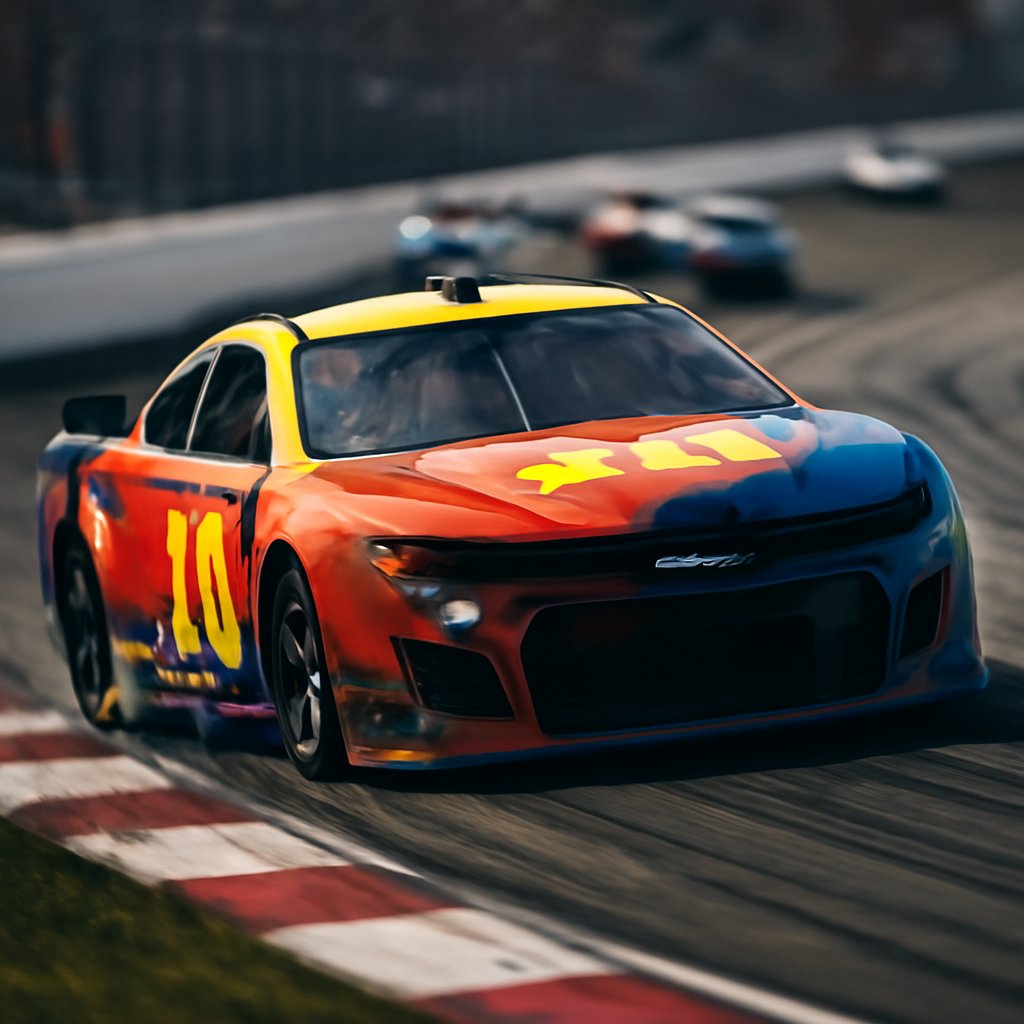
Short track racing in the Cup Series continues to deliver the kind of close-quarters intensity that sponsors love because every lap under the lights translates into maximum brand exposure. Venues under a mile force teams to prioritize mechanical grip and driver feel over aero packages, which shifts strategy sessions toward tire compounds and setup tweaks that protect multi-year deals with manufacturers and associate partners. From the pit lane perspective, these events often decide playoff positioning and the kind of contingency bonuses that keep crew chiefs and sponsors aligned through the postseason.
What defines these tracks is straightforward: concrete or asphalt layouts that reward clean air management and side-by-side racing without losing momentum. The 2024 schedule centers on Bristol Motor Speedway, Martinsville Speedway, Richmond Raceway, and the revived North Wilkesboro Speedway for special events. Each demands distinct chassis adjustments, but all emphasize the long-run execution that teams quietly negotiate with sponsors who want consistent television time rather than highlight-reel wrecks.
Track surfaces play directly into business decisions. Bristol’s concrete demands harder tire compounds and aggressive management to avoid early stops that can cost a primary sponsor valuable laps on camera. Martinsville’s progressive banking rewards momentum preservation, which often leads to conservative early-race strategies aimed at protecting equipment value for owners and title sponsors. Richmond’s .75-mile layout blends short-track handling with slightly higher speeds, giving teams flexibility to test setups that might carry forward to intermediate events where larger sponsorship activations are staged.
Bristol, the “World’s Fastest Half-Mile,” hosts both spring and fall races with its 24-degree banking producing frequent cautions that create overtime opportunities—valuable for networks and the brands that buy those extended commercial windows. Martinsville, the circuit’s oldest venue, tests brake durability over 500 laps and has delivered some of the closest photo finishes in recent memory, moments that teams leverage in post-race hospitality for key partners.
Richmond emphasizes restarts and long-run speed, a critical factor when sponsors evaluate driver performance metrics tied to appearance clauses. North Wilkesboro’s flat, narrow layout punishes mistakes instantly, forcing rapid suspension and shock changes between events. What teams don’t tell fans is that these quick pivots often hinge on spare parts budgets negotiated months earlier with chassis suppliers who also serve as associate sponsors.
Driving techniques that succeed here revolve around the slide job and knowing precisely when to use the bumper versus lifting. Kyle Larson and Denny Hamlin consistently excel because they maintain throttle through corner entry while rotating the car with minimal steering input, preserving tires for the strategies that sponsors monitor in real time. Setup focus stays on tightening the center and freeing the exit to enable repeated passing attempts without burning through allotted sets.
Tire management becomes a chess match when limited sets are allocated per race. Teams balance early aggression against long-run speed, especially when night-race temperatures shift dramatically. Short-track events frequently feature multiple tire strategies within a single afternoon or evening, directly impacting how marketing partners time their social activations around pit stops.
Among active drivers, Kyle Larson leads with multiple Bristol victories and steady Martinsville podiums that bolster his marketability. Denny Hamlin has mastered Richmond restarts, translating into reliable results that protect his long-term sponsorship portfolio. Chase Elliott and William Byron continue to show measurable gains, while veterans like Martin Truex Jr. historically used short-track consistency to lock down championships. Newer talents such as Tyler Reddick bring aggressive traffic styles that generate the kind of content sponsors repurpose across digital channels.
Recent results underscore the business stakes. The 2023 Bristol night race produced 18 lead changes and a dramatic overtime finish that extended television coverage. Martinsville delivered another narrow victory for Hamlin in the 2024 spring event. Richmond’s fall race routinely serves as a playoff eliminator, where short-track outcomes can shift championship odds and the associated sponsor revenue streams.
Key figures illustrate the format’s weight on the schedule. Bristol has hosted over 60 Cup races since 1961, averaging 12 cautions per event. Martinsville holds the record for most events at a single venue with more than 150. Short tracks represent roughly 25 percent of the annual calendar yet generate over 40 percent of all lead changes. Larson owns the modern-era mark with eight Bristol wins across both concrete configurations. The closest margin at a short track in the last decade was 0.001 seconds at Richmond in 2019. North Wilkesboro returned in 2023 after 27 years away, drawing record attendance that translated into strong ancillary revenue for teams and promoters alike.
Short-track racing remains the purest gauge of driver talent and team adaptability in today’s NASCAR landscape. These venues produce the closest competition and highest drama, directly influencing championship trajectories and the sponsor relationships that sustain the sport.
Sources
- NASCAR.com – Official NASCAR short track racing resources and driver development programs
- ESPN Racing – NASCAR news, standings, and Cup Series coverage
- Motorsport.com – NASCAR Cup Series articles and short track racing analysis
- NASCAR.com – Craftsman Truck Series information and short track heritage