
Profile of Chase Elliott’s Rise in Cup Series
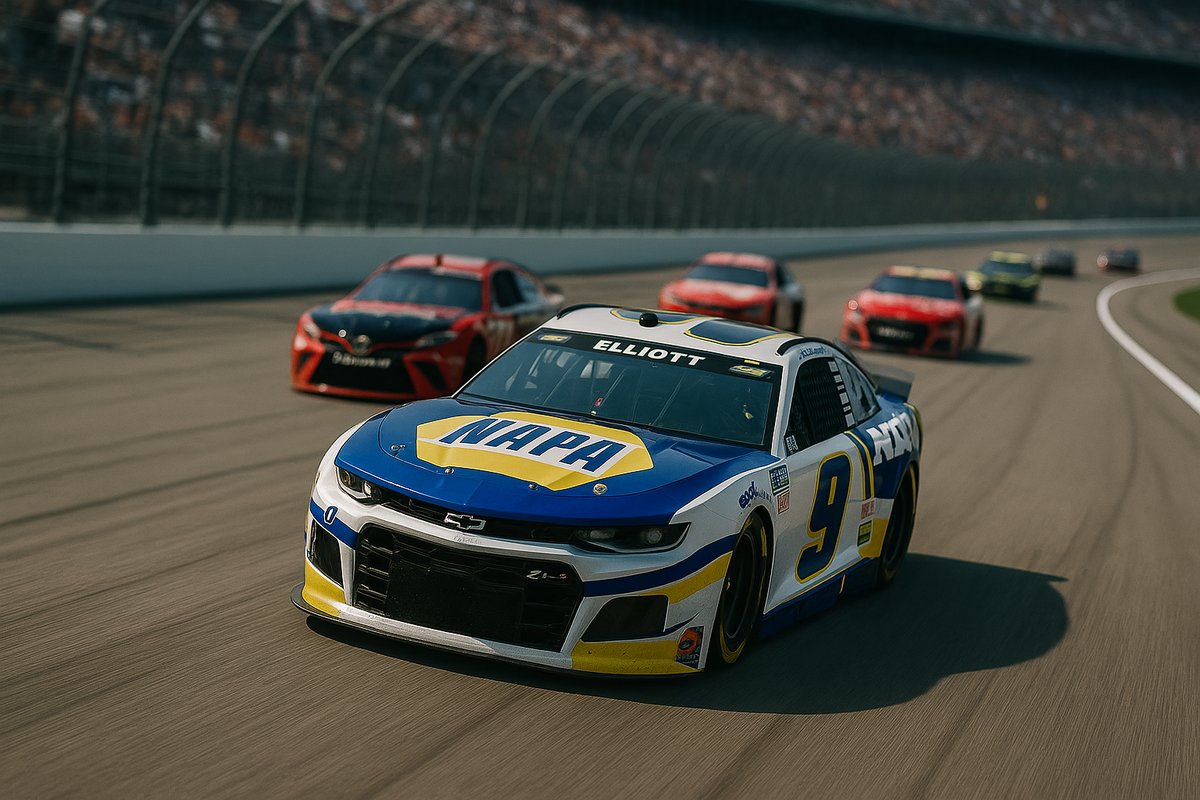
Chase Elliott’s ascent through NASCAR’s Cup Series illustrates how a blend of inherited pedigree and calculated career moves can translate into long-term value for both driver and organization. Competing for Hendrick Motorsports in the No. 9 Chevrolet, Elliott has turned consistent on-track results into measurable business advantages, from expanded sponsorship opportunities to a loyal fan base that drives ancillary revenue streams.
From the pit lane perspective, his early foundation in Dawsonville, Georgia, and progression through go-karts and short tracks positioned him for a data-driven jump into national series. Born November 28, 1995, as the son of 1988 champion and Hall of Famer Bill Elliott, he leveraged that name recognition without relying solely on it. ARCA and K&N Pro Series East performances provided the metrics teams needed to justify further investment.
What teams don’t tell fans is that Elliott’s 2014 Xfinity Series title with JR Motorsports wasn’t just a personal milestone—it accelerated sponsor negotiations by proving he could deliver wins and poles while building marketability. That championship shortened his developmental timeline and highlighted the strategic alignment between performance and commercial appeal. The 14 wins and 15 pole positions Elliott recorded during that championship season demonstrated a maturity that typically takes drivers several additional years to develop.
His Cup debut came in 2015 at age 19, filling in for an injured Dale Earnhardt Jr. at Charlotte Motor Speedway. The strong showing led Hendrick to commit to a full-time seat starting in 2016. Early challenges at superspeedways like Daytona and Talladega tested team strategy around setup and pit calls, yet persistence yielded his first victory at Watkins Glen in 2018. That road-course win underscored versatility that sponsors value when allocating activation budgets across track types. The Watkins Glen victory came in Elliott’s 187th Cup Series start, a reasonable timeline that reflected the competitive nature of modern NASCAR and the learning curve required to master the Cup Series’ technical demands.
Elliott Nation’s growth through social channels and top-10 finishes has created a feedback loop: strong results at venues like Martinsville and Phoenix boost visibility, which in turn supports premium sponsorship packages. Hendrick has capitalized on this by emphasizing clean racing and points accumulation that contribute to overall team championships. Elliott’s approach to wheel-to-wheel competition has earned respect from competitors and crew chiefs alike, establishing a reputation for intelligent, measured aggression rather than reckless moves that alienate both peers and sponsors.
The early years of Elliott’s full-time tenure also showcased his mechanical sympathy and communication skills. Teams that excel in the modern era require drivers who can articulate setup feedback with precision, allowing engineers to make informed adjustments between practice sessions and races. Elliott’s ability to translate feel into actionable data has streamlined the No. 9 team’s performance curve across different track configurations and weather conditions.
The 2020 title at Phoenix marked Elliott as the first post-2000 driver to claim the crown, following a regular season and playoffs that navigated competition from veterans like Kevin Harvick and Denny Hamlin. That championship run featured three wins during the 2020 regular season and crucial playoff victories that demonstrated Elliott’s ability to elevate his performance during high-stakes moments. His 2020 championship validated the investment Hendrick Motorsports had made in his development and quieted any remaining doubts about whether he could deliver under maximum pressure. Additional victories at Road America and Circuit of the Americas reinforced his value in a landscape where road-course strength influences both TV exposure and sponsor hospitality opportunities.
The 2022 Next Gen car rollout required rapid adaptation, but multiple wins and playoff berths demonstrated the team’s engineering synergy and Elliott’s tire-management precision. The transition to the new car platform affected all competitors, but Elliott’s flexibility in setup preferences and his willingness to experiment with unconventional approaches gave Hendrick’s engineering staff advantages in the early developmental phase. His consistent feedback during test sessions and regular-season races contributed to the organization’s ability to competitive across multiple track types faster than some competitors.
Beyond raw statistics, Elliott’s influence on Hendrick Motorsports extends to mentorship and team culture. As the organization’s flagship driver in recent seasons, he has helped establish standards for professionalism and work ethic that elevate the entire organization. Young engineers and mechanics working on the No. 9 team benefit from exposure to Elliott’s deliberate approach to car setup and race strategy, creating developmental opportunities that strengthen the broader technical staff.
Elliott’s consistency deserves particular emphasis when evaluating his career trajectory. While some drivers accumulate highlight-reel moments and spectacular wins, Elliott has built his reputation on showing up week after week, delivering top-10 finishes, and positioning his team for playoff success. This reliability has direct financial implications: sponsors know they can count on consistent exposure and avoid the ROI volatility associated with drivers prone to crashes or DNFs.
Key metrics underscore the business case: over 20 Cup victories as of 2024, multiple poles, consistent playoff qualification since his full-time debut, the strongest active-driver average finish on road courses, and a record for most popular driver awards. More than 300 starts with a focus on reliability—zero DNFs in several seasons—have minimized sponsor risk while maximizing exposure. Elliott has also emerged as one of NASCAR’s most marketable personalities, with a social media following that rivals veterans with decades more experience in the sport.
The road-course proficiency Elliott has demonstrated across multiple seasons reflects both natural talent and deliberate skill development. Unlike oval racing, where setups and strategies can be replicated across similar track types, each road course presents unique challenges. Elliott’s willingness to invest time in understanding the nuances of different road-course layouts has created a competitive advantage that translates directly to victories and sponsor visibility at events like the Roval, Road America, and Circuit of the Americas.
Elliott’s trajectory continues to shape how organizations evaluate driver development investments, proving that adaptability and fan engagement deliver returns beyond the checkered flag. His partnership with Hendrick Motorsports represents a modern template for long-term driver-organization alignment, where mutual commitment generates compound returns over multiple seasons and championship cycles.