
William Byron Young Driver Development Story
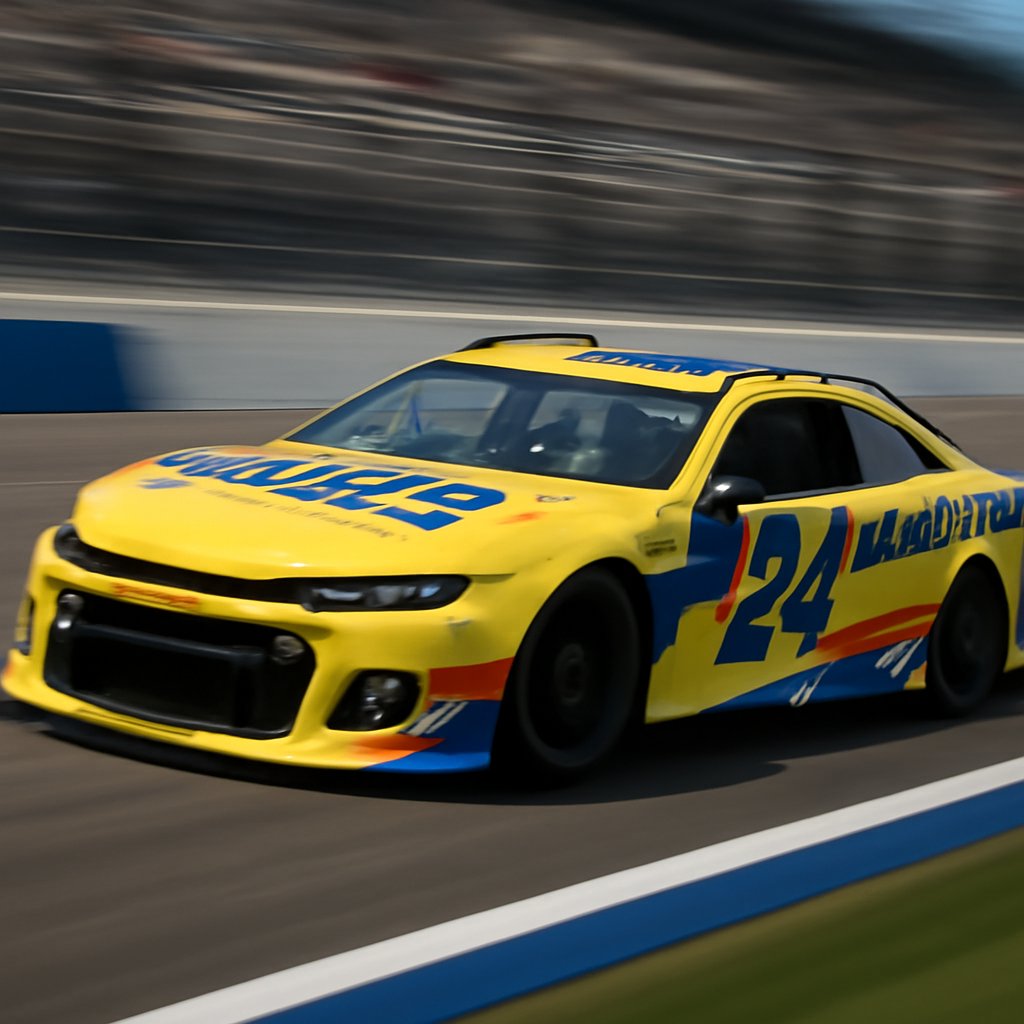
William Byron’s path from go-kart prodigy to Hendrick Motorsports staple offers a textbook case of how manufacturer-backed development programs turn raw ability into sustainable Cup Series value. What teams don’t tell fans is that these pipelines are as much about protecting sponsor ROI and managing media narratives as they are about pure speed on track.
Born in 1997 in Charlotte, Byron cut his teeth on local karting circuits, racking up regional titles that drew scout attention by his early teens. Those years hammered home the fundamentals of car control and strategic decision-making under pressure—skills that translate directly to the data-driven environment of modern stock-car racing. From the pit lane perspective, the transition to Legends cars at Charlotte Motor Speedway proved decisive: multiple feature wins and a track championship introduced oval-specific handling and the physical grind of sustained high-speed runs, laying groundwork for later series where tire management and traffic strategy separate contenders from the pack.
The pivotal business move came in 2015 when Byron entered the Hendrick Motorsports driver development program. Access to elite engineering resources, simulator time, and direct mentorship from Jimmie Johnson and Jeff Gordon accelerated his learning curve. Hendrick’s emphasis on physical conditioning and data analysis reflects the broader industry shift toward treating drivers as long-term assets whose performance impacts everything from sponsor activation to playoff bonus structures. Byron’s quick uptake validated the model, showing how targeted investment can compress the timeline from developmental series to championship-caliber Cup competition.
Beyond the formal mentorship, Byron benefited from Hendrick’s unparalleled infrastructure. The organization’s simulator program allowed him to log thousands of virtual miles on tracks across the NASCAR calendar before his first laps on asphalt. This technology-forward approach mirrors practices in Formula 1 and other top-tier racing series, where simulation reduces the learning curve and minimizes costly on-track mistakes during the developmental phase. Byron’s willingness to embrace data and feedback—analyzing telemetry, studying onboard video, and collaborating with engineers on setup changes—distinguished him from drivers who relied solely on seat-of-the-pants feedback. That analytical mindset would prove essential as NASCAR transitioned to the Next Gen car, a platform that required teams and drivers to rebuild their understanding of aerodynamics, tire behavior, and brake balance.
Progression through the ladder followed a calculated sequence. His 2016 ARCA campaign delivered Rookie of the Year honors and two wins, highlighted by strong superspeedway showings at Daytona and Talladega. The move to Kyle Busch Motorsports in the Truck Series produced four victories and a 2017 championship runner-up finish, sharpening skills in pit strategy and in-race adjustments that sponsors notice when evaluating activation opportunities. Signing with JR Motorsports for the 2018 Xfinity season in the No. 9 Chevrolet added three wins and a third-place points finish, with consistency at intermediates like Las Vegas and Kansas demonstrating the seamless handoff between Hendrick’s training foundation and JR’s focus on setup optimization and driver feedback—key elements in maintaining sponsor visibility across the season.
What deserves deeper analysis is how Byron’s intermediate-track performance foreshadowed his Cup Series success. Tracks between 1.5 and 2 miles—Las Vegas, Kansas, Charlotte, Atlanta—represent the bread-and-butter venues where consistency matters. Byron’s ability to qualify well, manage fuel mileage, navigate traffic, and adjust on pit road at these facilities translated directly into top-10 finishes once he graduated to Cup. In 2024, his performances at these midsize ovals remained competitive, demonstrating that his developmental progress wasn’t a one-time achievement but rather a sustainable approach to racecraft that aging drivers typically lose as reflexes decline. For young drivers watching Byron’s career, the lesson is clear: excellence on intermediate tracks builds the foundation for sustained Cup Series performance.
Byron’s Cup debut with Hendrick in 2018, followed by a full-time role in 2019, marked the payoff of that layered approach. Early emphasis on adapting to the Next Gen car and racing established stars paid dividends with his first victory at Phoenix in 2020, plus subsequent wins at Homestead-Miami, Martinsville, and Darlington. These results underscore how patient team strategy, backed by manufacturer support, converts development investment into consistent playoff contention, including his 2021 top-10 regular-season finish. The Phoenix win, in particular, showcased Byron’s evolution: the track’s multiple short straights and heavy braking zones demand precise throttle control and confidence in the car’s front-end grip—qualities honed through years of simulator work and developmental series competition.
Over the subsequent seasons, Byron’s consistency in the playoffs became a calling card. While he may not have accumulated the win total of rivals like Chase Elliott or Denny Hamlin, his ability to score points week-to-week and avoid catastrophic failures—blown engines, multi-car incidents, or driver errors—kept him competitive for playoff advancement. This reflects another aspect of driver development that insiders emphasize: maturity and decision-making. A young driver with raw speed can squander talent through aggressive mistakes or poor tire management in the final laps. Byron’s progression through structured series minimized those lapses by the time he reached Cup, a byproduct of mentorship and calculated racing rather than trial-and-error at NASCAR’s highest level.
His superspeedway record warrants attention as well. Daytona and Talladega have proven treacherous for many drivers, yet Byron’s top-5 finishes and consistent qualification for the second round of the playoffs in years when those tracks hosted playoff races demonstrated comfort in draft racing and pack dynamics. This skill set stems partly from his ARCA background, where superspeedway racing rewards both aggression and restraint—pushing hard enough to gain position without triggering the multi-car crashes that derail championship runs. Teams value drivers who perform at superspeedways because those races carry outsized playoff implications and generate media attention that resonates with sponsors.
Key milestones include his August 23, 1997 birth in Charlotte; ARCA Rookie of the Year with two wins in 2016; four Truck Series victories and championship runner-up in 2017; three Xfinity wins and third in standings in 2018; first Cup win at Phoenix in 2020; multiple additional Cup triumphs; strong superspeedway record with top-fives at Daytona and Talladega; advocacy for simulator programs across Hendrick teams; and more than 60 career Cup top-10 finishes through 2024. Byron has also leveraged his profile for community initiatives in Charlotte-area youth racing, an angle teams increasingly highlight to strengthen sponsor alignment with grassroots engagement. His involvement with local karting facilities and racing academies positions him as an ambassador for the next generation, a role that enhances his brand value beyond Sunday performance.
Looking forward, Byron’s trajectory offers insights into what separates drivers who sustain long Cup Series careers from those who plateau. Patient development, comfort with data-driven feedback, physical and mental resilience, and strategic sponsorship management all converge in his profile. As NASCAR continues evolving—whether through new car generations, rule changes, or broadcast strategies—drivers like Byron who combine speed with adaptability will remain assets to their organizations.
From the pit lane perspective, Byron’s trajectory continues to serve as a blueprint: structured advancement, elite mentorship, and careful management of both on-track performance and off-track business dynamics remain essential for long-term success in today’s sponsor-driven NASCAR landscape.