
NASCAR Starting Lineup for Sunday Race: Complete Grid Positions & Qualifying Results
Every NASCAR Sunday brings high-octane racing drama, and it all starts on the grid. The starting lineup for NASCAR race Sunday determines which drivers will launch from the front and which will battle their way forward. Whether you’re tracking the Cup Series, Truck Series, or Craftsman Truck Series, knowing the exact grid positions before the green flag drops is essential for understanding race strategy and predicting which teams have the best shot at victory.
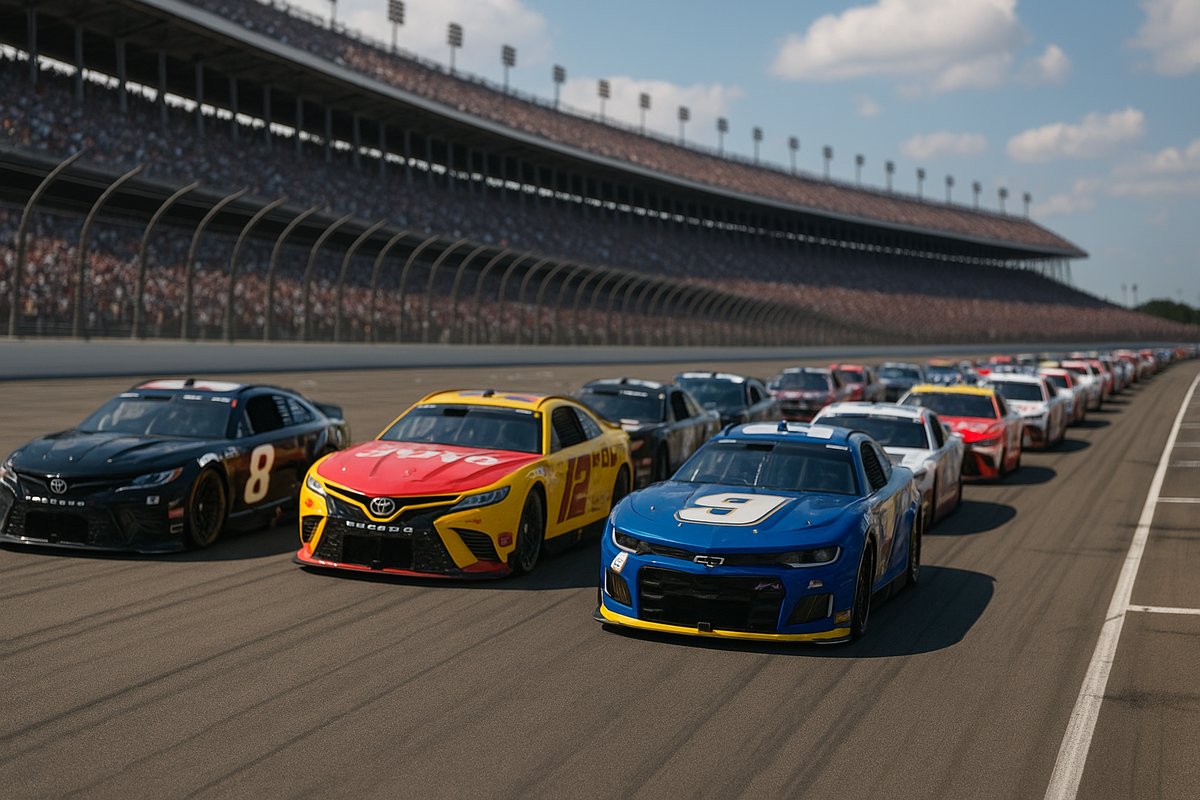
Your complete guide to Sunday’s NASCAR starting lineup covers qualifying performance, pole position details, and the strategic implications of each grid spot. Let’s break down everything you need to know before the engines fire up.
What Determines the NASCAR Starting Lineup for Sunday’s Race?
The starting lineup for NASCAR race Sunday is established through a structured qualifying process that tests each driver’s single-lap performance. NASCAR’s qualifying format varies by series and track configuration, but the fundamental principle remains constant: fastest single lap equals front-row positioning.
For Cup Series events, the standard qualifying session typically features two rounds. Round One eliminates the slowest 25% of the field, while Round Two determines the final grid order for positions 1-12. Remaining drivers qualify based on speed, with provisionals filling any remaining spots. This multi-round format creates intense competition and separates genuine speed from track-specific advantages.
Track characteristics heavily influence qualifying results. High-speed superspeedways like Daytona and Talladega produce different aerodynamic setups than technical road courses or shorter tracks. Teams must balance risk and reward—pushing for absolute maximum speed while avoiding mistakes that could damage their vehicles or result in penalty infractions.
Understanding Sunday’s Starting Lineup Grid Positions
Grid position represents real estate on the track, and in NASCAR, location determines destiny. The pole position (starting first) offers significant advantages: clean air, first access to racing groove preferences, and psychological momentum. However, second place sometimes provides strategic benefits—the ability to draft behind the leader while maintaining optimal tire temperatures.
Front-row positioning in the starting lineup for NASCAR race Sunday typically involves cars built with qualifying-focused setups. These builds prioritize single-lap speed over race-day durability. Pole-sitter vehicles often feature aggressive aerodynamic configurations, stiff suspension settings, and maximum downforce packages designed for one perfect lap.
Mid-grid positions (spots 6-15) frequently contain competitive vehicles that qualify solidly but lack the outright single-lap speed of frontrunners. These drivers often employ race-strategy advantages—fresher tires, setup configurations optimized for 200+ laps, and positioning for strategic pit-stop timing.
How to Find the Official Sunday NASCAR Starting Lineup
Official starting lineup information appears through NASCAR’s primary channels within hours of qualifying completion. NASCAR.com publishes comprehensive grid sheets displaying:
- Complete driver names and numbers
- Team affiliations and manufacturers
- Qualifying speeds in miles per hour
- Lap times and qualifying position order
- Car numbers and pit crew assignments
Television broadcasts on Fox, NBC, and USA Network feature on-screen graphics showing the starting lineup for NASCAR race Sunday before pre-race coverage concludes. These graphics typically appear 30-60 minutes before the scheduled race start time.
NASCAR Heat mobile apps and official NASCAR social media channels deliver real-time qualifying results and starting grid updates. Subscribe to track-specific or series-specific notifications to receive instant starting lineup confirmations.
Starting Lineup Strategy: Why Grid Position Matters
Experienced NASCAR teams obsess over starting lineup positioning because track position creates compound advantages. A car qualifying third might contain a championship-caliber driver with fresher tires and superior pit-crew efficiency compared to the pole-sitter.
Sunday’s starting lineup for NASCAR race Sunday influences multiple strategic variables:
Pit Road Advantage: Front-row starters enter pit road first, gaining precious seconds in tire-changing speed and fuel-service positioning. A five-car gap on the track evaporates during yellow-flag pit stops.
Tire Conservation: Grid position affects tire wear rates. Cars starting near the back push aggressively early, degrading tire compounds faster than front-runners maintaining controlled speeds during early laps.
Fuel Strategy: Pole-position drivers often run longer initial stints, extending fuel consumption and forcing different pit-stop timing than rear-grid starters pushing for rapid advancement.
Air Quality: Leading cars encounter clean air free from turbulence created by following traffic. Rear-grid starters breathe disturbed air from upstream vehicles, reducing aerodynamic efficiency and cornering speed.
Sunday Race Starting Lineup: Cup Series vs. Truck Series Differences
Not all NASCAR starting lineups function identically. Cup Series qualifying involves 40 drivers competing for 40 positions, with maximum urgency for every single tenth of a second. Truck Series qualifying features smaller fields (typically 32-36 trucks), creating different competitive dynamics.
Craftsman Truck Series starting lineups often showcase underfunded teams competing against established organizations with superior resources. Qualifying speed gaps widen in truck racing because smaller teams lack development resources, wind-tunnel time, and engineering personnel available to major Cup Series operations.
Road-course races feature dramatically different starting lineups compared to oval-track competitions. Road-course qualifying emphasizes turn-in precision, braking performance, and corner-exit acceleration rather than pure straightaway speed.
How Penalties Affect the Sunday Starting Lineup
NASCAR inspection processes occasionally discover technical violations during pre-qualifying vehicle checks. Found infractions result in starting-lineup penalties—dropping drivers to rear positions despite qualifying performance.
Common penalties affecting Sunday’s starting lineup for NASCAR race Sunday include:
- Engine parameter violations
- Suspension geometry non-compliance
- Aerodynamic component irregularities
- Electrical system technical infractions
- Previous-race penalty carryover effects
Teams occasionally accept starting-lineup penalties strategically, swapping engines or components to utilize fresh equipment advantages. A rear-grid starting position becomes acceptable when paired with newer technology unavailable to front-running competitors.
Last-Minute Starting Lineup Changes and Adjustments
Sunday’s NASCAR starting lineup remains flexible until the green flag waves. Weather conditions, mechanical issues, driver substitutions, and equipment failures trigger last-minute adjustments.
Rain-affected qualifying sometimes produces abbreviated sessions, using previous practice speeds to determine starting positions. Mechanical failures during qualifying force backup-car usage, occasionally penalizing teams despite prepared equipment.
Driver substitutions due to illness, injury, or contract disputes create starting-lineup reshuffling. Relief drivers sometimes start from rear positions regardless of parent-team’s typical qualifying competitiveness.
Accessing Real-Time Starting Lineup Updates
Pre-race Sunday morning, NASCAR.com publishes official starting lineups with live-update capability. Television broadcasts confirm grid positions during dedicated qualifying-recap segments.
Track websites and official NASCAR social-media accounts deliver instantaneous updates whenever starting-lineup changes occur. Follow track-specific handles (@MonMotorSpeedway, @HomesteadMiami, etc.) for real-time notifications.
Fantasy NASCAR platforms incorporate starting-lineup data immediately after qualifying conclusion, allowing players to adjust lineup selections based on grid positioning and strategy implications.
The Starting Lineup for NASCAR Race Sunday: Final Thoughts
Track position matters enormously in NASCAR competition, making the starting lineup for NASCAR race Sunday far more than casual information. Grid positions represent strategic foundation upon which teams construct 200-400-lap race plans.
Elite drivers and teams view qualifying as crucial battle—not throwaway preliminaries. Pole position wins championships. Front-row positioning translates to points, stage wins, and momentum entering summer racing schedules.
Whether you’re tracking championship contenders or underfunded dark horses seeking breakout moments, Sunday’s starting lineup provides essential context for understanding how races unfold. Monitor official NASCAR channels, study qualifying speeds, and recognize that every tenth of a second in qualifying produces measurable consequences during competition.
For the latest race-week grid, see our full nascar starting lineup breakdown with pole-sitter analysis and qualifying results.
Sources
- NASCAR.com Results — Official NASCAR race results, qualifying standings, and grid positions
- ESPN Racing — NASCAR news, schedules, standings, and qualifying results
- Motorsport.com NASCAR — International motorsports coverage including NASCAR qualifying and grid information
- Racing Reference — Historical NASCAR data, race results, and qualifying records