
Understanding Stage Racing Rules in Cup Series
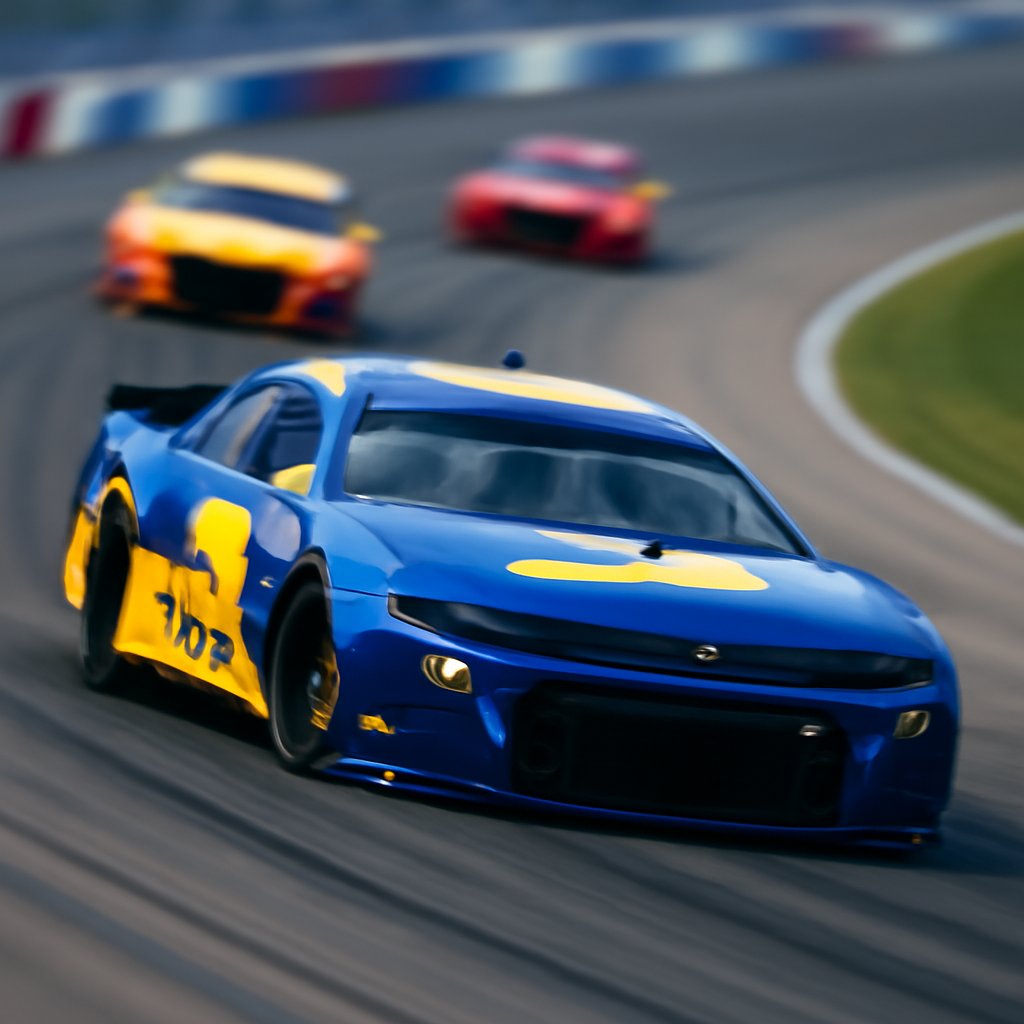
Stage racing has reshaped the commercial and competitive fabric of the Cup Series since its 2017 rollout, layering fresh points opportunities into every points-paying event while giving teams more levers to manage sponsor visibility and championship math. From the pit lane perspective, the format turned what used to be long, sometimes sleepy stretches into multiple high-stakes segments that reward precise strategy over raw speed alone.
NASCAR rolled out stages to combat softening television numbers and to inject structured drama into races that previously risked turning processional in their final miles. The breaks let crews tweak setups mid-event and created repeatable moments for broadcasters to highlight partners. What teams don’t tell fans is that those caution windows also became prime real estate for sponsor activations—short segments where logos stay front and center without the risk of a race-ending wreck erasing the exposure.
Early on, crew chiefs at places like Daytona and Talladega learned the hard way that stage-end restarts could trigger multi-car incidents if tire and fuel windows weren’t balanced correctly. Over time, the smarter organizations began treating each stage like its own mini-sprint, preserving sticker rubber for the final run while using scuffed sets earlier to protect long-run durability and the sponsor-backed equipment investment that comes with it.
Most events still split into three stages, with the first two taking roughly 25 to 35 percent of total distance and the last stage covering the remainder. A competition caution closes each segment, letting teams pit under yellow without losing track position. The stage winner pockets 10 regular points plus a playoff point—an edge that has quietly become part of the business calculus when sponsors evaluate which drivers deliver consistent media impressions across an entire season.
Points scale from 10 for first down to one for tenth in each stage, separate from the 40 base points plus five bonus points awarded to the overall winner for leading the most laps. At intermediate venues such as Texas Motor Speedway, those stage points have repeatedly decided playoff berths when several drivers finish within a few positions of one another, underscoring how the system rewards consistent top-10 execution rather than one heroic final-lap pass.
During the playoffs the dynamic intensifies. A driver can advance rounds by collecting stage points without ever taking the checkered flag, a reality that has favored consistent performers like Denny Hamlin who manage stage strategy at both road courses and short tracks. From the pit lane perspective, that consistency also protects sponsor ROI—fewer DNFs mean more airtime for primary partners across the ten-race postseason.
Smart organizations now sacrifice a stage position late in a segment to gain fresh tires for the restart, accepting a lower points haul in exchange for better track position later. Weather variables and drafting alliances at superspeedways add further complexity, because a single strategic call can swing both championship position and the visibility a sponsor receives in the closing laps. Goodyear’s fixed tire allotment forces crews to ration sticker sets, a calculation that directly ties into the business reality of stretching resources across 36 events.
Radio traffic during stages shows constant adjustments—crew chiefs reacting to tire-wear data relayed by drivers and making wedge or track-bar changes in the brief caution windows. Missteps here have cost teams stage points at Charlotte and elsewhere, reminding everyone that communication errors carry both sporting and commercial consequences.
The mathematics of stage racing extend beyond simple point totals. Teams must now calculate the long-term impact of every strategic decision within the context of their championship position. A driver sitting tenth in points might aggressively pursue a stage win to boost their position, while a leader might play it conservatively and focus on fuel mileage to ensure a strong finish. This creates divergent strategies within the same race, adding layers of intrigue that weren’t present in pre-2017 NASCAR. Fuel strategy has become particularly nuanced—some teams will deliberately run lean and fast early in a stage to secure position, knowing they’ll need a favorable caution for a splash-and-go to finish strong, while others plan for longer fuel windows that allow for pit-stop flexibility.
Superspeedway racing has been fundamentally transformed by stage breaks. At Daytona and Talladega, where fuel mileage normally allows cars to run nearly the entire event without pitting, stages force strategic pit stops that break up the running order and inject caution periods that wouldn’t naturally occur. This has actually improved safety by providing organized yellow-flag windows where teams can address mechanical issues or debris rather than racing until an inevitable incident occurs. The stage format also prevents the traditional “fuel mileage lottery” where one team’s gamble could hand an undeserved win to a car that simply had the right fuel strategy, regardless of overall competitiveness.
Road courses present unique challenges to stage racing implementation. Tracks like Road America and Circuit of the Americas feature natural passing zones and technical complexity that make stage wins highly competitive. Lead changes on road courses happen more frequently than on ovals, which historically favored drivers with superior car control and racecraft over sheer speed. Since road courses joined the full-time Cup schedule alongside stage racing, the consistency metric has become even more pronounced—a driver who can score points every segment builds a more reliable championship cushion than someone chasing one big win.
The relationship between stage racing and pit-crew performance deserves deeper analysis. Teams with faster pit-stop execution gain inherent advantages during stage breaks, where four-tire stops and fuel additions must happen with precision in tight caution windows. A crew that loses two positions on pit road during a stage break might give up 2-3 points, which could prove decisive when multiple drivers are separated by fewer than ten points entering the final races of a season. Some crews have specialized further, with certain members assigned to train exclusively on stage-break stop procedures during the offseason. This micro-specialization has created measurable gaps between elite and mid-field operations.
Key facts remain unchanged: more than 300 unique stage winners have emerged since 2017, Kyle Busch leads with 68 stage victories heading into 2024, and playoff drivers finishing in the top five in regular-season stage points reach the Round of 8 78 percent of the time. Short tracks generate the highest average stage points per race due to frequent lead changes, while road-course stage wins have risen 40 percent since Circuit of the Americas and Road America joined the schedule. Only four drivers—Martin Truex Jr., Kyle Larson, Joey Logano, and Chase Elliott—have swept all three stages in one event. Caution laps during stage breaks average 12 to 15 per race, adding strategic depth without meaningfully inflating total event length.
Ultimately, organizations that treat every stage as a separate business objective—maximizing points, protecting equipment, and delivering sponsor impressions—continue to rise in the standings. The format has delivered the sustained action and multiple storylines that keep the Cup Series commercially relevant from green flag to checkered flag. Teams that excel recognize that stage racing isn’t a distraction from the championship fight—it’s become the primary vehicle through which championships are won, one calculated segment at a time.