
Profile of Ryan Blaney’s Breakout Performances
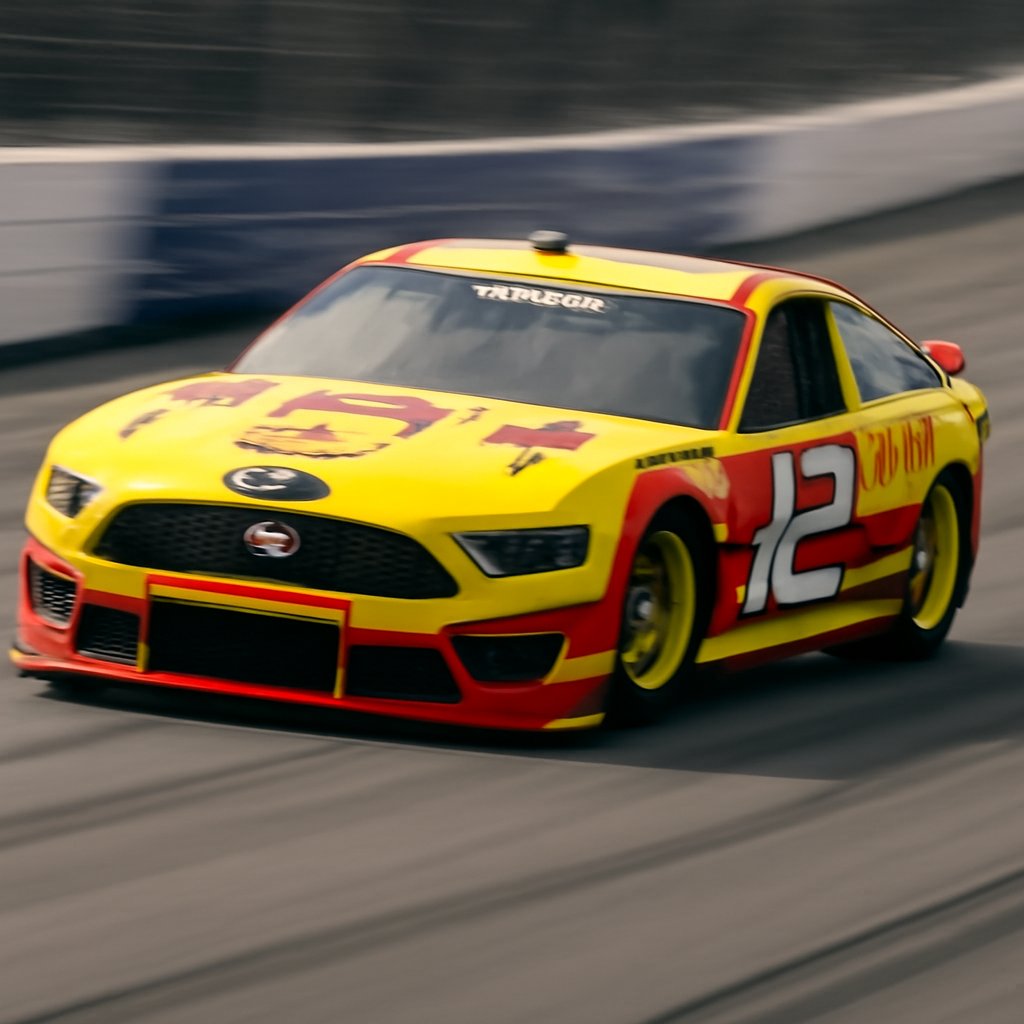
Ryan Blaney’s rise through the NASCAR Cup Series has been as much about strategic positioning and sponsor leverage as it has been about raw speed. From the pit lane perspective, his breakout moments have repeatedly shown how a driver can elevate an entire organization’s marketability, turning consistent results into long-term partnerships that keep cars on the track.
Blaney’s early Cup Series appearances in 2014 quickly signaled that limited starts could still generate outsized returns. His superspeedway runs stood out because teams could deploy aggressive drafting strategies without excessive risk to equipment. What teams don’t tell fans is that those early top finishes often serve as proof points for sponsors evaluating whether a young driver can deliver the exposure needed to justify multimillion-dollar deals.
His partial rookie campaign produced a notable top-10 at Talladega, which helped attract the kind of attention that accelerates contract negotiations. By 2016, the move to a full-time ride coincided with his first pole and multiple top-five results. Those performances proved his adaptability across short tracks and intermediates, giving Team Penske the data it needed to align his car setups with sponsor activation opportunities throughout the season.
Standout victories followed, many built around late-race strategy calls such as fuel-mileage gambles that protected both the win and the team’s points investment. At Indianapolis Motor Speedway, Blaney executed a precise plan that accounted for traffic and tire management, a reminder that modern Cup racing rewards preparation as much as aggression. Similar results at Pocono Raceway and Michigan International Speedway highlighted his qualifying strength and ability to hold position on long green-flag runs, metrics that directly influence how sponsors measure return on investment.
The 2023 championship run underscored how individual breakout performances compound into organizational strength. Through the playoffs, calculated moves at Martinsville and Phoenix allowed Team Penske to advance while protecting its three-car competitive balance. Blaney’s work with crew chief Jonathan Hassler added another layer of operational efficiency that sponsors notice when evaluating long-term commitments.
Key facts from his career include his first Cup win in 2017 at Pocono after starting from the pole, 10 total victories by the end of the 2023 title season, and his strongest average finish that year with top-10 results in more than 60 percent of races. Multiple top-fives at Daytona and Talladega demonstrated superspeedway strength, while Xfinity Series Rookie of the Year honors preceded his full-time Cup transition. He has now started more than 300 Cup events with over 50 top-10 finishes as of late 2024, and his championship campaign featured eight playoff wins across the rounds. Road-course results at places like Watkins Glen further diversified his statistical profile.
Understanding Blaney’s breakout performances requires examining the technical evolution of his driving style. Early in his career, Blaney demonstrated exceptional car control in high-speed corners, a skill that became increasingly valuable as aerodynamic regulations tightened and margin for error decreased. His ability to extract maximum performance from qualifying trim—often lighter fuel loads and specialized setup configurations—translated directly into starting position advantages that compounded throughout race weekends. This qualifying prowess has been one of his most consistent strengths, frequently placing him in the top 10 starting positions and occasionally securing front-row starts that set the tone for his race day.
The transition from Xfinity Series competition to full-time Cup Series racing can derail many promising drivers, but Blaney’s methodical approach to learning tracks and adapting to heavier, more complex race vehicles helped him avoid the sophomore slump that claims numerous talents. His engineering communications improved noticeably between 2016 and 2017, suggesting that his breakout win at Pocono wasn’t merely a product of favorable circumstances but rather the result of accelerated technical understanding. Crew chiefs at Team Penske recognized his capacity to process setup changes and translate feedback into measurable improvements, making him an increasingly valuable asset in the organization’s development pipeline.
Blaney’s superspeedway performances deserve particular attention when discussing his breakout moments. Daytona and Talladega present unique challenges where individual speed matters less than situational awareness and team coordination. Blaney’s success in these venues—including multiple top-five finishes and the ability to position himself for late-race opportunities—reflects his understanding of traffic dynamics and his willingness to make calculated moves that balance risk and reward. His 2023 performances at these tracks demonstrated maturity in judgment, particularly in the final laps when championship points are most heavily weighted toward aggressive but not reckless racing.
The relationship between Blaney and his pit crews has also contributed significantly to his breakout performances. Pit stop execution in modern NASCAR determines races as often as on-track speed, and Blaney’s cars have consistently benefited from quick service and minimal penalties. Fast four-tire changes, efficient fuel stops, and accurate tire pressures set by his over-the-wall crew have repeatedly positioned him competitively in the closing stages. This institutional excellence within Team Penske’s operation has amplified the impact of Blaney’s raw talent.
His road-course development represents another dimension of his breakout trajectory. As NASCAR expanded road-course content in the Cup Series schedule, Blaney adapted successfully to courses like Watkins Glen and Road America. These specialized events require different braking techniques, late-apex corner entry, and sustained focus over extended green-flag sequences. His competitive showings at these venues proved he wasn’t a one-dimensional speedway specialist but rather a well-rounded driver capable of excellence across multiple track configurations.
The 2023 season championship campaign particularly showcased how Blaney’s consistent excellence translates into championship-level performances when the stakes intensify. Playoff racing demands flawless execution and the ability to manage pressure, and Blaney’s eight playoff victories demonstrated his capability to elevate his performance during critical moments. His approach—focused on maximizing points while avoiding catastrophic mistakes—reflected maturity and championship awareness that wasn’t as evident in his earlier career phases.
Looking at Blaney’s statistical trajectory, the consistency of his top-10 finishes provides perhaps the most telling indicator of sustainable breakout success. While spectacular wins capture headlines, the ability to finish in the top 10 race after race, regardless of car competitiveness or track characteristics, reveals a driver who has transcended the “breakout” phase and entered genuine contention territory. This consistency has made him invaluable to Team Penske’s championship pursuits and increasingly predictable as a source of points accumulation.
Blaney’s contributions have reinforced Team Penske’s standing in the points and helped sustain the kind of sponsor ecosystem that keeps the organization at the front of the grid. His trajectory continues to illustrate how breakout performances, when paired with sound strategy, create lasting value in a sport where business outcomes and on-track results are increasingly intertwined. As he continues his career, the foundation established through these early breakout moments positions him as a central figure in NASCAR’s competitive landscape for years to come.