
Charlotte Motor Speedway History and Layout
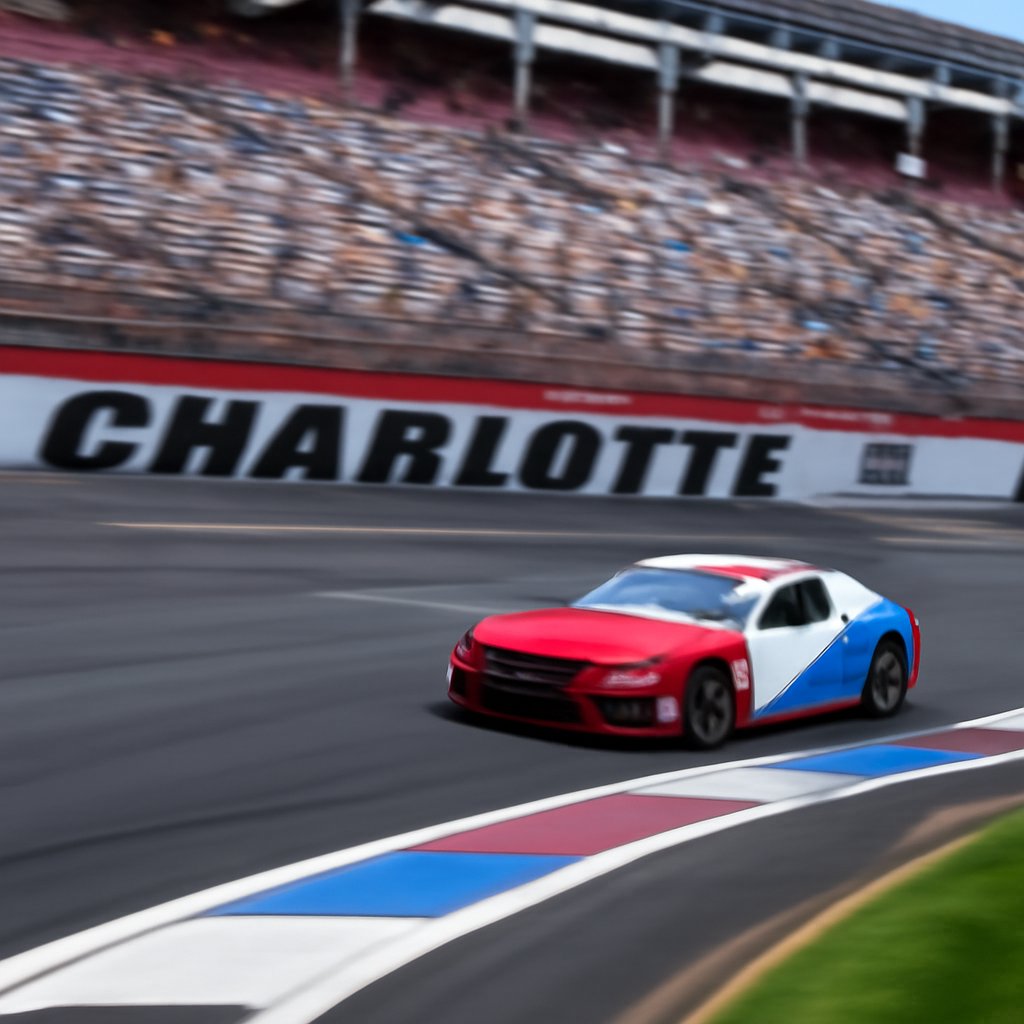
Charlotte Motor Speedway has long stood as a cornerstone of the NASCAR Cup Series, where a 1.5-mile quad-oval in Concord, North Carolina, has delivered both high-stakes competition and substantial returns for track owners and title sponsors alike. Since its debut in 1960, the facility has anchored Memorial Day weekend with the Coca-Cola 600, a 600-mile points event that showcases how strategic tire management and aerodynamic tweaks translate directly into sponsor visibility and team ROI.
From the pit lane perspective, what teams don’t tell fans is that early ownership by Bruton Smith and Curtis Turner was as much about real-estate leverage as racing prestige; their 1,000-acre investment positioned the speedway to capture both gate revenue and long-term media rights. The first World 600 on June 19, 1960, set the template, and subsequent milestones such as the 1992 introduction of night racing turned the venue into a year-round entertainment asset that Speedway Motorsports continues to monetize through premium seating packages and corporate hospitality.
The quad-oval itself rewards precise engineering decisions. Its 2,370-foot frontstretch and 1,755-foot backstretch, paired with progressive banking that runs five degrees on the straights and climbs to 24 degrees in the turns, allow speeds above 180 mph in qualifying while demanding conservative throttle application during long green-flag runs. The 1975 infield road course addition further diversified revenue streams by accommodating sports-car events and extra testing days. Teams often favor a low groove through turns one and two before migrating higher in three and four, a line that balances short-run speed against the tire wear that can erode a sponsor’s on-track branding if a late caution fails to materialize.
What teams don’t tell fans is that the Coca-Cola 600 and the Bank of America Roval 400 are scheduled with sponsor calendars in mind, maximizing television windows and activation opportunities. Record crowds topping 176,000 in 1996 underscored the venue’s commercial pull, while today’s approximate 95,000-seat capacity still supports robust suite sales and activation zones. Multiple winners such as Darrell Waltrip (ten victories), Jimmie Johnson, and Kyle Busch have demonstrated mastery of restart positioning and pit strategy, elements that frequently decide whether a primary sponsor’s paint scheme ends up in victory lane or simply in the highlight reel.
Key operational details remain unchanged: the track measures exactly 1.5 miles, the Coca-Cola 600 covers 400 laps, and current ownership under Speedway Motorsports keeps the facility aligned with evolving broadcast and sponsorship demands. From the pit lane perspective, Charlotte continues to serve as a proving ground where rookies learn that managing both the racing line and the business of the race weekend is essential for long-term Cup Series viability.
The evolution of Charlotte Motor Speedway reflects broader trends in NASCAR facility management and modernization. Throughout the 2000s and 2010s, the track underwent significant renovations to enhance the fan experience and accommodate contemporary broadcast requirements. The installation of updated suites, improved concourse facilities, and enhanced Wi-Fi connectivity positioned Charlotte as one of the more amenity-rich venues on the circuit. These upgrades were essential not merely for comfort but for attracting the corporate partnerships that underpin modern NASCAR economics.
The Roval configuration, which debuted as a NASCAR Cup Series venue in 2018, represents perhaps the most significant track layout evolution in Charlotte’s history. By incorporating the 1.3-mile infield road course with the traditional oval configuration, the venue created a hybrid 2.28-mile layout that tests a different skill set from traditional oval racing. The Roval demands precision braking, smooth turn-in, and racecraft reminiscent of road course specialists, yet it still rewards the aerodynamic setup and tire management expertise that Charlotte’s oval portion demands. This duality has produced unpredictable outcomes, with both veteran road course runners and pure oval racers finding success depending on fuel strategy, pit crew execution, and real-time adjustments to vehicle balance.
Banking angles throughout Charlotte’s oval prove instrumental in determining racing characteristics across different segments. Turns one and two feature 24 degrees of banking, while turns three and four maintain the same angle, creating consistent high-speed capability around the entire circuit. However, subtle differences in surface texture and tire degradation patterns mean that teams must continually reassess their setup choices as the race progresses. Early-race qualifying trim may sacrifice long-run stability for single-lap speed, while fuel-mileage runs late in the event require conservative aerodynamic configurations that compromise outright pace but maximize fuel efficiency—a calculus that separates championship contenders from mid-field competitors.
Tire strategy at Charlotte presents a perpetually evolving puzzle that Goodyear and teams address through extensive pre-race testing and real-time telemetry analysis. The Coca-Cola 600’s 400-lap distance means that pit strategy windows shift based on fuel consumption rates, caution-flag timing, and competitors’ strategic decisions. Teams must decide whether to stretch fuel and tires to gain track position or pit conservatively to ensure reliability during the final laps when vintage racing often determines outcomes. The most successful Charlotte winners typically demonstrate adaptability, adjusting their approach based on track conditions that evolve from late afternoon through evening as temperatures drop and tire characteristics shift.
The Bank of America Roval 400, held in the fall, adds another dimensional layer to Charlotte’s significance in the NASCAR schedule. By scheduling this event in late September or early October, NASCAR capitalizes on favorable weather conditions while positioning the race as a potential playoff wild card for teams fighting for playoff positioning. The Roval’s variable layout demands that teams essentially prepare two vehicles’ worth of setups, with oval specialists potentially facing disadvantages against road course-experienced drivers. This competitive uncertainty has produced thrilling finishes and demonstrated that even established favorites cannot guarantee victory at Charlotte given the track’s multifaceted demands.
Safety infrastructure at Charlotte has evolved substantially since the facility’s 1960 inception. Modern SAFER barriers line the frontstretch and critical sections of the oval, while the infield road course features additional safety considerations including tire barriers and expanded run-off areas. These improvements reflect both regulatory mandates from NASCAR and the facility’s commitment to protecting competitors while maintaining the high-speed spectacle that draws fans and sponsors alike. The combination of facility safety and competitive edge has made Charlotte a marquee venue where teams invest substantial resources in preparation and execution.
Historical significance extends beyond on-track competition; Charlotte Motor Speedway has served as a training ground for generations of NASCAR drivers. Rookie orientation programs, pre-season testing sessions, and various racing events throughout the year provide opportunities for emerging talent to acclimate to the facility’s unique characteristics. Many drivers credit their early Charlotte experiences with establishing fundamentals in aerodynamic sensitivity, tire management, and strategic decision-making that propelled them toward Cup Series success.