
How Young Drivers Break Into Cup Series
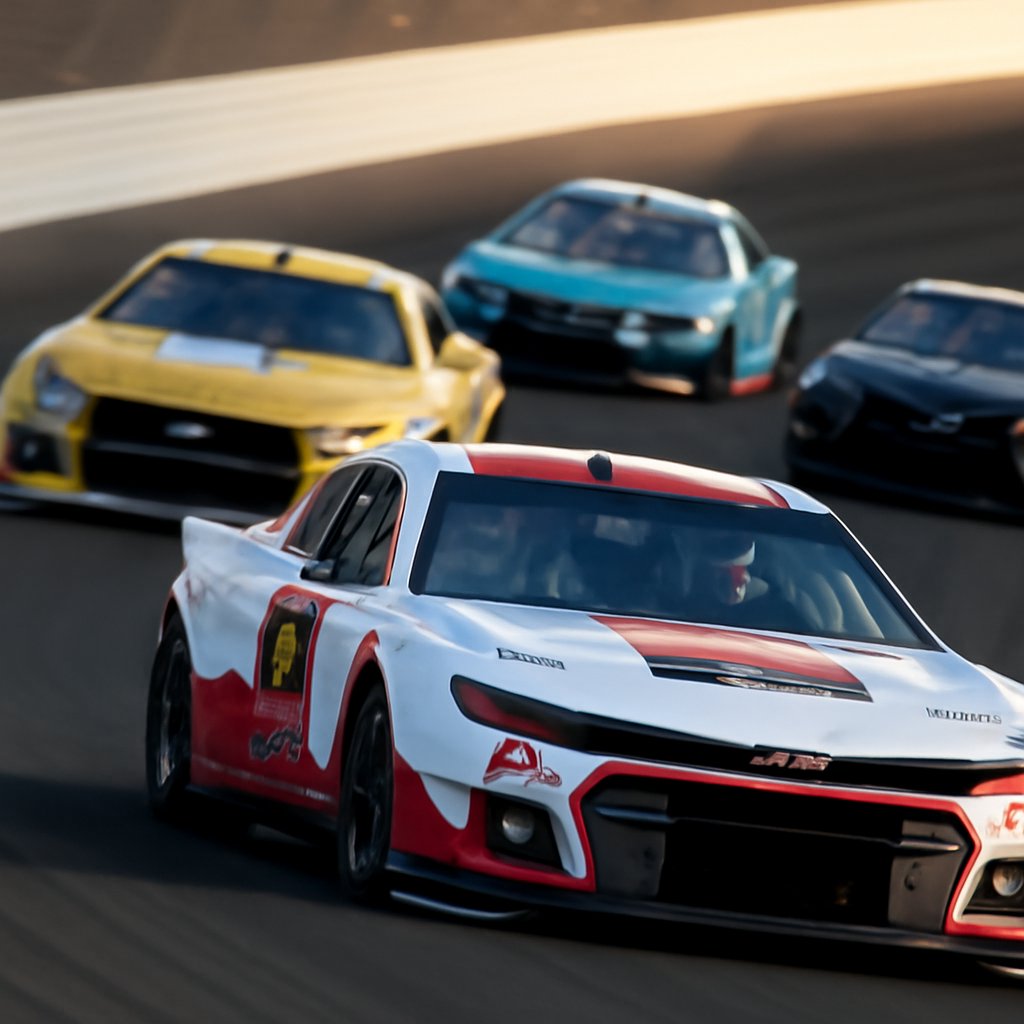
Breaking into NASCAR’s Cup Series demands more than raw speed from young drivers—it hinges on calculated progression through the developmental ladder, sharp team strategy, and the ability to deliver measurable value to sponsors whose backing often determines who lands a full-time seat. From the pit lane perspective, the most promising talents combine on-track results with off-track marketability that aligns perfectly with team budgets and brand objectives.
The path typically starts in karting programs well before age ten, where fundamentals like throttle control and tire management are honed on short circuits. Those who excel move into Legends cars or late-model stock divisions at local tracks, using weekly races to build resumes that catch the eye of scouts from larger organizations. What teams don’t tell fans is how early financial commitments from regional sponsors can accelerate this phase, turning promising juniors into prospects with professional polish before they even reach national series. The competitive landscape at the grassroots level has become increasingly sophisticated, with some families investing in professional coaching, data analysts, and multi-state travel schedules to maximize exposure and development opportunities. Karting success at the national level—particularly in series like World Karting Championship qualifiers—can open doors to attention from major NASCAR organizations years before a driver reaches high school age.
Advancing to ARCA Menards and the Craftsman Truck Series introduces superspeedway experience and heavier equipment, where adaptability becomes a key differentiator. Drivers such as Carson Hocevar and Corey Heim have leveraged strong finishes and pole runs here to attract Cup attention, pairing performance data with the kind of consistent sponsor activation that helps teams justify long-term investments. Truck Series rides often serve as proving grounds for both vehicle setup feedback and the business acumen required to manage media obligations alongside race weekends. The Truck Series, in particular, has become a critical filter where teams evaluate not just raw speed but consistency over full seasons. Drivers who accumulate top-five finishes, lead laps, and pole positions demonstrate the reliability that Cup team owners demand. Additionally, the Craftsman Truck Series operates at tracks ranging from tight half-miles to massive superspeedways, giving young drivers invaluable experience managing vastly different vehicle dynamics and competitive strategies. Teams use Truck Series competition to identify which prospects possess the mental toughness to handle adversity, adapt to changing track conditions, and communicate effectively with engineers about vehicle setup adjustments.
The Xfinity Series functions as the final filter before Cup, where larger purses and heightened scrutiny test a driver’s capacity to deliver setup insights that improve team strategy. Securing rides with outfits like JR Motorsports or Kaulig Racing frequently depends on sponsor alignment, as primary partners evaluate not only lap times but also social reach and fan engagement metrics. Recent standouts including Tyler Reddick, who rose through late models and Trucks, and Chase Briscoe, whose Xfinity wins translated into a Cup opportunity, illustrate how sustained results across multiple seasons convert into marketable assets for top organizations. The Xfinity Series has evolved into a proving ground where NASCAR evaluates not just driving talent but also a competitor’s ability to handle the pressure of primetime television broadcasts, post-race interviews, and complex sponsorship activation events. Success in the Xfinity Series increasingly requires drivers to demonstrate mastery of intermediate and superspeedway racing, where pack racing dynamics and fuel mileage strategies play outsized roles in determining winners. Teams have noticed that Xfinity competitors who excel at these track types transition more smoothly to Cup Series competition, where superspeedway races like Daytona and Talladega account for a significant portion of the schedule.
Over 70 percent of current Cup Series drivers began in karting before age 12. The average rookie age has fallen to 22 in recent seasons versus 26 a decade ago. ARCA Menards graduates now account for 15 active full-time Cup drivers as of 2024. Securing primary sponsorship typically requires raising between $2 million and $5 million annually for a rookie campaign. Drivers with at least three Xfinity victories usually receive Cup offers within two years. Short-track experience remains essential, with 85 percent of Cup champions having competed extensively in late models. Family-owned teams have launched the careers of 12 current Cup Series drivers.
The role of NASCAR’s official driver development programs cannot be overlooked in this progression. The NASCAR Drive for Diversity program, which specifically targets underrepresented demographics in racing, has successfully channeled talent from non-traditional backgrounds into the developmental pipeline. The program provides mentorship, funding assistance, and prioritized ride opportunities across multiple series levels, demonstrating how structural support can accelerate advancement for drivers who might otherwise lack access to premium equipment or coaching. Similarly, the NASCAR Next initiative identifies and supports emerging talent by providing resources, visibility, and guidance that help promising young drivers navigate the increasingly complex business side of professional racing.
Financial realities cannot be separated from on-track performance when discussing Cup Series entry. A young driver competing at the Xfinity or Truck Series level must typically contribute between $500,000 and $2 million annually toward their ride from personal sponsorship deals, family backing, or investor relationships. This financial burden creates a dual pressure: drivers must simultaneously perform at elite levels while continuously networking with sponsors and corporate partners. Top teams have begun hiring dedicated sponsorship managers for promising prospects, recognizing that the business development component is no longer secondary to driving talent. Young drivers who understand this reality early—and who possess either personal connections to business networks or the charisma to build them—gain substantial competitive advantages over equally talented peers who view sponsorship as purely transactional.
Team selection itself dramatically influences a young driver’s trajectory. Securing a ride with a top-tier Xfinity or Truck Series organization versus a mid-pack operation can determine whether a driver accumulates the pole positions, top-five finishes, and lead-lap experience that catches Cup team attention. Organizations like Joe Gibbs Racing, Team Penske, and Hendrick Motorsports maintain robust driver development programs specifically designed to identify and elevate future Cup talent. These premier operations provide not only superior equipment but also coaching from former drivers, advanced data analysis, and direct pathway conversations with Cup team decision-makers. A young driver who spends three seasons with one of these organizations learns race craft at the highest developmental level available short of Cup competition, absorbing lessons about fuel strategy, tire management, and competitive positioning that competitors at smaller operations must discover through trial and error.
Ultimately, the route to Cup success rests on structured advancement, disciplined work ethic, and partnerships that balance performance with commercial viability. Aspiring drivers who treat sponsor development and personal branding as core components of their strategy position themselves to thrive as the series evolves and new opportunities emerge for those ready to deliver both speed and business results. The most successful recent Cup Series additions have been those who recognized early that professional racing in the modern era requires treating oneself as a comprehensive business package—one that combines on-track excellence with media savvy, fan engagement, and sponsor value delivery. Young drivers willing to invest in personal development, public speaking skills, and community involvement alongside their driving training significantly improve their odds of securing the full-time Cup Series opportunity they’ve worked toward since childhood.
Sources
- NASCAR.com – Official NASCAR news and driver development information
- ESPN Racing – NASCAR coverage and driver career tracking
- Motorsport.com – NASCAR Cup Series analysis and driver profiles
- NASCAR Craftsman Truck Series – Official feeder series information
- NASCAR Xfinity Series – Official developmental series coverage