
NASCAR Green Flag Pit Strategy Tips
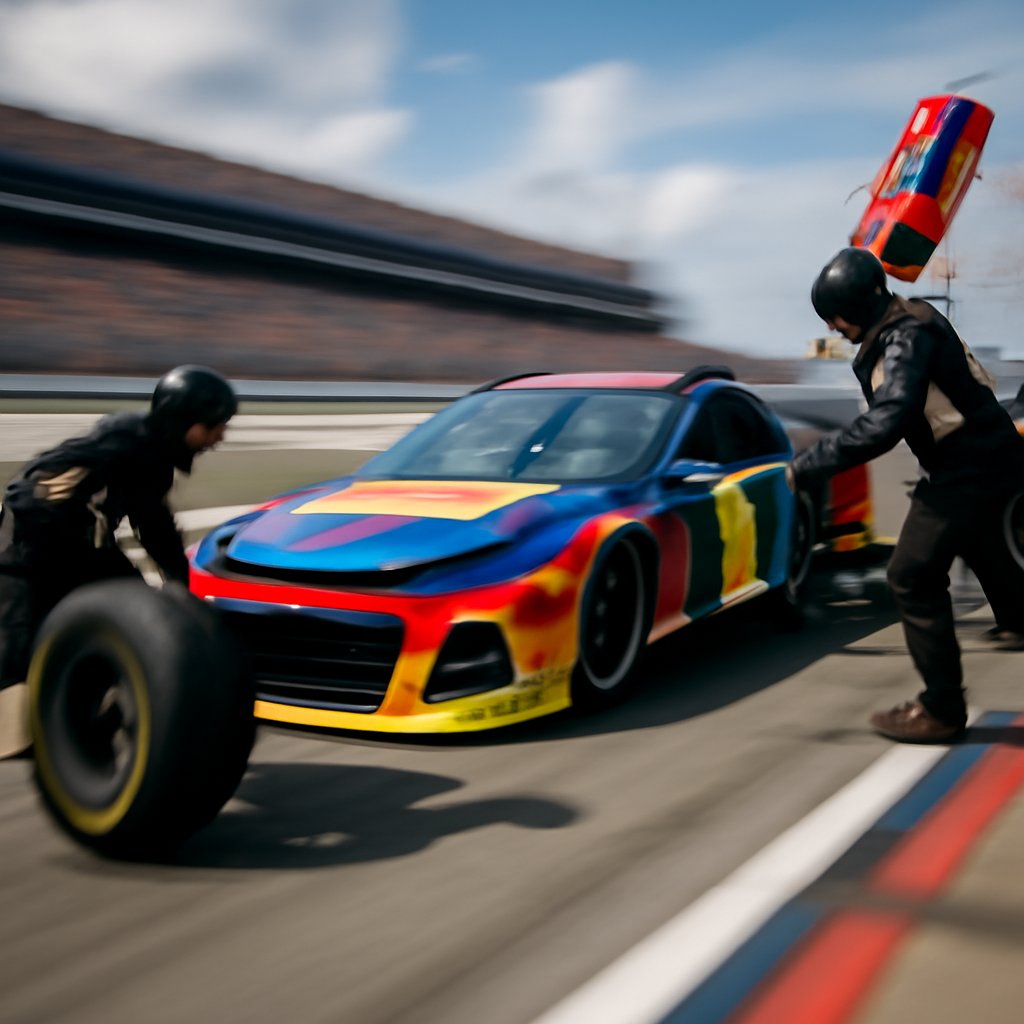
Man, those green flag pit stops in the Cup Series can make or break a whole afternoon of racing, especially when the field stays strung out for lap after lap without a yellow to bunch everybody up. Growing up in Charlotte, NASCAR wasn’t a hobby — it was life, with my granddaddy hauling me trackside at Charlotte Motor Speedway before I could even spell “pit road.” My grandfather watched this track get built, and he always said the real heroes weren’t just the drivers but the crews who could nail a stop while everybody else was flying by at full song.
The basics come down to timing everything perfect when the green stays out. You’ve got the driver, the crew chief, and the over-the-wall gang working like a well-oiled machine to decide exactly when to dive in, whether it’s fuel only, two tires, or the full four. Unlike a caution that packs the pack, these stops mean losing time on pit road while the leaders keep marching. Veterans like Denny Hamlin and Kyle Busch have made a living off feeding real-time tire wear info back to the box so the calls stay sharp. Teams spend practice laps dialing in entry speeds and jack-man timing so the whole thing clocks under 12 seconds on average.
Track type changes everything. At superspeedways like Daytona or Talladega, fuel mileage rules the day because those big engines drink it down fast. Short tracks and intermediates like Charlotte put the focus on tire management so the car doesn’t go tight or loose in the closing laps. Crew chiefs pull up old race data from similar events to figure how far a set can stretch, keeping you from pitting too soon and giving up spots or waiting too long and running dry.
When it gets deeper, it’s all about lap-by-lap math with traffic, the weather, and knowing what the other teams tend to do. A driver might wait till lap 45 in a 50-lap window to come out with clean air and a run at the car ahead. Spotters stay busy on the radio calling gaps and undercuts. We’ve seen at places like Texas how an aggressive two-stop plan under green can beat a safer three-stop approach every time.
Drivers each have their own style. Chase Elliott likes to save his rubber for a late charge, while Martin Truex Jr. has pulled off some bold fuel-mileage plays that looked crazy until they worked. Pit crews drill on fixing loose wheels or dodging debris so the exit stays clean and the car stays strong for the next 40 or 60 laps.
It all plays out different depending on the venue. Road courses like Watkins Glen mean worrying about brakes and tire compounds on those elevation changes. Intermediate tracks like Kansas reward splitting fuel just right to stretch a run past the leaders. History shows the winners often undercut by pitting a lap earlier and jumping multiple cars on the way back out. If a rival is due on lap 82, coming in on 80 can steal the lead until the next cycle, but it takes total trust between driver and strategist. In playoff elimination races, those green-flag gambles get even wilder, with crews sometimes rolling the dice on older tires hoping a late caution saves them.
A few numbers tell the story straight: the average green-flag stop in the Cup Series runs 11.8 seconds when it’s perfect, and that can swing a finish by up to five spots. Denny Hamlin has grabbed 12 wins in the last five seasons partly because his crew chief makes the right calls. At Phoenix Raceway, four-tire green-flag stops have led to victory 68 percent of the time over the last decade. Fuel windows usually sit between 38 and 52 laps depending on the layout. Undercut moves gain net positions 42 percent more often than overcut plays during long green runs. And teams that practice these stops at least twice a weekend shave off about 0.7 seconds on average.
Understanding tire degradation is absolutely critical when planning green-flag strategy. Modern NASCAR Cup Series tires lose grip gradually as they age, and the rate of degradation varies wildly depending on track surface, weather conditions, and driving style. A crew chief needs to know whether a set of tires can handle 45 laps or just 35 before the driver starts complaining about loose handling on corner exit. Weather throws another wrench into the works—a sudden temperature drop can actually help tire grip, while intense heat can accelerate wear exponentially. Teams monitor tire pressures and temperatures throughout the race, adjusting pit strategy on the fly based on real telemetry data coming off the car every few laps.
The communication loop between driver and crew chief during green-flag stretches is where the magic happens. A good driver will report specific feedback—”loose in the center, okay on exit” or “tight in turns three and four”—that tells the engineer exactly how the tires are performing. Some drivers are notorious for being overly cautious with their feedback, while others like Brad Keselowski have built reputations for brutally honest real-time assessments. This honesty directly impacts whether a crew chief decides to pit early or stretch the fuel window another 10 laps. The best teams have developed shorthand language so pit box communication happens in seconds rather than minutes.
Pit crew athleticism deserves mention because it directly affects strategy success. A tire changer who can get a wheel off and a fresh one bolted on in under 5 seconds can change everything about a race outcome. Teams invest heavily in conditioning and repetition—some crews practice pit stops 200+ times per week during the season. The over-the-wall guys are often as athletic as the drivers themselves, with specific conditioning programs that build explosive power and cardiovascular endurance. A 0.1-second improvement in pit stop time can mean the difference between exiting pit road in fifth place versus seventh, which compounds throughout the remaining laps.
Fuel strategy calculations have become increasingly sophisticated thanks to onboard telemetry. Modern NASCAR teams can predict fuel consumption to within a tenth of a gallon across different track segments. They know that accelerating onto the straightaway burns more fuel than cruising through the turn, and they factor in wind conditions that might affect drag. Some crew chiefs will actually radio instructions to drivers during long green runs to optimize fuel consumption—”lift off the throttle earlier down the back” or “coast through turn two.” These micro-adjustments can extend a fuel window by 3-5 laps, which might just be the difference between beating a competitor to the next pit window.
Two-tire versus four-tire stops represents one of the biggest strategic decisions in green-flag racing. Coming in for just two fresh tires takes roughly 8-9 seconds and gets you back out faster, preserving track position better than a full four-tire stop. However, you’re leaving two worn tires on the car, which can hurt handling and acceleration on exit. A four-tire stop takes 11-12 seconds but gives you maximum grip for the next stint. Smart crews will often use two-tire stops when track position is critical and the stint won’t be super long, then switch to four-tire stops as tire wear becomes more of a factor. Some legendary crew chiefs have made their reputation on perfectly timed mixed strategies that confused competitors all afternoon.
Weather impacts pit strategy in ways many casual fans don’t appreciate. A sudden wind shift can change how much downforce the car generates, affecting both fuel consumption and tire wear rates. Rain in the forecast might push a crew chief to pit earlier, wanting everyone on fresh tires before conditions deteriorate. Conversely, if dry conditions look secure, teams might stretch green-flag runs longer to gain track position before mandatory yellow-flag cautions. Temperature swings throughout the day also matter—morning cool-down periods allow tires to perform differently than afternoon heat, so what works at lap 20 might not work at lap 80.
The psychological element of green-flag pit strategy shouldn’t be underestimated either. Drivers know their competitors’ tendencies and often anticipate when rival teams will pit. Some drivers will intentionally run conservatively early to bait competitors into pitting, then turn it up once they know they have a clear track window. This mind game between drivers and crew chiefs across different teams creates the chess match that makes NASCAR so compelling. A gutsy call to stay out one more lap while everyone expects you to pit can earn you positions that would normally take five laps to drive down.
Mastering this side of the sport is what separates the champs from everybody else. Precise timing, knowing every inch of tracks from Charlotte to Daytona to Talladega, and that tight driver-crew bond turn every green-flag run into a chance to gain ground. The data and the history keep guiding the calls that deliver those wild finishes we all live for.