
Igniting the Track: How NASCAR Next Gen Cars Are Redefining Performance
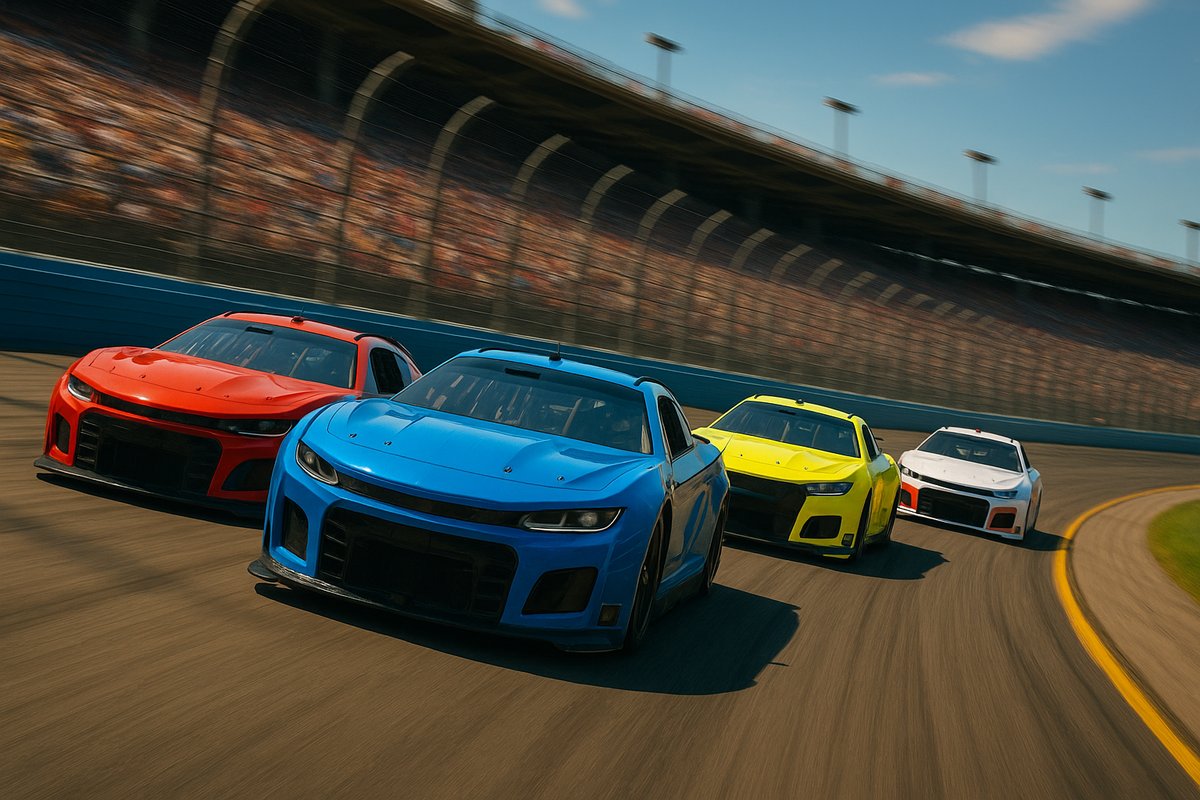
The rollout of NASCAR’s Next Gen platform has done more than alter on-track handling; it has recalibrated how teams balance performance budgets with the commercial demands of their partners. Manufacturers and charter organizations alike are now working within tighter technical parameters that reward data-driven decisions over seat-of-the-pants adjustments, a shift that directly influences where sponsor dollars are allocated across the season.
From the pit lane perspective, the standardized chassis and independent rear suspension have compressed the traditional advantage once held by teams with deeper fabrication resources. Strategy sessions now revolve around optimizing the spec parts package for specific track types rather than building bespoke components, which in turn affects how crews manage tire allocations and fuel windows under the new aerodynamic rules.
What teams don’t tell fans is that these regulatory changes also streamline activation opportunities for sponsors. With more uniform body styles and predictable downforce profiles, branding visibility on camera becomes more consistent weekend to weekend, reducing the variability that once complicated ROI calculations for primary partners. That predictability is already shaping multi-year deals, as marketing departments can forecast exposure metrics with greater accuracy.
The Next Gen car itself represents a fundamental reimagining of how NASCAR machines are engineered. Introduced in 2022, the platform features a lighter overall structure—approximately 100 pounds lighter than its predecessor—while maintaining the aggressive aesthetic that fans expect. The independent rear suspension marked the biggest departure from tradition, replacing the solid axle setup that had defined NASCAR racing for decades. This change alone transformed how drivers approached corners, requiring a complete recalibration of driving techniques across the entire field. Teams that adapted quickest to the new suspension geometry gained immediate competitive advantages, particularly on road courses where the independent rear suspension’s ability to handle lateral loads made a measurable difference in lap times.
Power delivery changed as well. The Next Gen platform introduced a 5.8-liter V-8 engine producing approximately 670 horsepower—a modest decrease from previous generations but paired with a new aerodynamic package designed to reduce downforce while maintaining side-force stability. This reduction in downforce fundamentally altered how cars behave in traffic, making side-by-side racing more challenging but also more rewarding when drivers execute clean passes. The smaller front and rear wings, along with a shortened rear spoiler, force crews to make more strategic choices about setup adjustments throughout the weekend.
Race operations have adapted accordingly. Crew chiefs are reallocating engineering hours toward simulation work that models both mechanical reliability and the commercial implications of component failures—lost track time now carries a higher opportunity cost when a sponsor’s livery is involved. The result is a more deliberate approach to practice schedules and qualifying setups, where the goal is not just a fast lap but a configuration that protects the car’s longevity for the full event distance.
The tire situation deserves particular attention in the Next Gen era. Goodyear developed an entirely new tire compound specifically for this platform, and teams have spent considerable resources understanding how tire wear patterns differ from previous years. The lighter weight and altered suspension geometry mean tires heat up and cool down differently, creating new windows where pit stops become strategically advantageous. Some teams have built competitive advantages simply through superior tire management protocols—understanding exactly when to pit before their tires drop off versus pushing another cycle to gain track position.
Fuel economy has also emerged as a strategic lever that wasn’t as pronounced before. The new engine package is slightly more efficient, but more importantly, the reduced overall weight means fuel mapping becomes increasingly critical as the race progresses. Late-race fuel mileage scenarios have decided more races in the Next Gen era than ever before, with teams running calculated fuel conservation strategies in the final laps that would have seemed unimaginable in previous generations. A crew chief who miscalculates fuel consumption might leave a podium finish on the table, making this dimension of race strategy equally important as tire and pit-stop execution.
Track-specific performance variations have become more pronounced under Next Gen regulations. The standardized package means that setup differences between competitors are narrower than they’ve ever been, so the cars that perform best on certain track types tend to do so consistently. High-downforce tracks like Bristol reward aggressive braking zones and exit grip, while low-downforce tracks like Las Vegas emphasize aerodynamic efficiency and fuel consumption. This has created a new challenge for teams entering tracks where they historically struggled—the standardized platform offers less opportunity to mask fundamental weaknesses through clever engineering workarounds.
Ultimately, the Next Gen era underscores how tightly performance and commerce are now intertwined in NASCAR. Teams that treat the car as both a racing tool and a mobile marketing asset are positioning themselves for sustained backing, while those slow to adjust risk watching both lap times and partner commitments slip. The teams that have thrived in this environment understand that success requires coordinated efforts across engineering, operations, and business development. A fast car means nothing if the driver can’t stay in it due to mechanical failure, and even the best performance won’t secure sponsor renewals if the team can’t deliver measurable exposure on television broadcasts.
Looking ahead, the Next Gen platform will continue evolving. NASCAR has already introduced adjustments based on early competition data, and manufacturers are constantly refining their engine development programs within the regulatory boundaries. Teams that invest in understanding the nuances of this platform—the suspension geometry, tire dynamics, engine tuning, and strategic depth—will be the ones celebrating in victory lane. The Next Gen car has democratized NASCAR in some ways, but it has also created new hierarchies based on adaptability, data analysis, and the ability to squeeze marginal gains from a tightly-controlled regulatory environment.
Sources
- NASCAR.com – What is the NASCAR Next Gen Car? – Official NASCAR explanation of Next Gen specifications and design
- ESPN Racing – NASCAR’s Next Gen Car Transforms the Sport – Analysis of performance improvements and on-track impact
- Motorsport.com – NASCAR Next Gen Car Technical Specifications – In-depth technical breakdown of chassis and performance features
- NASCAR.com Cup Series – Official NASCAR Cup Series coverage and race results