
Best NASCAR Museums and Exhibits Guide
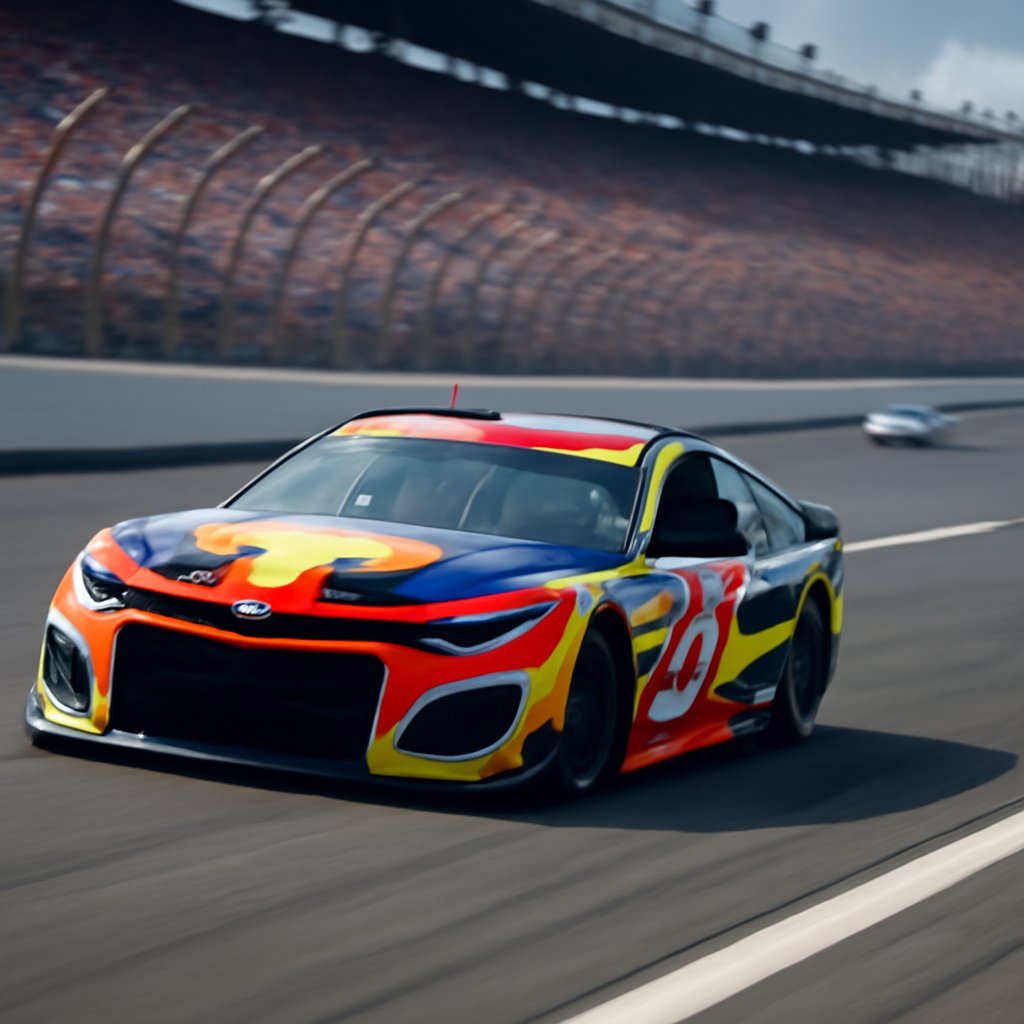
For motorsports enthusiasts and industry stakeholders alike, diving into NASCAR’s top museums and exhibits reveals far more than driver highlights or track layouts—it underscores the commercial machinery that has turned stock car racing into a multibillion-dollar enterprise. These venues showcase how team strategies, sponsor activations, and evolving business models have shaped everything from superspeedway battles to short-track dominance, all while preserving the legacies of icons like Richard Petty, Dale Earnhardt, and current standouts such as Kyle Larson.
From the pit lane perspective, the NASCAR Hall of Fame in Charlotte stands out as the premier destination for understanding this ecosystem. Its interactive exhibits trace the sport’s growth from 1940s moonshine roots to today’s sponsor-driven landscape, complete with authentic Cup Series cars and pit road simulations that highlight how partnerships with major backers have funded innovation. Displays cover milestones like Jimmie Johnson’s seven titles and pivotal results such as the 2001 Daytona 500, offering context on how historical race data informs modern team strategy.
What teams don’t tell fans is that exhibits like Glory Road, with its holographic finishes and Bristol Motor Speedway track guides, also serve as powerful sponsor platforms—think helmet artifacts from Earnhardt’s 1998 championship run that double as branding touchpoints. Interactive kiosks let visitors simulate qualifying, an educational nod to the data analytics crews now rely on, while year-round events featuring retired drivers discussing Martinsville tactics keep content aligned with live Cup Series developments.
The Hall of Fame’s museum experience extends beyond static displays. Visitors can explore the evolution of safety equipment across decades, from early leather helmets to modern SAFER barriers, tracing how innovation has protected drivers while maintaining competitive integrity. The museum’s championship exhibit rotates seasonally, ensuring that repeat visitors encounter fresh narratives tied to current championship battles. This dynamic approach keeps the Hall of Fame relevant to both casual fans catching up on recent seasons and dedicated enthusiasts tracking multi-year dynasty trends.
Shifting focus to singular legacies, the Richard Petty Museum in Randleman delivers a masterclass in one-driver branding. Spanning over 10,000 square feet with more than 20 cars tied to record 200 Cup wins, the space details Petty’s superspeedway mastery and family dynasty. Embedded track guides connect those triumphs to today’s strategies, and personal artifacts from the 1979 Daytona 500 victory illustrate how early mechanical tweaks evolved into sponsor-friendly innovations that still drive team budgets. The museum also features Petty’s personal collection of race suits and memorabilia that chronicle not just his driving career, but his post-racing role in building the modern NASCAR business landscape as an owner and ambassador.
For those planning a comprehensive museum tour, the timing of visits matters significantly. Scheduling visits around major racing weekends—particularly before Daytona 500 races in February—provides added energy, as museums often feature special guest appearances from current drivers and enhanced programming. Similarly, visiting during championship season allows enthusiasts to engage with exhibits through a lens of immediate relevance, connecting historical achievements to contemporary title hunts.
Beyond the Carolinas, additional sites round out any comprehensive visit. The Daytona 500 Experience leverages simulators and victory lane recreations to spotlight restrictor-plate dynamics and recent results like the 2020 event’s 22 lead changes, emphasizing the sponsorship value of high-visibility moments. The museum’s racing simulator offers realistic cockpit conditions, giving visitors tangible understanding of the G-forces and steering inputs required at 200-mph-plus speeds on the famous 2.5-mile oval. Talladega’s museum, meanwhile, breaks down the 2.66-mile layout’s aero demands through cars from Earnhardt Jr.-era battles, reminding stakeholders how speed records translate to marketing opportunities.
The International Motorsports Hall of Fame at Daytona provides additional context by housing rare prototype vehicles and vintage stock cars that predate the modern Cup Series. This facility bridges NASCAR history with broader motorsports evolution, offering perspective on how stock car racing differentiated itself from Formula 1 and other circuits. Displays include legendary cars from the 1950s and 1960s that laid groundwork for technical standards still in place today.
Hidden gems add depth for serious observers. The Jeff Gordon Museum in Pittsboro profiles the four-time champion’s path from open-wheel roots to titles in 1995, 1997, 1998, and 2001, while smaller displays at venues like Richmond Raceway bridge past results with current season narratives. These spots often highlight how regional sponsorships sustain grassroots engagement. Richmond’s museum, in particular, emphasizes short-track excellence and the technical adjustments drivers make when transitioning between high-banked superspeedways and flat, tight oval configurations.
The Dale Earnhardt Sr. Museum in Kannapolis offers another must-see destination, particularly for those interested in the evolution of driver persona and brand building in NASCAR. The facility chronicles the “Intimidator’s” rise from rookie sensation to seven-time champion, featuring the iconic black No. 3 cars, racing suits, and personal correspondence that reveal the strategic mindset behind one of the sport’s greatest competitors. The museum also addresses the 2001 Daytona 500 tragedy with respectful exhibits honoring Earnhardt’s unmatched impact on the sport and racing safety advancement.
For technology-focused enthusiasts, many museums now offer augmented reality features that layer digital information onto physical displays. Scanning QR codes near car exhibits can reveal telemetry data, radio communications from iconic races, and engineer commentary that enriches understanding of pit strategy and vehicle dynamics. This integration of digital tools makes museums accessible to younger audiences while deepening engagement for technical-minded visitors.
Key facts include the Hall of Fame’s 1.5 million visitors since 2010, Petty’s enduring win record across collections, Daytona’s record viewership draws, Talladega’s 200-plus mph qualifying feats, profiles of over 50 champions, and annual museum attendance topping 800,000 tied to championship cycles. Group rates and season passes are often available, making repeated visits economical for dedicated fans and regional communities.
Travel planning should account for museum hours, which vary seasonally and by location. Most major museums operate year-round with extended hours during race weekends, while some smaller regional exhibits operate by appointment during off-season months. Combining museum visits with track tours—many speedways offer behind-the-scenes experiences—creates immersive experiences that connect physical venue layouts with historical context preserved in museums.
Ultimately, strategic planning around race weekends maximizes these experiences, leaving visitors with sharper insight into NASCAR’s blend of competition, commerce, and legacy-building. Whether your interest centers on engineering evolution, driver achievements, or business innovation, NASCAR’s museum network preserves essential chapters of American motorsports history while remaining vital repositories for understanding how the sport continues advancing.