
Inside Kevin Harvick’s Long Career Success
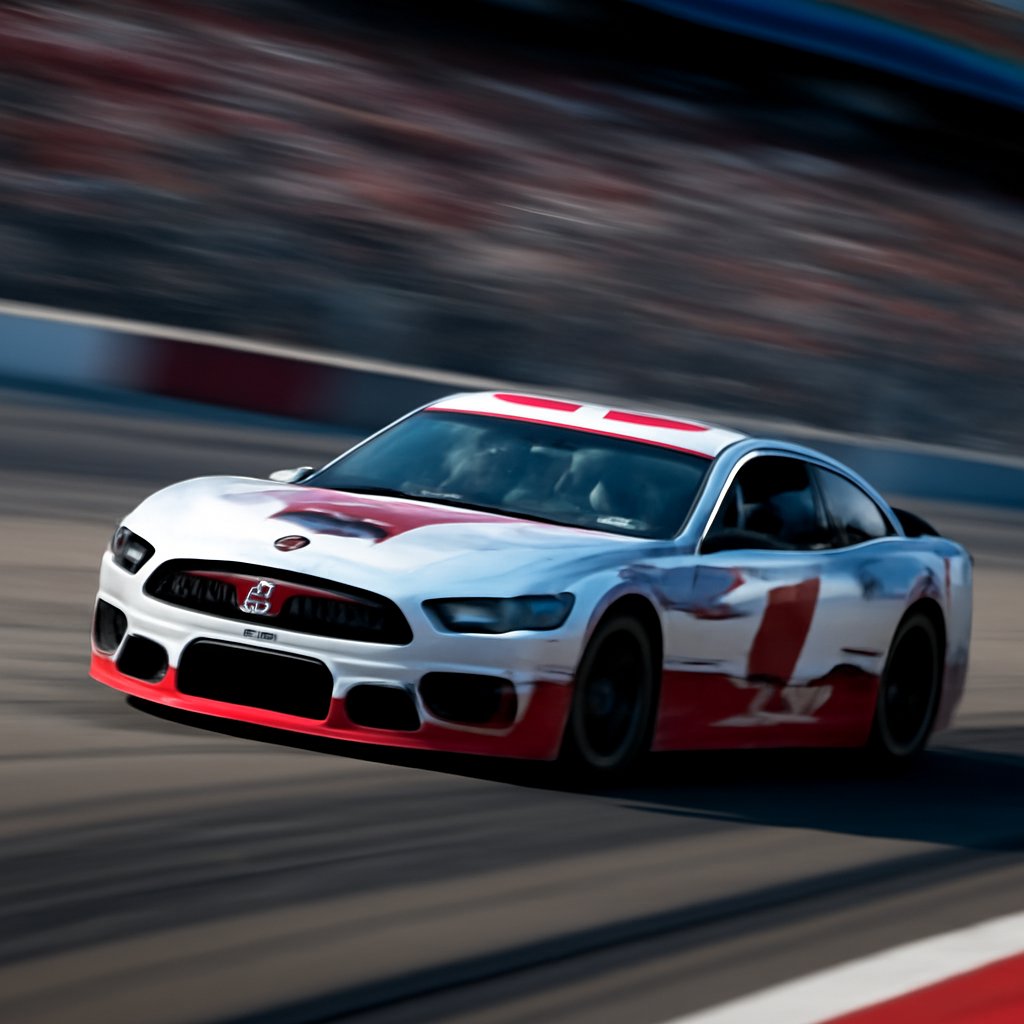
Growing up in Charlotte, NASCAR wasn’t a hobby — it was life, and Kevin Harvick’s long career success stands as a testament to pure resilience, adaptability, and that never-say-die excellence we see every weekend in the Cup Series. From stepping into the No. 29 right after the tragedy at Daytona to claiming the 2014 title and sticking around for over two decades, Harvick built a legacy that still echoes from the high banks of Talladega down to the frontstretch at Charlotte Motor Speedway. Folks called him “The Closer” for good reason, and watching him master every generation of car from the Car of Tomorrow on up shows why he’s earned respect from every corner of this sport. My grandfather watched this track get built right here in Charlotte, and he would’ve tipped his cap to a driver who turned replacement duty into championship glory.
Harvick’s road started out West in Bakersfield back in ’75, grinding through short tracks before lighting up the Truck and Xfinity Series in the late ’90s. That call from Richard Childress Racing in February 2001 changed everything — they needed him to fill Dale Earnhardt’s seat after that heartbreaking Daytona 500, and Harvick answered with a win in just his third Cup start at Atlanta. It felt like the torch had been passed to a new firebrand who raced with that same edge. Early on at RCR he showed he could win anywhere, stacking victories at Phoenix and Darlington while also sweeping Xfinity titles in 2006 and 2007. Those years taught him how to talk to a crew chief and squeeze every ounce out of the car, lessons that paid off big when the rules kept changing.
The real peak came in 2014 when he landed at Stewart-Haas Racing in the No. 4 Ford with Rodney Childers calling the shots. Harvick took the Chase by the throat, winning three of the final ten races and sealing the deal at Homestead-Miami. That championship ended Tony Stewart’s long wait and proved all those near-misses at RCR were just building something bigger. From there he kept the heat on, racking up 13 wins through 2023, including the Brickyard 400 in ’15 and multiple trips to victory lane at Texas where his restart aggression was pure poetry. Even after stage racing arrived in 2017, he kept punching through to the playoffs year after year.
What made Harvick’s longevity even more remarkable was his ability to compete across multiple eras of NASCAR with minimal drop-off in performance. When the sport transitioned from the traditional points system to the Chase format in 2004, Harvick proved he could handle the new pressure-cooker scenarios. Later, when stage racing fundamentally altered how drivers approached races—breaking them into three segments with bonus points on the line—he adapted his strategy once again. This flexibility separated him from drivers who peaked early and faded. His willingness to learn new techniques, study data analytics as the sport evolved, and work seamlessly with crew chiefs like Rodney Childers through multiple generations of cars demonstrated a professional maturity that extended his window of competitiveness well into his late forties.
At Richard Childress Racing, Harvick spent nearly fourteen seasons developing the consistency that would eventually lead to his championship run. Between 2002 and 2014, he recorded seven top-five finishes in the final point standings, including multiple seasons in the top ten. While some might view this as falling short of championship expectations, Harvick’s time at RCR taught him invaluable lessons about car setup, qualifying trim, and managing fuel mileage—skills that became increasingly important as the sport tightened in competition. His partnership with crew chief Gil Martin during those middle years proved especially productive, with the duo combining to secure multiple wins and establishing Phoenix Raceway as his personal playground. That track chemistry would follow him wherever he went.
My grandfather always said the real measure of a driver shows up at places like Daytona and Talladega, and Harvick got better there once he figured out the draft with his SHR engineers. He swept Phoenix in 2014 like it was his own backyard, pulled off last-lap magic at Kansas, and posted strong averages at Charlotte and Las Vegas across 23 full seasons. The superspeedways, often considered a wildcard due to their inherent unpredictability, actually showcased Harvick’s intelligent racecraft. Rather than relying purely on aggressive moves, he learned to position himself strategically in the draft, read tire wear patterns on the high-speed ovals, and execute calculated passes. His multiple wins at Daytona and Talladega came against some of the most talented drafting specialists in modern NASCAR, a testament to his willingness to study the nuances of plate racing long after many drivers viewed those events as pure luck.
The 2014 championship season itself deserves deeper examination because it wasn’t just about the final tally. Harvick’s consistency through the regular season kept him in contention, and his three wins in the final ten races of the Chase demonstrated that he elevated his game precisely when the stakes mattered most. This pattern of clutch performance became his calling card—the phrase “The Closer” stuck because he genuinely performed better when everything was on the line. Teams noticed. Rivals noticed. Fans noticed. That mentality, combined with his technical knowledge and communication skills, made him invaluable to Stewart-Haas Racing’s competitive structure.
Beyond the numbers, Harvick’s influence on the paddock extended far beyond his own results. He became known as a driver who could help develop young talent, both as a teammate and later in an official capacity. Chase Briscoe, who drove the No. 14 for Stewart-Haas, benefited enormously from sharing a garage with Harvick and learning his approach to setup and race craft. Similarly, his mentorship of Ryan Preece and interaction with other drivers coming through the ranks established him as a respected voice in the community—someone other competitors sought advice from without hesitation.
After 932 Cup starts he hung it up following 2023, leaving behind 32 wins, 59 poles, 325 top-fives, two Xfinity championships, and 23 wins at Phoenix across the national series. Those Phoenix wins deserve special mention because they represent something unique in modern NASCAR—one driver so thoroughly understanding a single track that it almost became an unfair advantage. His mastery there wasn’t luck or favorable circumstances; it was the product of meticulous preparation, proper tire strategy, and an uncanny ability to find grip where others couldn’t.
Now in the broadcast booth, Harvick has transitioned seamlessly from driver to analyst, bringing the same technical expertise and storytelling ability that made him successful on the track. His commentary on rule changes, aerodynamic implications, and driver decisions provides viewers with insight that only someone who’s actually piloted these cars at the highest level can offer. He breaks down the political side of NASCAR with the perspective of someone who navigated team ownership discussions, manufacturer relationships, and sanctioning body decisions throughout his career.
All told, Harvick went from that emergency fill-in to a benchmark for longevity, and his story still guides the next wave of drivers chasing the same kind of staying power. His two-decade run proves that consistency, adaptability, and a genuine love for racing can sustain a career at the sport’s highest level, even as the technical and competitive landscape shifts beneath you.