
Daytona 500 Track Guide for Beginners
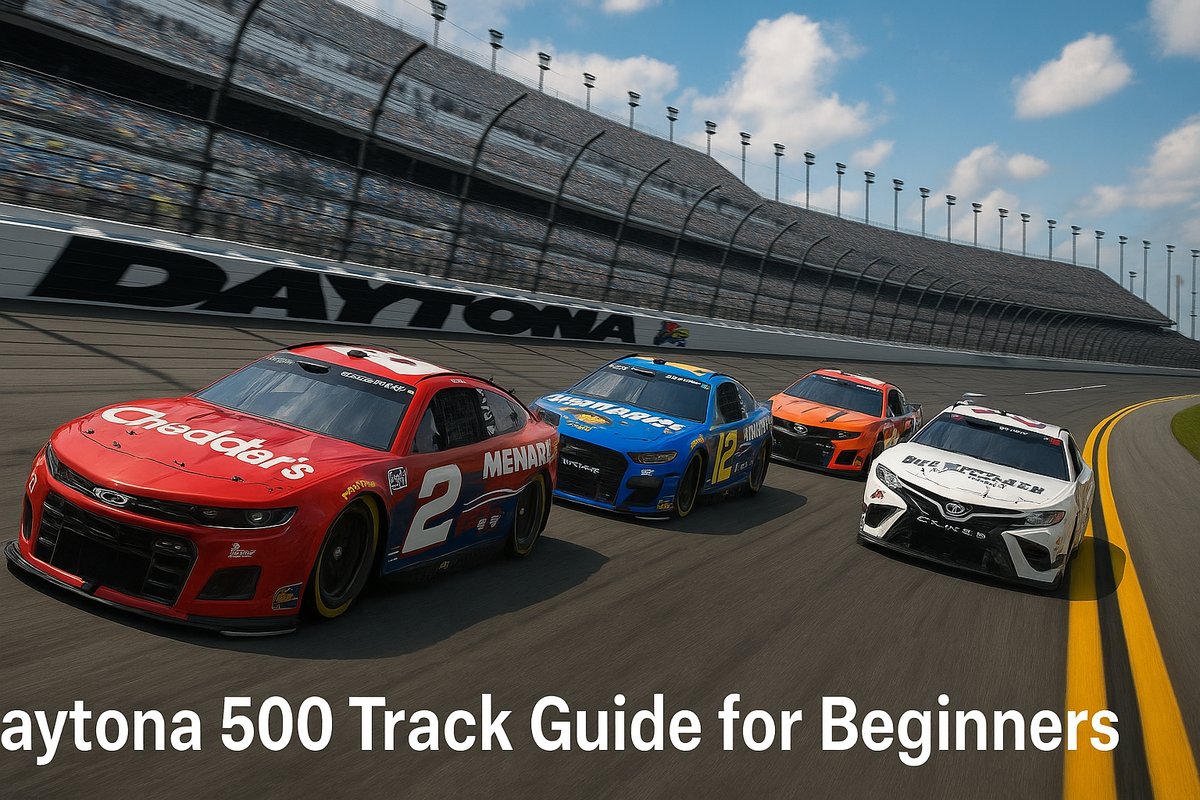
The Daytona 500 remains the marquee event that kicks off the NASCAR Cup Series calendar each February at Daytona International Speedway, and from a business standpoint it functions as the sport’s premier platform for sponsor activation and team alignment. Whether you’re new to superspeedway racing or attending for the first time, this guide covers the essentials from the 2.5-mile tri-oval layout through fan logistics and the strategic decisions that shape outcomes in the Great American Race.
From the pit lane perspective, the history of the event since its 1959 debut underscores how restrictor plates in the 1980s were as much about managing sponsor exposure and television appeal as they were about controlling speeds. Legendary drivers like Richard Petty and Dale Earnhardt helped build the brand, while later innovations such as the 2015 Daytona Rising project expanded seating and sightlines to boost premium hospitality revenue. Safety upgrades including SAFER barriers and the Next Gen car have since reduced risk while preserving the close-quarters competition that keeps partners engaged across the full season.
What teams don’t tell fans is that the shift from carburetors to fuel injection and evolving aerodynamic packages was driven in part by the need to maintain competitive balance for sponsors who demand consistent on-track visibility. That same evolution keeps drafting and pack racing at the core of every team’s February strategy.
Daytona International Speedway’s 2.5-mile tri-oval carries 31-degree banking in the turns and 18 degrees on the frontstretch tri-oval, with the 3,800-foot backstretch enabling qualifying speeds above 200 mph. The four turns, the yellow-line rule, and the 1,600-foot pit road all factor into green-flag pit strategy that can decide whether a sponsor-backed car finishes in the top five or outside the top twenty. The infield road course, used for events like the Rolex 24, has minimal impact on the 200-lap Daytona 500 itself.
High banking creates the downforce that allows nose-to-tail drafting, while the tri-oval shape produces three distinct racing grooves that teams exploit for multi-car battles. Modern energy-absorbing walls and head restraints have lowered injury rates, protecting the driver assets that sponsors invest in heavily.
Understanding the drafting mechanics is crucial for any Daytona 500 newcomer. The aerodynamic effect of one car following closely behind another reduces drag on both vehicles, allowing them to travel faster together than they could independently. This dynamic transforms the Daytona 500 into a team sport on the track, where drivers must coordinate with their teammates and even competitors to create passing opportunities. A driver running second can use the slipstream to gain a run on the leader, but that same leader can block the passing attempt by sliding up the track. These back-and-forth maneuvers often determine winners in the final laps, making the last 20 circuits of the race the most dramatic and unpredictable.
Fuel strategy plays an equally critical role in Daytona 500 outcomes. Teams must balance the desire to maximize engine performance through high fuel octane loads against the reality of making it to the finish without a final pit stop. Late-race cautions can completely reshape fuel mileage calculations, sometimes allowing underdogs with lighter fuel loads to leap ahead of traditionally stronger teams. Crew chiefs monitor fuel consumption lap by lap, communicating constantly with drivers about whether to extend their current fuel level or pit early for a splash-and-go that resets their mileage gamble. This chess match between pit lane and track action keeps the race unpredictable even when the same teams dominate practice sessions.
Weather represents another variable that shapes Daytona 500 strategy. February conditions in Central Florida can shift rapidly, with rain showers potentially triggering red flags and altering pit strategy windows. Teams study historical weather patterns and maintain backup fuel strategies should a caution period compress the race schedule. Track temperature also affects grip and fuel consumption; a warmer track produces better tire grip but slightly higher fuel burn rates, forcing teams to recalibrate their mileage calculations throughout the race day.
For first-time attendees or viewers, preparation differs from other tracks because the business of the Daytona 500 extends beyond the green flag. Arriving early to explore sponsor activations in the fan zone and Victory Lane area provides context on how teams leverage the event for partner hospitality. Drafting tactics often involve a driver yielding position to help a teammate set up a late charge, a move coordinated through radio communication that directly affects sponsor messaging. February weather in Florida requires layered clothing and radar monitoring, while television viewers benefit from understanding garage-area dynamics and real-time pit strategy, including fuel-mileage gambles that can swing results under green-flag conditions.
Grandstand seats along the tri-oval deliver the clearest view of starts, finishes, and restarts, while infield camping offers direct sightlines to backstretch action. The official NASCAR app supplies live timing that helps track position changes driven by those strategic calls. For those attending in person, purchasing seats in Turn 1 or Turn 4 provides exceptional vantage points for witnessing the dramatic moments when drivers make their boldest passing attempts. The tri-oval itself offers a unique perspective since fans can see both the frontstretch and the beginning of the backstretch from premium seating locations.
The Daytona 500’s history of competitive drama stems directly from the track’s design and the restrictions NASCAR has implemented to keep the race close. The horsepower-limiting restrictor plate that was introduced in 1988 fundamentally changed how teams approach the race, forcing engineers to find aerodynamic advantages through chassis setup and fuel blending rather than engine tuning alone. Teams often spend months before February testing different suspension geometries and downforce configurations on similar superspeedways to find marginal gains that could mean the difference between victory and a mid-pack finish.
Car setup at Daytona involves compromises that don’t appear at other tracks. A vehicle that’s perfectly balanced for single-file running might become unstable during multi-car battles in the pack. Teams must prioritize handling that works during the chaotic middle laps while maintaining the stability needed for qualifying runs when drivers push their cars to the absolute limit. This balancing act means that the car that qualifies on the pole position often struggles when surrounded by 39 competitors all jockeying for position.
The importance of pit crew performance cannot be overstated at Daytona. A four-tire pit stop during a caution period typically takes around 12 seconds, but on a track where races are often decided by inches, a crew that loses a tenth of a second or miscommunicates on tire pressure can cost their driver several positions. Teams practice pit stops constantly, with crews drilling their choreography to ensure every member—from the front tire changer to the jack operator—executes their role flawlessly. A single mistake, such as a loose lug nut discovered too late, can result in a penalty that moves a car to the back of the field.
Key facts include the exact 2.5-mile layout with 31 degrees of banking, qualifying speeds routinely above 195 mph, a 500-mile distance across 200 laps, seating capacity exceeding 101,000 after renovations, more than 40 lead changes typical in pack racing, Richard Petty’s record seven victories, an approximate three-hour event duration, and the 2022 Next Gen car’s wider body and safety improvements.
Television coverage of the Daytona 500 attracts millions of viewers annually, making it one of motorsport’s most-watched events globally. The broadcast typically begins hours before the green flag with pre-race ceremonies, driver introductions, and behind-the-scenes garage access that provides viewers with insights into team strategy and driver mindset. Understanding the commentary and telemetry graphics displayed during the broadcast enhances the viewing experience, as analysts explain real-time decisions about fuel mileage, tire management, and aerodynamic positioning.
For returning fans and seasoned observers, the Daytona 500 provides an annual reminder of why superspeedway racing remains NASCAR’s most unpredictable and thrilling spectacle. Unlike shorter tracks where consistency and incremental advantage accumulate over hundreds of laps, Daytona rewards boldness, opportunism, and the willingness to take calculated risks. A driver who exhibits these qualities in the final 50 laps can overcome a deficit of multiple positions, while a cautious approach almost guarantees mediocre results at a track where decisive action shapes history.
Ultimately, understanding these elements enhances appreciation for how the Daytona 500 balances on-track spectacle with the commercial realities that