
Analyzing Fuel Management in Endurance Races
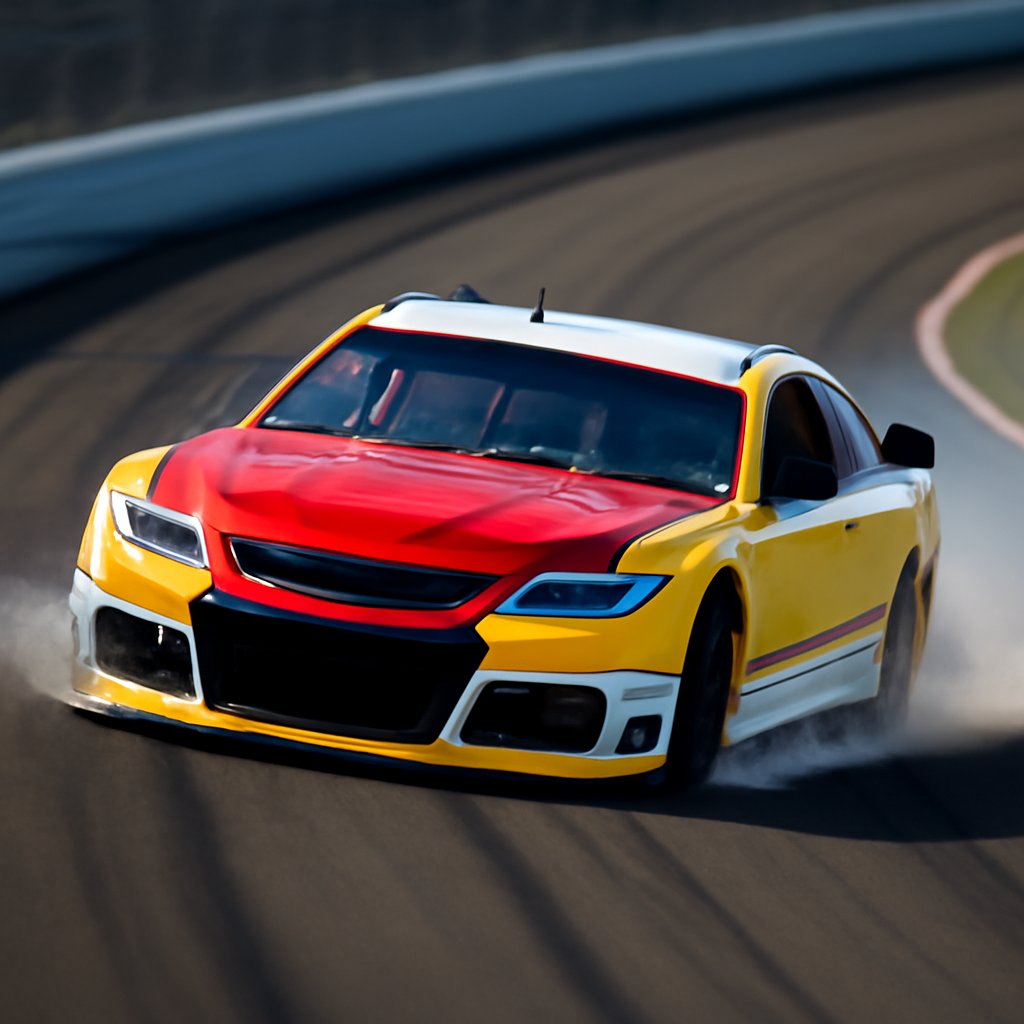
Growing up in Charlotte, NASCAR wasn’t a hobby — it was life, and let me tell you, when it comes to those grueling endurance races like the Coca-Cola 600, fuel management ain’t just strategy, it’s the difference between kissing the bricks in Victory Lane and limping home on fumes. My grandfather watched this track get built back in the day, and he’d always say the real art in these 600-mile battles at Charlotte Motor Speedway is balancing raw speed with smart conservation, especially when you’re factoring in track conditions, caution periods, and what the other teams are plotting in the pits.
In the NASCAR Cup Series, this stuff turns into pure poetry during the longest events. Teams have to nail those pit stops and stretch every drop from those fuel cells that hold around 18 gallons. Drivers like Kyle Busch and Denny Hamlin have talked about how laying off early lets you charge hard later, flipping a deficit into a win when rivals have to pit under green. It all comes down to knowing your fuel cell capacity and how aerodynamics chew through gas on high-banked ovals like the ones at Daytona or Talladega.
Engineers lean on advanced software to map out pit windows, pulling from historical data and variables like tire wear, track temperature, and even wind direction. That keeps folks like Martin Truex Jr. running strong without extra stops. One wrong call, though, and you could run dry on the last lap — we’ve seen that drama play out plenty at the superspeedways.
Top organizations in the Cup Series use tricks like lift-and-coast to ease off the throttle into the turns, cutting consumption by up to 5 percent per lap. Drafting partners help cut drag too, a move you see all the time at Daytona and Talladega in their longer runs. The chatter between driver and crew chief stays constant, watching fuel pressure and distance left. Chase Elliott’s experience shows how that separates champions in races that stretch past four hours.
Cautions can scramble the best plans, forcing split-second calls on whether to stay out or pit for fresh fuel. Adaptive moves during those moments have turned underdogs into podium threats in endurance-style Cup races. Modern fuel injection and electronic controls let teams fine-tune mixtures for efficiency without losing power.
The science behind fuel economy in NASCAR goes deeper than just coasting. Teams analyze fuel consumption rates across different segments of the track, recognizing that straightaway speed demands vary significantly from corner management. On a track like Charlotte, the relatively flat turns in Turns 1 and 2 allow drivers to maintain higher speeds while consuming less fuel compared to the tighter technical sections. Conversely, superspeedways like Daytona and Talladega present unique challenges where fuel consumption spikes during acceleration phases but drops dramatically when drafting in the pack. Engineers compile this lap-by-lap data to build predictive models that forecast fuel burn rates under varying circumstances.
Weather conditions play an underestimated role in fuel strategy that many casual fans overlook. Temperature swings throughout a race day dramatically impact fuel consumption — cooler evening temperatures at the Coca-Cola 600 (which runs into the night) actually help with fuel efficiency compared to the blazing afternoon heat. Wind direction matters too, particularly at superspeedways where a headwind can increase fuel consumption by 3-4 percent on straightaways. Teams monitor weather forecasts religiously and adjust their pit strategies accordingly, sometimes gambling on fuel stretches if conditions are predicted to improve later in the race.
Looking back at past races, like the 2023 Coke 600, drivers stretched tanks with conservative lines to stay in the hunt late. Same thing at the Southern 500, where legends like Richard Petty and today’s stars proved fuel strategy decides outcomes. Charlotte’s banking angles play right into that, telling crews when to go full throttle or back it down.
The relationship between tire degradation and fuel consumption creates a complex puzzle for strategists. As tires wear down throughout a stint, they generate more rolling resistance, which forces the engine to work harder and consume additional fuel. This interconnected dynamic means that fuel strategy can’t exist in a vacuum — it must work in concert with tire management and pit stop timing. Teams might choose to make an extra pit stop for fresh tires knowing that the improved grip will lower fuel consumption enough to offset the time lost during the pit stop. This calculus changes dramatically based on track position, caution flags, and how many laps remain.
Pit crew efficiency directly influences fuel strategy viability. A crew that can execute a four-tire change and fuel stop in under 12 seconds creates options that slower crews simply don’t have. Top teams like Joe Gibbs Racing and Team Penske have invested heavily in pit crew training, understanding that saving just 0.3 seconds per stop can mean the difference between staying out on track or being forced to pit under caution. The fuel pump operator’s skill deserves particular mention — they must deliver the exact amount of fuel needed based on real-time calculations from the engineer, all while coordinating with tire changers and jackmen.
Cup veterans bring their own edge too, training their minds for long stretches of low-consumption driving without losing focus. Veteran drivers have developed an intuitive feel for fuel consumption that comes only through years of experience. They understand how to modulate throttle input in ways that preserve fuel without sacrificing competitiveness, a skill that separates the elite from the field in marathon events. Some drivers, like Brad Keselowski and Kurt Busch, have built reputations partly on their fuel management abilities, consistently outrunning fuel predictions through smooth driving techniques.
Communication between driver and crew chief reaches a fever pitch during fuel-critical stretches. The driver reports fuel pressure readings, engine feel, and predicted remaining fuel, while the crew chief calculates laps-to-empty and adjusts strategy in real time. Modern telemetry provides unprecedented precision, but human judgment still reigns supreme. A crew chief who correctly reads the race situation and makes a gutsy call to stay out on fuel when competitors pit can turn a mid-pack car into a contender in the final laps.
Fuel mixture adjustments through electronic controls represent another frontier in efficiency. Modern engines can adjust fuel-to-air ratios on the fly, leaning out the mixture for fuel conservation during certain phases while richening it for power when required. This flexibility, unavailable in earlier NASCAR eras, allows teams to squeeze extra performance without dramatically increasing consumption. The engine control unit (ECU) receives signals from the driver and crew chief regarding fuel status, automatically optimizing combustion efficiency accordingly.
The strategic gamble of running out of fuel versus making an extra stop creates some of NASCAR’s most memorable moments. Teams must calculate whether the time saved by not pitting outweighs the risk of running dry. If a driver can coast to the finish line on fumes while competitors pit, the strategy pays dividends — but one miscalculation sends that car to the garage with an DNF. This high-wire act is why endurance races captivate fans and separate the calculated risks from the reckless ones.
Key facts from the record books bear this out:
– NASCAR Cup Series fuel cells hold approximately 18 gallons, enabling stretches of 40-50 laps depending on track and conditions in endurance races.
– Strategic fuel conservation can improve lap times by 0.2-0.5 seconds over full-throttle approaches in long events like the Coke 600.
– Teams average 4-6 pit stops in 600-mile races, with fuel management reducing this number by up to 20% in optimal scenarios.
– Historical data indicates that 15% of top-10 finishes in endurance-style Cup races result directly from superior fuel strategy execution.
– Modern telemetry systems provide accuracy within 0.1 gallons, critical for analyzing fuel management in real time during races exceeding 400 miles.
– Lift-and-coast techniques can reduce fuel consumption by 5-7% over an entire race distance without sacrificing final finishing position.
– Track temperature variations can alter fuel consumption rates by 2-4%, making pre-race weather analysis crucial for strategy formulation.
At the end of the day, every drop counts in these NASCAR Cup Series marathons. Mastering fuel strategy keeps teams pushing limits in the sport’s toughest events, mixing tech, instinct, and quick decisions for the kind of racing that keeps us coming back to places like Charlotte, Daytona, and Talladega. The intersection of engineering precision, driver skill, and strategic boldness creates the drama that makes endurance racing unforgettable.