
Profile of Brad Keselowski’s Versatile Driving Style
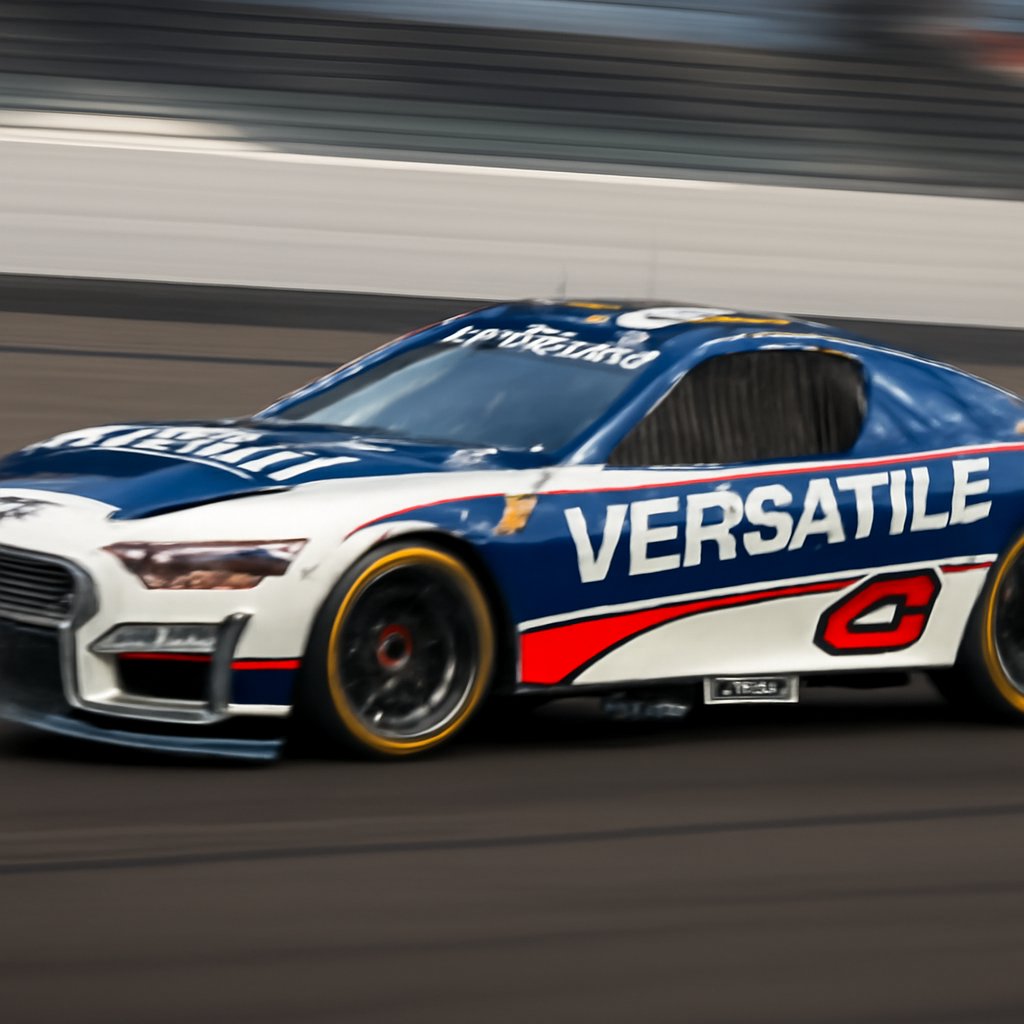
Growing up in Charlotte, NASCAR wasn’t a hobby — it was life, the way the air smelled like burnt rubber and high-test fuel every weekend. Brad Keselowski’s versatile driving style has become one of the defining traits in modern Cup Series competition, letting this veteran excel on every track type and in every kind of weather. From his early days breaking into the big leagues to running RFK Racing as an owner, Keselowski mixes aggressive passing with smart risk-taking that keeps him up front. My grandfather watched this whole sport grow from dirt to pavement, and he’d tip his hat to a driver who can read the race like Keselowski does.
Brad rolled into the Cup Series in 2010 after making a name for himself in what we used to call the Nationwide Series. Those early short-track battles at local bullrings taught him car control and how to nurse tires, skills that paid off big when he hit the high banks at Daytona and Talladega. Before that first Cup start, he cut his teeth in the Truck Series and Xfinity ranks, learning to tweak setups for rain or blazing sun and, most importantly, how to talk straight to his crew chief — a habit that still sets him apart today.
One thing that jumps out about Keselowski is how he handles both the ovals we grew up on and those tricky road courses. At places like Watkins Glen or Sonoma he stays smooth on the brakes and throttle, while at Phoenix or Las Vegas he keeps the momentum rolling through the turns. On the superspeedways, he plays the draft like a chess match, staying out of the big wrecks that wreck so many others. My grandfather always said Talladega separates the patient from the reckless, and Keselowski proves that every time.
At intermediate tracks like Kansas and Texas he balances raw speed with long-run pace, often saving his best for the final stage. Crews talk about how his radio calls during cautions turn a middling car into a winner. Since stage racing came along, he’s treated every segment like its own short race, banking points early while keeping the car together for the end. In the playoffs, that experience at Martinsville or Homestead lets him flip the switch from conservative to all-out when the championship is on the line.
What sets Keselowski apart from many of his peers is his mechanical understanding of how a race car works. He didn’t just memorize how to drive fast — he learned the why behind every adjustment. Engineers and crew chiefs across the paddock have noted his ability to articulate subtle car behavior that other drivers might miss or struggle to communicate. When a setup change happens during a caution or between stages, Keselowski quickly adapts his driving technique to match the car’s new characteristics rather than fighting against them. This adaptability has kept him competitive across multiple eras of NASCAR, from the V8 Supercars-influenced 2010s through today’s Next Gen vehicle.
His superspeedway prowess deserves special attention. Daytona and Talladega aren’t just tracks where Keselowski visits — they’re venues where he’s consistently been among the favorites. The superspeedway draft demands a particular mindset: you need aggression to make moves, but patience to know when to make them. Brad’s won multiple races at both tracks, and more impressively, he’s finished well even when his car wasn’t the fastest. He understands how to position himself in the pack for late-race scenarios, how to read other drivers’ intentions, and when to take calculated risks versus when to play it safe. This skill set is what separates regular race winners from champions.
At road courses, the transition to full-time road course racing in the Cup Series showed just how complete Keselowski’s skill set truly is. While not every oval racer excels on road courses, Brad proved he could compete with specialists like AJ Allmendinger. His success came from treating road course driving similarly to how he approaches oval racing — breaking it down into technical components, understanding tire wear patterns, and communicating precisely with his team about what the car needs turn by turn. His road course wins and consistent top finishes demonstrated that versatility isn’t just marketing speak; it’s a real strength in his toolkit.
The statistics tell a compelling story about consistency and longevity. Over his career, Keselowski has logged top-10 finishes at an impressive rate, which speaks to his ability to extract maximum performance from any race car, regardless of how competitive the equipment is that weekend. While some drivers’ seasons are marked by boom-or-bust performances, Keselowski’s career shows a steady upward trajectory and sustained competitiveness. He’s raced for championship-contending teams like Team Penske and now runs his own operation at RFK Racing, proving his versatility extends beyond just driving different track types.
Stage racing fundamentally changed NASCAR strategy, and Keselowski adapted faster than many drivers. Rather than viewing stage breaks as interruptions to a 500-mile race, he recognized them as three separate competitions. This mindset allowed him to accumulate stage points and position himself better for the final stage, where he could either protect a comfortable points lead or go all-in for the win. Younger drivers have studied his approach to stage racing because it represents a masterclass in modern Cup Series strategy.
The transition to car ownership has given Keselowski yet another dimension to his versatility. Running RFK Racing while still competing as a driver requires split focus, but it’s also given him insights into driver development and team management. He’s helped develop other drivers, providing mentorship based on the lessons he learned coming up through the ranks. This owner-driver combination is rare in modern NASCAR and speaks to his overall intelligence about the sport.
Weather adaptability is another often-overlooked aspect of Keselowski’s skill. Rain races, hot days that bake the track, cold early-season races that play havoc with tire grip — he’s consistently competitive across all weather conditions. This comes from experience and from the mental discipline to adjust his approach based on what the track is giving him that particular day. Some drivers have one speed; Keselowski has several.
Here’s what the record shows: 2012 Cup champion, 35 career wins in more than 500 starts, victories on superspeedways and road courses alike, steady top-10 points runs with RFK and before that at Penske, strong short-track results including Bristol and Richmond, plus over 200 stage wins or top finishes that prove he adapts to the new format. Through his ownership at RFK he’s also helping bring the next wave of drivers along. His consistency in the points standings year after year demonstrates that his success isn’t a product of luck or timing, but rather skill and adaptability.
Brad Keselowski’s style keeps shaping the sport, blending pure talent with that deep strategic feel you only get from years of racing. He stays a threat no matter the track or the rules package, and fans know his kind of adaptability will be talked about long after he hangs up the helmet. In a sport that constantly evolves, that’s the highest compliment a driver can receive.