
The Role of Spotters During Live Races
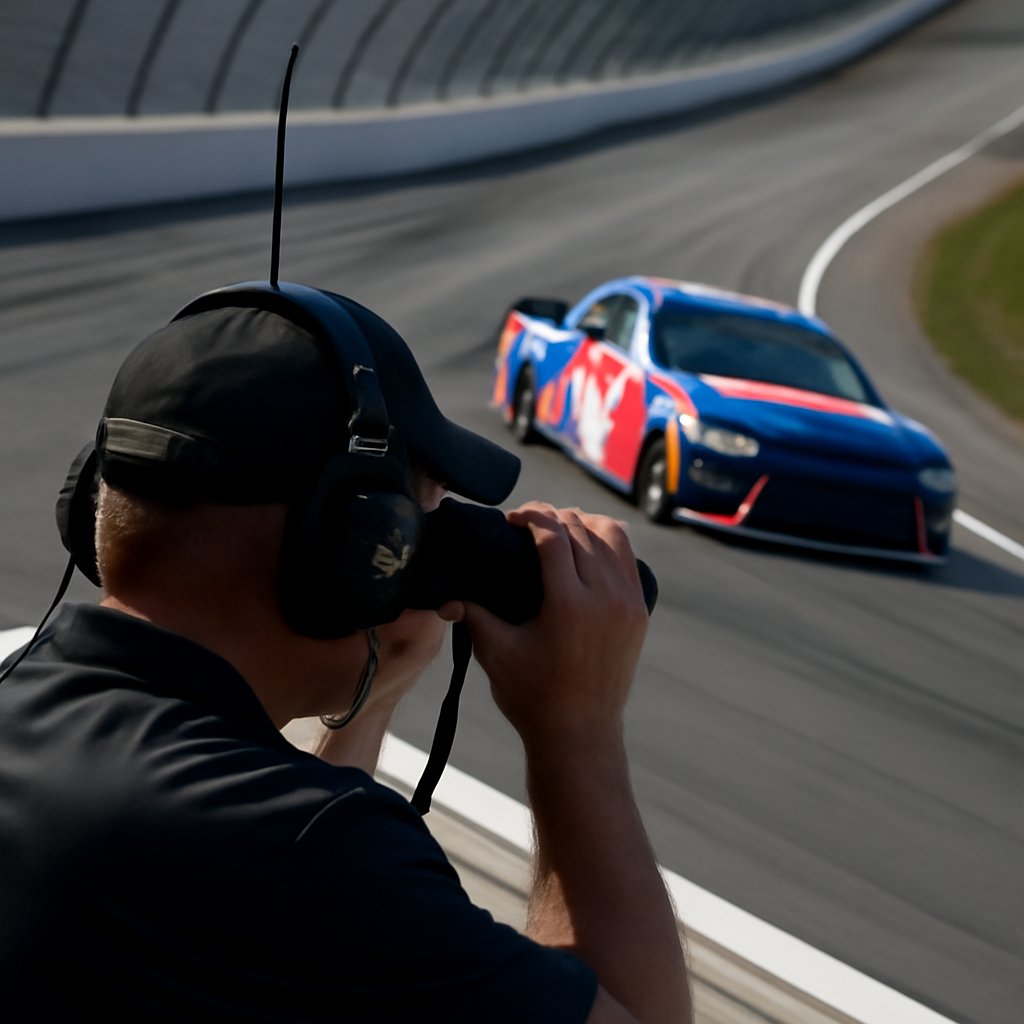
You know, growing up in Charlotte, NASCAR wasn’t a hobby — it was life, plain and simple. My grandfather watched Charlotte Motor Speedway get built from the ground up, and he’d tell stories about how spotters have always been the unsung heroes keeping these wild machines from turning into scrap at places like Daytona and Talladega. The role of spotters during live races stands as one of the most critical yet often overlooked elements in NASCAR Cup Series competition. These experienced professionals serve as the eyes and ears for drivers, providing real-time guidance that can mean the difference between victory and a costly crash during high-stakes events at tracks like Daytona or Talladega.
Spotters in NASCAR Cup Series racing position themselves at elevated vantage points around the track to monitor traffic patterns, potential hazards, and competitor movements that drivers cannot see from their low-slung cockpits. Their primary duty involves relaying precise instructions on lane changes, closing gaps, and avoiding multi-car incidents that frequently unfold at superspeedways. In live races, this guidance helps drivers maintain optimal lines while conserving fuel and tires over long green-flag runs.
Positioning and visibility challenges come into play big time. Spotters must select locations that offer unobstructed views of the entire racing surface, often climbing scaffolds or utilizing team-provided towers at venues like Charlotte Motor Speedway. During night races under the lights, they adapt to glare and shadows that complicate visibility. Effective spotters anticipate trouble by watching for loose cars or aggressive moves several seconds before they escalate into wrecks, allowing drivers extra reaction time.
Long-term partnerships between drivers and spotters foster intuitive communication styles tailored to individual preferences. Veterans like those working with Denny Hamlin emphasize calm, concise calls during intense battles, while newer Cup Series talents rely on detailed descriptions to build confidence in high-speed traffic.
Radio systems form the backbone of spotter-to-driver interaction, utilizing encrypted channels to deliver split-second updates without interference from other teams. Spotters employ standardized terminology combined with track-specific shorthand to describe positions relative to landmarks like the tunnel turn at Bristol or the backstretch at Michigan. This efficiency proves vital when split-second decisions determine whether a driver avoids contact or gains positions on restarts.
Modern NASCAR spotters incorporate video feeds and timing data alongside visual observation to cross-reference competitor gaps and closing speeds. During live races, they coordinate with crew chiefs to adjust strategies based on unfolding cautions or weather shifts, ensuring drivers receive holistic guidance beyond simple traffic alerts.
In chaotic situations such as overtime finishes or multi-car spins, spotters remain composed while directing evasive maneuvers. Their ability to prioritize the most immediate threats helps prevent chain-reaction accidents that could sideline multiple Cup Series entries in a single lap.
Spotters directly shape NASCAR Cup Series strategies by identifying passing opportunities and warning of lapped traffic that could disrupt momentum. Historical examples demonstrate how timely calls have propelled drivers to wins at restrictor-plate tracks where pack racing demands constant vigilance. Beyond performance gains, their interventions have averted serious injuries by steering competitors away from debris fields or stalled vehicles.
At recent Talladega races, spotters guided drivers through aggressive three-wide maneuvers, contributing to cleaner finishes and fewer red flags. Similarly, during road course events, they provide elevation-based insights on corner exits that complement onboard telemetry, enhancing overall racecraft for teams chasing playoff berths.
Spotters follow strict NASCAR safety guidelines, including mandatory training on emergency protocols. They alert drivers to on-track medical situations or oil spills instantly, enabling quicker reactions that protect both competitors and fans attending live events.
Each NASCAR Cup Series team typically deploys two spotters per race to cover opposite sides of the track for comprehensive coverage. Spotter calls have been credited with reducing on-track incidents by up to 25% in superspeedway events according to team debrief analyses. Communication occurs at an average rate of 40-60 radio transmissions per driver per race, highlighting the intensity of live guidance. Experienced spotters often have 10+ years in the sport, many transitioning from driving or crew roles to leverage deep track knowledge. In the 2023 season, spotter interventions helped avoid an estimated 15 potential multi-car wrecks across the Cup Series schedule. Teams invest significant resources in spotter equipment, with advanced headsets and backup systems ensuring uninterrupted contact during 500-mile events.
The role of spotters during live races remains indispensable to the safety and competitive integrity of NASCAR Cup Series events. Their blend of visual acuity, strategic insight, and calm communication empowers drivers to push limits while minimizing risks. As technology evolves and tracks introduce new configurations, spotters continue adapting to deliver the edge teams need for success. Fans and competitors alike benefit from recognizing these unsung professionals who shape every lap from their elevated posts.
Sources
- NASCAR.com News & Media – Official NASCAR news and updates on drivers, teams, and racing operations
- ESPN NASCAR – Comprehensive coverage of NASCAR races, standings, and driver information
- Motorsport.com NASCAR – International motorsports journalism and NASCAR race coverage
- NASCAR Racing Series Information – Official NASCAR series details and regulations