
Top Road Courses Every NASCAR Fan Must Visit
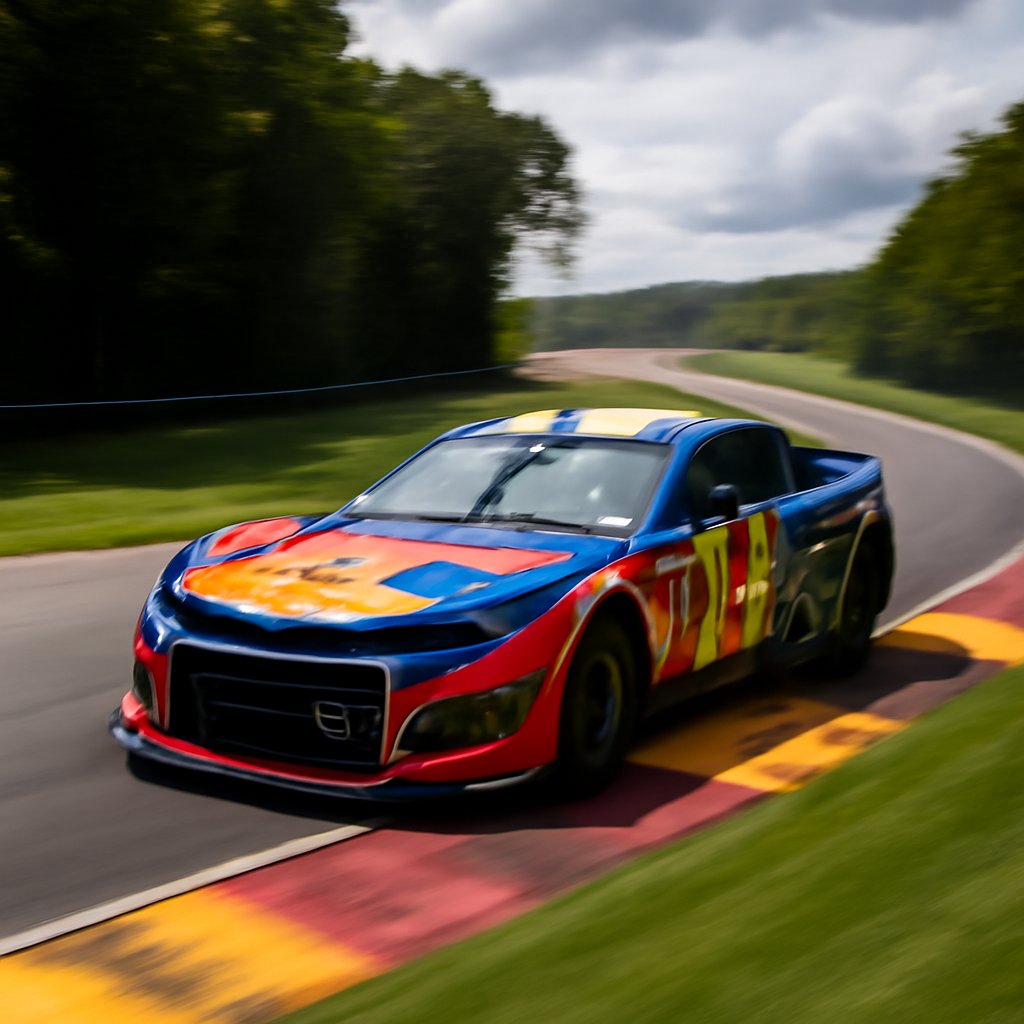
Growing up in Charlotte, NASCAR wasn’t a hobby — it was life, with the smell of burning rubber and the roar of engines echoing from the trackside where my family has been since before I was born. My grandfather watched plenty of these places evolve over the decades, and while nothing beats the high banks at Daytona or Talladega for pure speed, these road courses bring a different kind of thrill that tests every bit of a driver’s skill. For folks like us chasing the ultimate NASCAR experience beyond the ovals, places like Watkins Glen International deliver that perfect mix of precision, elevation changes, and Cup Series drama.
Watkins Glen International has been hosting Cup races since 1957 on its 2.45-mile layout with 11 turns, including that famous Inner Loop chicane added for safety. Drivers work through the Esses and a long back straight that sets up wild overtakes into turn one. Chase Elliott grabbed the win in 2022 after battling Tyler Reddick tooth and nail, proving how road racing rewards smart strategy over brute force. The layout mixes high-speed sweepers with tight hairpins, really putting tire management to the test over 90 laps. Those elevation changes around the boot section create blind crests that can spin you out in qualifying, and veterans like Kyle Busch have nailed the downhill plunge into turn five with throttle control that separates the podium boys from the rest.
Joey Logano scored his first road course win there in 2019 with some aggressive bump drafting on the front stretch. Martin Truex Jr. dominated with his open-wheel background, racking up three victories from 2017 to 2021. Fans ought to check out the museum for those historic NASCAR road course moments. The track sits on the shores of Seneca Lake in the Finger Lakes region of New York, making it a stunning destination beyond just the racing. The cooler temperatures in upstate New York during the August Cup race often see tighter tire competition than other venues, and teams frequently struggle with brake temps on the high-speed sections. Attending a race here means experiencing one of motorsports’ most storied venues — IndyCar and Formula 1 have both competed here over the decades, adding to the international prestige.
Then there’s Sonoma Raceway out in California wine country, a scenic 1.99-mile spot tucked among the vineyards that draws huge crowds for its annual Cup stop. The carousel turn and uphill esses reward carrying speed through the corners, and Christopher Bell broke through with a win in 2023 by nailing fuel strategy over the last 20 laps. With seven turns and big elevation shifts, it punishes any mistake in the esses where runoff is tight. Denny Hamlin shines by optimizing those brake zones into turn four, and the stages usually favor consistent laps over all-out speed. Tony Stewart won five times here, building his rep as a road course ace. Visitors can wander the paddock and sip local wines during practice — it’s a fine weekend getaway for West Coast fans.
What makes Sonoma special is the June timeframe that coincides with peak summer weather in Northern California. The track’s tight confines mean that contact happens frequently, and pit strategy becomes absolutely critical since fuel mileage varies wildly depending on how aggressively drivers attack the carousel. The infield fan experience at Sonoma rivals some of the best in NASCAR, with multiple viewing areas and a relaxed atmosphere that encourages fans to explore different vantage points throughout the day. For those planning a trip, the surrounding Napa and Sonoma wine regions offer world-class dining and lodging options that make for an incredible long weekend.
Circuit of the Americas jumped into the NASCAR picture in 2022 with its 3.41-mile layout, 20 turns, and that massive drop into turn one down in Austin. Tyler Reddick won the first Cup race there, showing how international road experience pays off in stock cars. The long back straight sets up passing before the stadium section, and drivers have to mind curb contact in the esses to save tires. Ross Chastain brings that dirt racing edge for strong car control on the changing surfaces. This track was originally built for Formula 1, which means the course design emphasizes technical precision and rewards smooth inputs over aggressive driving. The Austin location puts the race in early spring when weather can be unpredictable, creating variable track conditions that separate experienced road racers from those still learning the craft.
The unique aspect of Circuit of the Americas is its stadium section, which features several turns designed specifically for spectator viewing with steep grandstands. Fans sitting in this area get an incredible show as drivers navigate multiple tight corners in quick succession while managing DRS opportunities. The track’s 3.41-mile length means fuel strategy becomes even more nuanced than shorter road courses, and teams often employ different pit strategies between the two stages to gain advantages heading into the final stage.
Road America up in Elkhart Lake, Wisconsin, stretches out to a sprawling 4.048 miles and has hosted Cup races since 2019. Its Kemmel straight and Canada Corner demand raw speed and bravery, and Chase Briscoe grabbed his first Cup win there in 2022 with a late charge through traffic. The wooded sections and sweeping turns create an atmosphere you won’t find at most tracks, with plenty of passing zones for multi-car battles. Summer visits line up perfectly with the lakeside festivities that make the whole community buzz. Road America represents one of the few remaining road courses where drivers can carry legitimate speed through extended turns without major braking zones, testing raw car control in ways that separate the specialists.
The beauty of Road America lies in its old-school character and the genuine passion of the local community. This is a track built by racing enthusiasts for racing enthusiasts, and that ethos permeates the entire facility. The elevation changes throughout the four-mile circuit create dramatic views from nearly every grandstand section, and attending a race here feels like being part of an exclusive club. The August race weekend weather in Wisconsin is typically ideal, and the proximity to lakes and outdoor activities makes it perfect for families wanting to combine motorsports with vacation time.
Key numbers tell the story: Watkins Glen has put on 33 Cup races with winning margins under two seconds lately. Sonoma sees road specialists take 70 percent of wins since 2010. Circuit of the Americas runs the longest average distance at 213 miles. Road America has 14 turns and holds the mark for most lead changes in one road race with 18 back in 2021. These spots pull over 250,000 fans combined each Cup weekend, and drivers with sports car backgrounds have taken 12 of the last 15 victories. The consistency of these statistics demonstrates that road course racing in NASCAR truly is a different animal, requiring a skill set that doesn’t necessarily translate from the oval track specialists.
One trend worth noting: younger drivers coming through the ranks with diverse racing backgrounds — from Formula 3, IndyCar, or international series — have increasingly dominated these road course events. Teams now actively recruit engineers and strategists with road course experience, recognizing that tire management, fuel efficiency, and brake modulation require specialized knowledge. If you’re planning to visit one of these tracks, arriving early for practice sessions gives you the chance to understand how different setup changes affect performance and see which drivers truly understand the nuances of each turn.
Taking in these road courses really rounds out what the sport can do, from Watkins Glen’s long history to the fresh challenges at Circuit of the Americas. Plan that trip soon and catch the mastery up close — it’ll stick with you like those Talladega nights back home.