
Iconic NASCAR Paint Schemes Fans Love Most
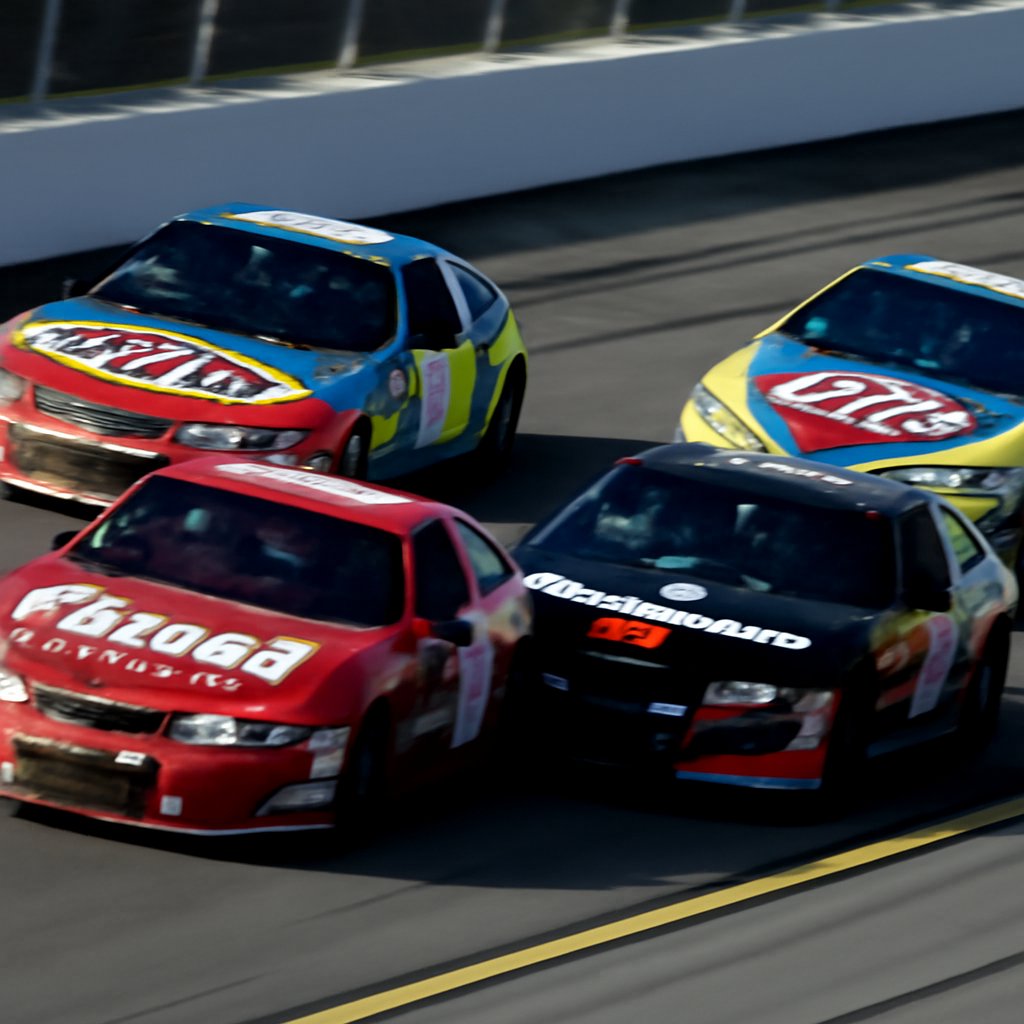
Iconic NASCAR paint schemes aren’t just about eye-catching graphics—they’re strategic assets that tie driver legacies to sponsor investments and long-term team revenue streams. From the pit lane perspective, these liveries often serve as the visual handshake between a team’s engineering priorities and the brands footing the bill for everything from wind-tunnel time to pit-road equipment.
The black No. 3 Chevrolet driven by Dale Earnhardt remains a benchmark for how a straightforward sponsor color palette can dominate an era. Goodwrench’s backing turned that menacing scheme into a merchandising powerhouse throughout the 1980s and 1990s, aligning perfectly with Earnhardt’s seven championships and 76 Cup Series victories. What teams don’t tell fans is that the simplicity of the design also minimized production costs while maximizing visibility on tight tracks like Bristol and Martinsville, where aggressive racing translated directly into sponsor ROI.
The psychology behind Earnhardt’s black No. 3 extended beyond aesthetics. The scheme became synonymous with aggressive driving and intimidation on the track—qualities that fans embraced and competitors respected. This psychological association between paint scheme and driver personality created a lasting brand identity that transcended the sport itself. Merchandise bearing the black No. 3 remained top-sellers for decades after Earnhardt’s passing, demonstrating the enduring power of a well-executed livery design.
Richard Petty’s blue No. 43 with the STP logo offers another master class in sponsor longevity. Petty Enterprises leveraged that patriotic motif across decades of superspeedway success, culminating in a record 200 wins. The scheme’s endurance helped STP embed itself in NASCAR’s cultural fabric, a lesson modern teams still study when negotiating multi-year deals that hinge on consistent visual branding. The Day-Glo red and powder blue combination became instantly recognizable, even to casual fans who knew little about racing specifics.
What made the No. 43 particularly valuable was its consistency across multiple generations of fans. Petty’s longevity in racing meant that his paint scheme spanned the sport’s evolution from regional spectacle to national phenomenon. New generations of fans grew up seeing the same iconic colors, creating a cumulative brand recognition that money simply cannot buy in modern marketing environments. This consistency became a template for how sponsors could maximize their investment through visual repetition and historical association.
Shifting to more recent decades, Jeff Gordon’s rainbow No. 24 DuPont Chevrolet demonstrated how vibrant sponsor-driven stripes could amplify both performance narratives and broadcast appeal. Used in over 150 starts en route to 93 victories and four titles, the design popped especially well at road courses like Watkins Glen. From the pit lane perspective, DuPont’s willingness to evolve the scheme seasonally kept the partnership fresh while supporting Hendrick Motorsports’ broader strategy of leveraging driver profiles for additional marketing activations.
The rainbow scheme represented a departure from traditional NASCAR aesthetics, and its success opened doors for teams to experiment with bolder, more colorful designs. Television coverage of the 1990s and 2000s enhanced the visual impact of Gordon’s vibrant livery, making it one of the most recognizable schemes in racing history. The design’s visibility during broadcasts meant that DuPont received significant exposure during prime-time races and highlight reels, justifying their sponsorship investment year after year.
Jimmie Johnson’s No. 48 Lowe’s entries followed a similar path, with patriotic red-white-and-blue variants timed to July 4th races at Daytona to maximize patriotic sponsor messaging during his seven championships. The consistency of the Lowe’s orange and blue scheme across Johnson’s dominant era helped establish visual continuity that reinforced both driver and sponsor brand identity. Johnson’s unprecedented success—five consecutive Cup Series titles from 2006 to 2010—meant that the No. 48 paint scheme became associated with winning, further amplifying its cultural significance.
Today’s examples, such as Chase Elliott’s mountain-themed No. 9 graphics at Hendrick Motorsports, illustrate how personal storytelling can deepen fan connections at venues like Atlanta and Phoenix—while quietly satisfying multiple sponsor integrations that now routinely exceed 20 elements per car. Modern paint schemes face unprecedented complexity, as teams balance primary sponsors, associate sponsors, contingency sponsors, and regional partners all competing for visibility on a single vehicle. This integration challenge has become an art form in itself, requiring designers to create cohesive visual narratives despite dozens of competing brand requirements.
The technical aspects of modern paint scheme design have evolved dramatically with advances in vinyl wrap technology. Teams can now change schemes relatively quickly between races, allowing for sponsor flexibility that was impossible in the era of hand-painted cars. This technological evolution has made paint schemes more disposable in some respects, but it has also allowed for innovative special editions and commemorative liveries that celebrate NASCAR’s rich history while honoring current partnerships.
Fan engagement with paint schemes has intensified through social media and online communities. Fans now debate scheme designs with the same passion they once reserved for technical specifications and driver rankings. Paint scheme reveals on social media platforms generate significant engagement, with teams using unveilings to build excitement before major races. This fan involvement has elevated the importance of aesthetic decisions, making paint scheme selection a critical component of team marketing strategy.
Beyond the track, these designs drive measurable business outcomes. Throwback weekends, for instance, have lifted merchandise sales by an average of 35 percent during special events, a figure that influences everything from licensing negotiations to team budget allocations. Fan polls consistently place Earnhardt and Gordon schemes among the top five all-time favorites, underscoring their role in sustaining audience engagement and attracting new viewers through detailed liveries that highlight both aerodynamics and sponsor visibility during night races or weather delays.
The financial implications of paint scheme popularity extend to secondary markets, where authentic diecast models and apparel featuring iconic schemes command premium prices. Collectors actively seek out limited-edition paint scheme variations, creating a robust aftermarket that generates revenue well beyond the initial race weekend. This collector mentality has incentivized teams to produce special editions and commemorative schemes that appeal specifically to enthusiast audiences.
Special-edition schemes at Daytona have factored into 12 of the last 20 winning drivers in the 500, reinforcing how strategic paint-scheme reveals can align with qualifying momentum and post-race marketing campaigns. The psychological element cannot be overlooked—teams and drivers believe that compelling visual presentations contribute to competitive advantage, even if the connection remains largely intangible. This belief influences millions of dollars in design and production decisions annually.
Iconic designs continue to balance historical nods with modern vinyl technology, ensuring that sponsor dynamics and team strategy remain as central to the Cup Series as the competition itself. As NASCAR evolves and welcomes new audiences through streaming platforms and digital engagement, paint schemes will continue serving as the visual language that connects fans to drivers, sponsors, and the sport’s storied past.