
Guide to Attending Your First Cup Race
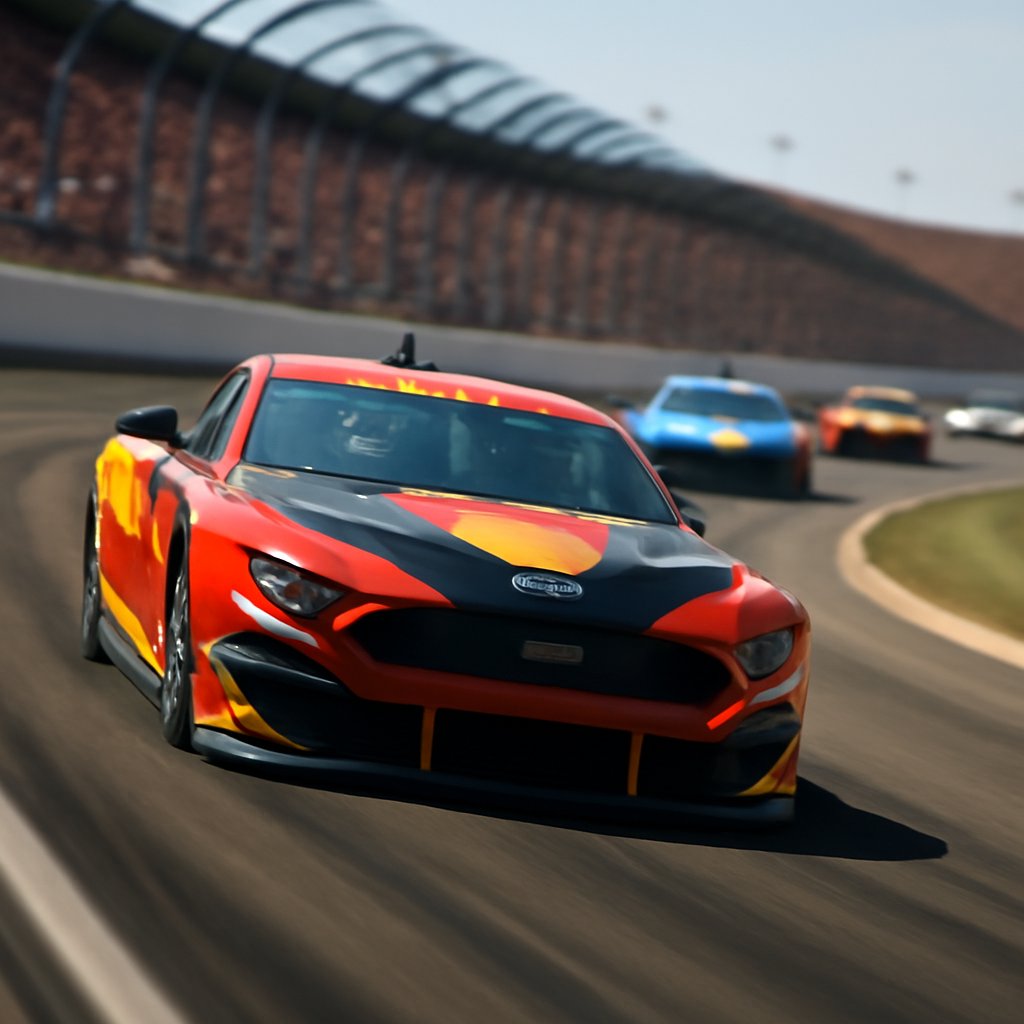
Growing up in Charlotte, NASCAR wasn’t a hobby — it was life, plain and simple. My grandfather watched this track get built back in the day, and he’d sit me down trackside at Charlotte Motor Speedway telling tales of how the sport roared to life right here in the South. Attending your first Cup race is an unforgettable experience for any NASCAR fan. The roar of the engines, the smell of burning rubber, and the thrill of seeing Cup Series drivers battle it out on the track create memories that last a lifetime. Whether you’re heading to Daytona, Talladega, or another iconic venue, proper preparation ensures you enjoy every lap of your debut NASCAR Cup Series outing.
Planning your first NASCAR Cup Series trip starts with picking the right event, and that marks the beginning of an exciting journey. Popular tracks like Charlotte Motor Speedway or Bristol Motor Speedway offer distinct atmospheres, from high-banked short tracks to superspeedways. Research the 2024 Cup Series schedule to find races that fit your budget and travel plans. Ticket options range from general admission to premium grandstand seats, with early purchase often yielding better prices and availability. Consider nearby hotels or camping options, as race weekends draw massive crowds that fill local accommodations quickly.
Beginners often benefit from attending a race at a driver-friendly venue such as Kansas Speedway or Las Vegas Motor Speedway. These facilities provide excellent sightlines and fan amenities. Factor in weather, as spring and fall races typically deliver milder conditions compared to summer heat. Review past race results to understand how track characteristics influence strategy, helping you follow the action more intelligently once the green flag drops. My grandfather always said Talladega taught you patience and nerve like nothing else.
Understanding track characteristics will significantly enhance your first race experience. Superspeedways like Daytona and Talladega feature high speeds and dramatic passing, often with multiple lead changes throughout the race. In contrast, short tracks such as Bristol Motor Speedway showcase tight racing with frequent contact and pit strategy playing a crucial role in outcomes. Intermediate tracks like Charlotte Motor Speedway balance both elements, providing accessible viewing for newcomers while maintaining competitive intensity. Each track type demands different driver skills and team strategies, so familiarizing yourself with your chosen venue’s layout beforehand will help you appreciate the nuances of the competition.
Create a detailed budget covering tickets, parking, food, and souvenirs. Many tracks offer shuttle services from remote lots to reduce walking. Book flights or drives well in advance, especially for events like the Daytona 500. Apps from NASCAR and individual tracks deliver real-time updates on traffic and gate openings, smoothing your arrival on race day.
When budgeting for your trip, remember that parking fees typically range from $15 to $50 depending on proximity to the track and venue prestige. General admission grandstand seats often start between $75 and $200, while premium seating in club areas can exceed $500 per ticket. Food and beverages at the track tend to cost more than outside establishments—budget roughly $15 to $25 per meal item. Many fans bring coolers with snacks and non-alcoholic beverages, which can significantly reduce expenses. Check individual track policies, as some allow outside food while others restrict cooler contents. Official NASCAR merchandise, from t-shirts to die-cast models, ranges from $20 to $150, and many fans allocate extra funds for souvenirs commemorating their first race.
Arrive early to soak in the pre-race festivities, including driver introductions, national anthem performances, and pace car laps. Cup Series events feature multiple support races, so plan your day around the full schedule. Locate restrooms, concession stands, and first-aid stations upon entry. Many venues now provide mobile apps with interactive maps to help first-timers find their seats and explore fan zones featuring autograph sessions or simulator experiences.
The pre-race experience often begins hours before the main event, with many fans arriving for tailgating and early gate entry. Support series races—including Craftsman Truck Series and NASCAR Xfinity Series events—provide excellent opportunities to observe younger drivers developing their Cup Series skills. These preliminary races typically last one to two hours combined, so arriving three to four hours before the Cup race start time ensures you experience the full day without feeling rushed.
A typical Cup race consists of stages that award points and set up strategic pit stops. Watch for caution flags, restarts, and fuel mileage battles that often decide outcomes. Familiarize yourself with flag signals and how the overtime rules work in close finishes. This knowledge transforms passive viewing into an engaging analysis of driver decisions throughout the event.
The NASCAR Cup Series employs a three-stage format for most races, with each stage lasting a predetermined number of laps. Stage winners receive bonus points, and the final stage determines the race victor. Caution flags freeze competition when accidents or debris appear on track, allowing crews to adjust pit strategy. During caution periods, you’ll witness the precision of pit crews—seven team members changing four tires and adding fuel in roughly 12 seconds. Understanding that drivers must balance fuel consumption, tire wear, and track position throughout 400-500 miles makes watching the race far more intellectually engaging. Pay attention to fuel mileage calculations announced during broadcasts; savvy teams sometimes pit less frequently to gain position advantages late in races.
Pack ear protection, sunscreen, comfortable shoes, and a clear bag for security screening. Binoculars enhance views of pit road action, while portable chargers keep your phone ready for photos and live scoring. Respect fellow fans by keeping noise reasonable during quiet moments and following track rules on coolers and prohibited items. Hydration stations and shaded areas help combat fatigue during long events.
Earplugs or earmuffs become essential at tracks with consistently loud noise levels—Cup cars produce approximately 115 decibels, comparable to standing near a jet engine. Sunscreen protection is critical, as many grandstands offer limited shade coverage. Wear broken-in shoes with good arch support, as you’ll likely walk substantial distances navigating the facility. Most tracks prohibit glass containers, weapons, and video recording equipment, though policies vary. Check your specific venue’s prohibited items list before packing. A clear bag (typically 12″ x 6″ x 12″ or smaller) passes through security screening faster than regular bags.
Stay for victory lane celebrations when possible. Many tracks host post-race concerts or driver meet-and-greets. Grab official merchandise featuring your favorite Cup Series drivers to commemorate the day. These items serve as lasting reminders of your inaugural race experience.
The NASCAR Cup Series features 36 points-paying races each season across 24 different tracks. Average attendance at major events like the Daytona 500 exceeds 100,000 fans. Tracks such as Talladega Superspeedway have hosted races drawing over 200,000 spectators in peak years. Each Cup race typically lasts three to four hours, including stages and cautions. Over 1.5 million fans attend Cup Series events annually across the United States. Modern tracks offer more than 50 concession options, from classic hot dogs to regional specialties.
Victory lane celebrations showcase the winning driver, crew chief, and team owners celebrating atop the winning car. These moments capture the culmination of weeks of preparation and hundreds of thousands of dollars in investment by the racing team. Staying in your seat through this celebration allows you to witness genuine emotion and sportsmanship from competitors. Additionally, many Cup races now feature entertainment partnerships that bring post-race concerts or athlete appearances to the infield, extending your entertainment experience beyond the checkered flag.
Attending your first Cup race opens the door to the passionate world of NASCAR. With thoughtful planning, the right gear, and an open mind, you will create lasting memories while gaining deeper appreciation for the skill and strategy on display. Start preparing today for an unforgettable weekend at the track that could turn you into a lifelong Cup Series enthusiast.