
How Technology Transforms Modern NASCAR Racing
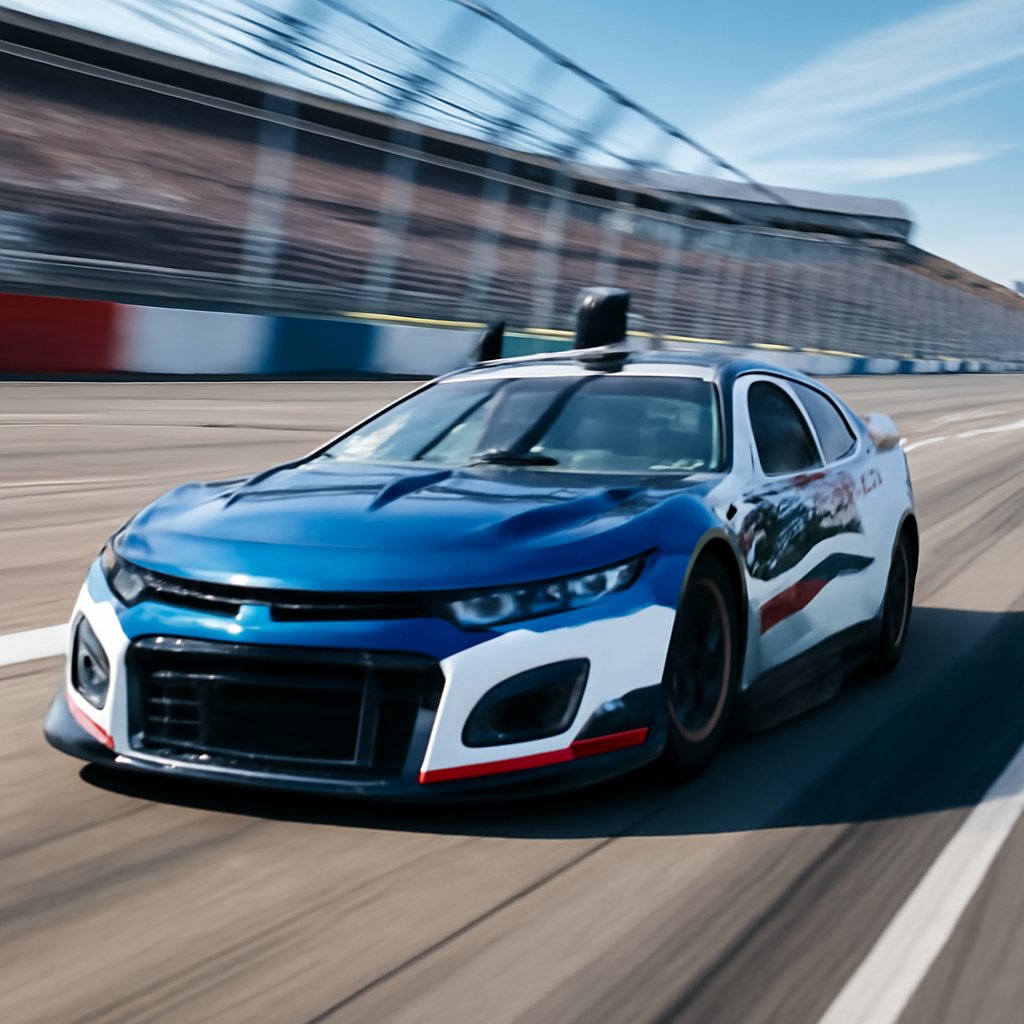
Growing up in Charlotte, NASCAR wasn’t a hobby — it was life, and technology has turned what used to be pure seat-of-the-pants racing into a precision game that still delivers that heart-pounding action we all crave at places like Daytona and Talladega. My grandfather watched this sport evolve from dirt tracks to the high-tech spectacle it is today, and he’d be proud to see how teams now chase every last ounce of speed with tools that were pure science fiction just ten years ago.
Telemetry systems are the backbone of it all in today’s Cup Series. Hundreds of data points stream from each car through practice, qualifying, and the race itself, tracking everything from engine temps to tire pressures and suspension moves straight to the engineers on the pit box. That real-time flow lets crews make adjustments on the fly that separate winners from the pack, especially when the draft gets wild on those big superspeedways.
Wireless transmission takes it further, pushing info at speeds over 100 times per second. Drivers like Kyle Larson get live updates on fuel and handling, cutting out the old guesswork so they can stay aggressive when track conditions shift. My daddy always said the best racers read the car like a book, but now that book updates itself every fraction of a second. The sophistication goes beyond simple numbers — engineers can now analyze how tire compounds behave under different fuel loads, track temperatures, and humidity levels, creating a comprehensive picture that guides everything from pit stop timing to when a driver should attack versus defend.
The Next Gen car changed everything with aerodynamics. Engineers run computational fluid dynamics simulations before any metal gets touched, pairing wind tunnel work with digital models to create cars that slip through the air cleaner while keeping the close racing fans love at Daytona and Talladega. Teams tweak splitters, wings, and skirts down to the inch for each track, and those refinements have dropped drag coefficients by about 15 percent since 2019. The result? Smaller gaps after 500 miles and more door-to-door battles. These aerodynamic improvements haven’t just made the racing tighter — they’ve fundamentally changed how drivers approach strategy. With less downforce and more balance in the cars, fuel mileage becomes even more critical, and teams must predict cautions and pit windows with laser precision.
High-fidelity simulators have become as vital as the hauler itself. Cup drivers log 15-20 hours a week in virtual setups that copy every bump, weather change, and tire wear pattern, saving real equipment while sharpening skills. Virtual reality modules help them nail braking zones at new circuits, so younger talents step in already dialed in. Virtual testing has already cut physical wind tunnel hours by 40 percent across the garage. The immersive nature of modern simulators means drivers can practice race scenarios that are nearly impossible to replicate on real tracks — like managing fuel on the final laps or executing pit stops under pressure. Some teams even use AI-assisted coaching within the simulator environment, which analyzes a driver’s inputs and suggests micro-adjustments that could gain tenths of a second per lap.
Safety has leaped ahead too. The SAFER barriers and in-car sensors catch impacts in milliseconds, triggering quick responses, while carbon-fiber builds and energy-absorbing seats soak up the hits. Biometric monitors track heart rates and hydration for the medical crews. Impact sensors now record forces over 100 g’s in just 0.01 seconds, protecting drivers without dulling the speed that makes Talladega special. Next Gen cars push over 1,000 data channels per lap versus the old 200. The black box technology embedded in modern NASCAR vehicles records every component’s performance leading up to and during a crash, allowing engineers and safety officials to understand exactly what happened and refine protection systems accordingly.
Communication technology between the driver and pit crew has revolutionized strategy calls during races. Two-way radios with noise-canceling technology and encrypted signals allow for crystal-clear conversations even in the roar of 160,000 fans. Pit crews receive telemetry feeds on individual screens, so every member — from the jackman to the tire carriers — knows the car’s exact condition before it rolls in. This coordinated knowledge base means pit stops are choreographed down to fractions of a second, with crews knowing tire temperatures, brake wear, and fuel consumption before the driver even arrives at their box.
Big data analytics now call the shots on pit strategy, tire choices, and fuel mileage. Machine learning models crunch historical results with live telemetry to pick the perfect stop windows, and teams using these tools gain nearly two spots in average finish per race. Wireless latency sits under 50 milliseconds, turning data into instant decisions. Advanced algorithms can predict which drivers are likely to get the yellow flag to their advantage, helping crews decide whether to pit early or stretch fuel. Teams are also using predictive modeling to forecast tire degradation patterns across different fuel loads, a capability that’s given the most technologically advanced organizations a measurable edge in close finishes.
Engine performance monitoring has become incredibly sophisticated as well. Modern NASCAR engines produce over 750 horsepower while running on unleaded fuel, a feat made possible by real-time combustion monitoring and electronic fuel injection systems that adjust thousands of times per second. Engineers can monitor cylinder pressure, knock activity, and exhaust gas temperatures individually, allowing them to optimize performance within the strict technical regulations. This granular data helps teams identify when an engine is beginning to lose power, enabling them to manage durability across a full race distance or make strategic calls about going for broke in the final laps.
Suspension technology continues to evolve, with teams using sophisticated load cells and accelerometers to measure exactly how the car behaves through each corner. This data feeds back into engineering meetings, where teams redesign components for the next event. The interplay between aerodynamics, suspension geometry, and tire compound selection has become so complex that it requires dedicated engineers working solely on optimization — a role that barely existed fifteen years ago.
The pit crew itself has become a high-tech operation beyond just the mechanics. Teams now use motion-capture technology to analyze pit stop performance in slow motion, identifying opportunities to shave hundredths of a second off their routine. Faster pit stops translate directly to better track position, and teams that can consistently execute stops in under 13 seconds hold a significant advantage over the season.
Technology keeps redefining what’s possible in NASCAR, from those telemetry streams and aerodynamic modeling to simulators and predictive analytics. Cup teams that lean into it grab real edges, and drivers get safer, smarter rides. As innovation races on, the future looks like even tighter fights and deeper strategy on every track from Charlotte to the beaches of Daytona. The teams that master these technologies won’t just win races — they’ll fundamentally change how we understand competitive advantage in motorsports.